Why choose Defining Dyslexia?
Assessment that understands the whole person
A diagnostic assessment should provide more than a label or a collection of scores. It should help you understand how you or your child learns, recognise genuine strengths and difficulties, and leave you knowing what to do next.
At Defining Dyslexia, every assessment is carried out personally by Mark. The process is calm, collaborative and tailored to the individual from the first conversation through to the support provided after the report.
Our approach
A neuroaffirming approach
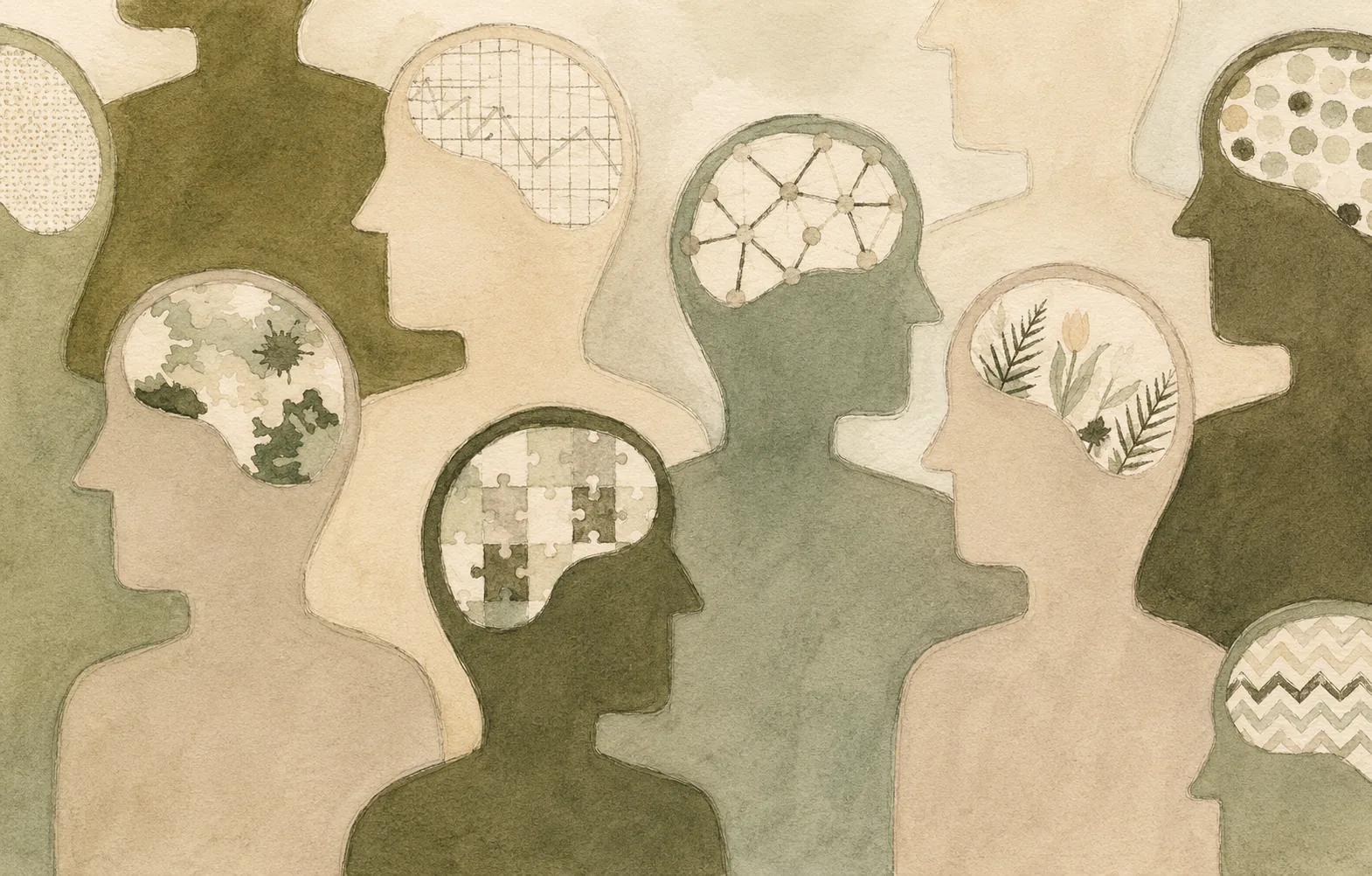
Neuroaffirming practice recognises neurological differences as part of human variation. It does not ignore difficulties or the support someone may need. Instead, it explores strengths and challenges together, without treating the person as a problem to be fixed.
Difference, not deficit
Dyslexia is explored as an individual pattern of strengths and difficulties. Assessment findings are explained respectfully and without judgement.
The person's experience matters
Standardised results are considered alongside developmental history, educational experiences and the person's own account of everyday difficulties.
Success does not invalidate difficulty
Strong attainment can sometimes conceal the effort, additional time and compensatory strategies needed to achieve it. These factors are considered carefully.
Comfort supports accurate assessment
Instructions are explained clearly. The pace can be adjusted and appropriate breaks can be taken. Sensory, communication and accessibility needs are discussed in advance.
Individual understanding
No two dyslexic people have exactly the same profile. Conclusions and recommendations are based on the individual rather than assumptions about what dyslexia should look like.
Before, during and after
What you can expect
Families and adults often come to an assessment with understandable worries, shaped by past experiences of reports, appointments or school meetings. These pairings set out common concerns against how Defining Dyslexia works.
You may be concerned about
What you can expect from Defining Dyslexia
You may be concerned aboutReceiving a report filled with unfamiliar scores
What you can expect from Defining DyslexiaClear explanations connecting assessment results with everyday learning experiences.
You may be concerned aboutDifficulties being dismissed because attainment appears secure
What you can expect from Defining DyslexiaCareful consideration of compensatory strategies, the effort required and any difference between ability and efficiency.
You may be concerned aboutA rigid or pressurised assessment session
What you can expect from Defining DyslexiaClear instructions, reasonable adjustments, flexible pacing where permitted and breaks when needed.
You may be concerned aboutBeing left alone once the report arrives
What you can expect from Defining DyslexiaReasonable post-diagnostic guidance and clarification included as part of the service.
You may be concerned aboutReceiving generic recommendations
What you can expect from Defining DyslexiaRecommendations matched to the individual, their setting and the difficulties identified.
You may be concerned aboutUnexpected charges or unclear costs
What you can expect from Defining DyslexiaCosts and any additional charges explained and agreed before the assessment is confirmed.
How we work
Professional expertise with practical understanding
Continuity throughout
The person who responds to your enquiry is the person who carries out the assessment, writes the report and provides follow-up guidance.
Teacher and former SENCo experience
Mark understands assessment evidence and how recommendations need to work within real classrooms, colleges, universities and workplaces.
Clear and usable reports
Reports contain the technical evidence institutions may require, alongside accessible explanations and practical recommendations.
Honest professional guidance
If an assessment does not appear appropriate or may not be necessary, Mark will explain this before you commit.
Support beyond diagnosis
The report is not treated as the end of the process. Clients can ask questions and receive guidance about appropriate next steps.
Independent and personal
Each assessment is completed independently and individually. The focus remains on the person rather than an institutional target or standard package.
Professional standards
Expertise you can trust
- Qualified teacher (PGCE, Secondary)
- Former SENCo and Designated Safeguarding Lead
- National Award for SEN Co-ordination (NASENCo)
- PgDip Specific Learning Difficulties and Inclusion
- CPT3A, psychometric testing, assessment and access arrangements
- Current Assessment Practising Certificate (APC)
- PATOSS member; reports written in line with current SASC guidance
Professional recognition


Assessments are completed in line with current professional standards. Mark holds enhanced DBS clearance, professional indemnity insurance and is registered with the Information Commissioner's Office.
Full background and qualificationsAfter the report
Understanding should lead to action
A diagnosis can provide an important explanation, but its value lies in what happens next. Defining Dyslexia helps clients understand the findings, communicate their needs and identify appropriate support across education, employment and everyday life.
Post-diagnostic support“Although my child did not get an SpLD diagnosis, Mark's analysis supported Oscar to grow in confidence and independence. The support for school and us as parents was exceptional.”

Ready to talk it through?
If you are unsure whether an assessment is appropriate, start with a no-obligation conversation. Mark will listen to your concerns and explain the available options honestly.