A Note from the Author
I have sat across many tables.
By Mark, specialist dyslexia assessor
I have sat across many tables.
Sometimes the parent arrives apologising before they've even sat down. They have a list (sometimes written, sometimes just carried) of things they've noticed, things that don't add up, things that have been quietly worrying them for longer than they'd like to admit. And then they say, almost always, some version of the same thing: _but school says he's doing fine._
I have also spoken to teachers who are exhausted and conscientious and genuinely trying, who have followed every process correctly and still missed something important. Not because they didn't care. But because the tools they were given weren't designed to see it.
I wrote these stories because I wanted to close that gap.... not with a manual or a framework, but with something that felt true. Miss Calloway is not a composite villain. Laura is not a hysterical parent. Daniel is not a case study. They are, in different ways, people I recognise from fifteen years of working in and around schools, assessment rooms, and kitchen table conversations that ran well past the point anyone had planned for.
Dyslexia is still widely misunderstood. It hides behind adequate scores and managed behaviour, and children who have become very good at not being a problem. It sits in the gap between what a child produces and what they are actually capable of, and that gap can go unexamined for years, quietly shaping how a child understands themselves.
A good assessment doesn't just identify a difficulty. It reframes a story. It takes everything a parent has been carrying, gives it a name and a context, and, crucially, a way forward. It tells a child that the struggle was never about intelligence or effort or character. It was about a difference that nobody had looked at closely enough.
If you are a parent who recognised Laura's notepad, trust what you know. If you are a teacher who recognised Miss Calloway's drawer, the fact that you're reading this suggests it's already open.
And if you'd like to talk about what the next step might look like, I'd be glad to hear from you.
_Mark Wilson_ _Specialist Teacher and Dyslexia Assessor_ _Defining Dyslexia_ _definingdyslexia.org_
About Defining Dyslexia and the author
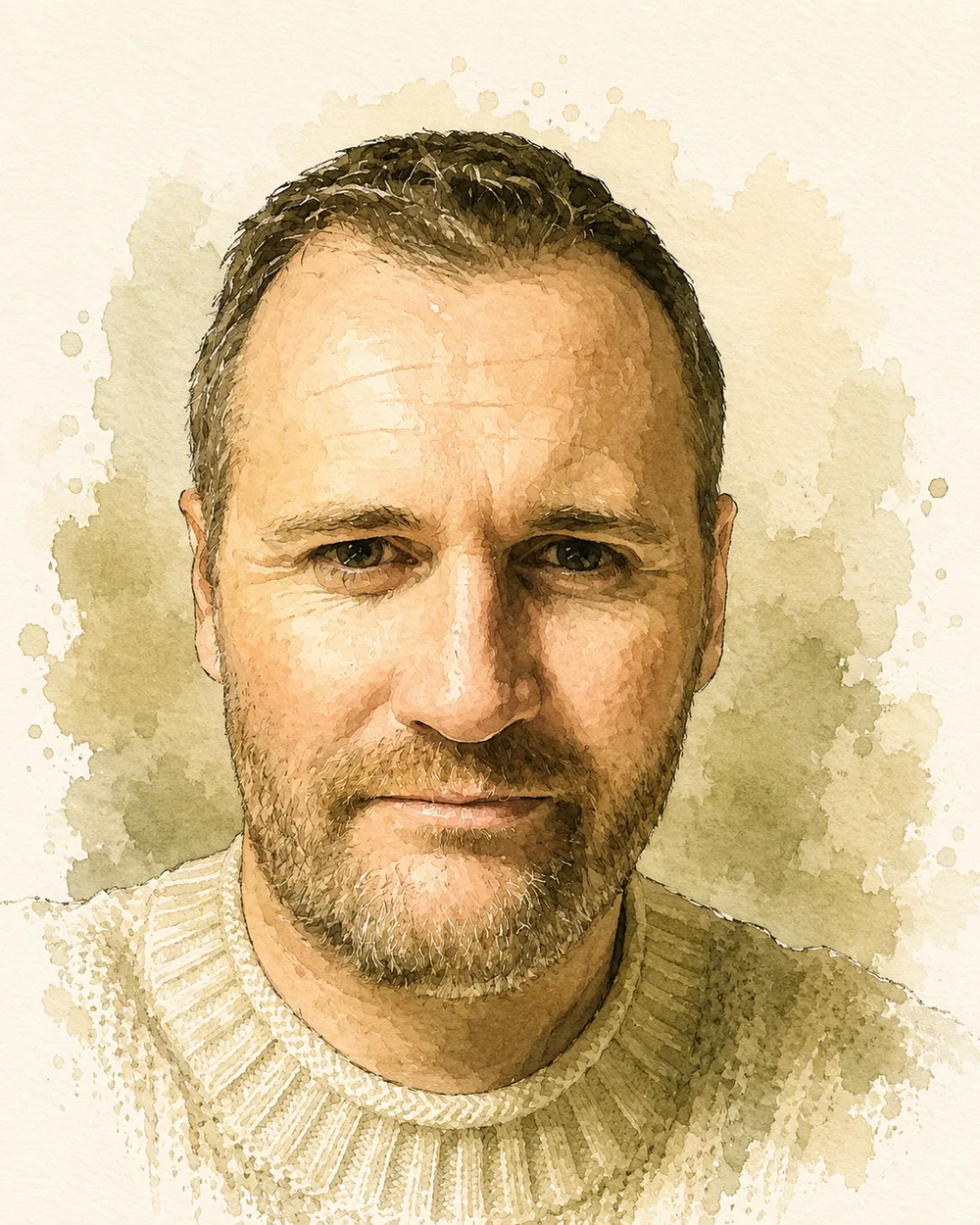
About the author
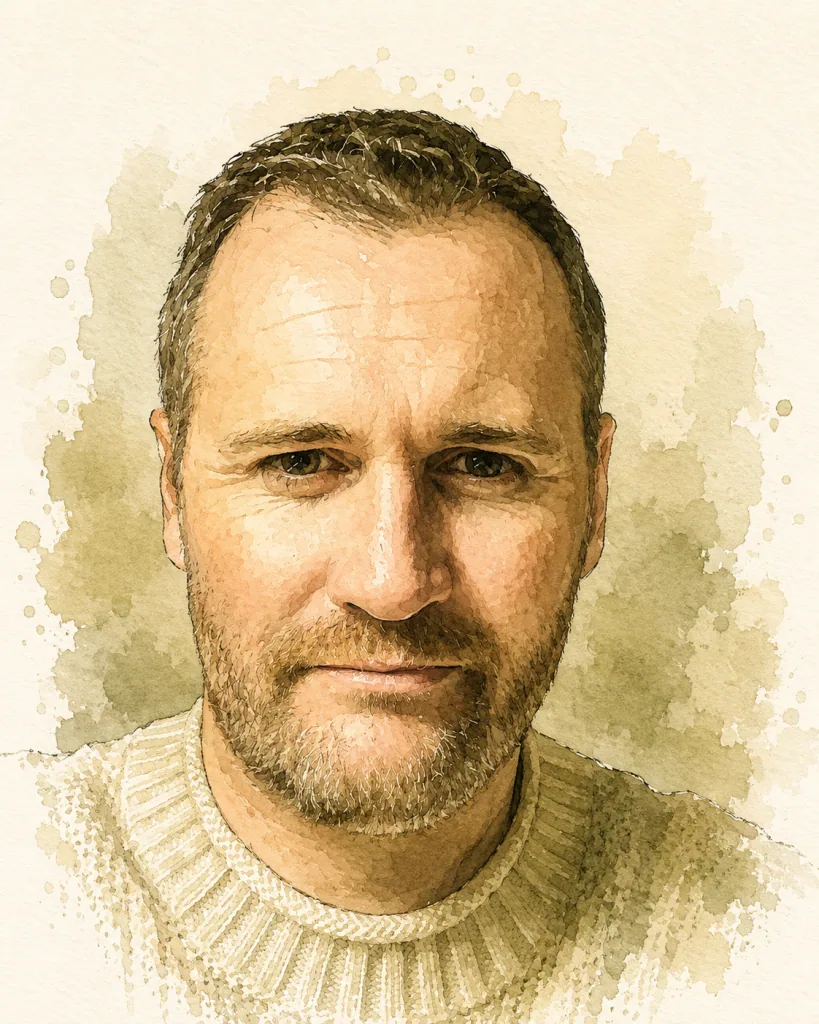
Mark
Specialist dyslexia assessor and founder of Defining Dyslexia
Mark is a qualified teacher and specialist assessor who has worked across mainstream and SEND education, including as a SENCo. He holds an Assessment Practising Certificate and is a member of PATOSS, and he carries out every Defining Dyslexia assessment personally, from the first conversation through to talking the report through with you.
- PATOSS member
- Assessment Practising Certificate
- PGCE
- NASENCo
- CPT3A
- PgDip SpLD
About Defining Dyslexia
Diagnostic dyslexia assessments for children, adults and students
Defining Dyslexia provides full diagnostic SpLD assessments for children, adults and university and college students. Face-to-face assessments are available in Sheffield and South Yorkshire, Peterborough and Cambridgeshire, and Stamford and Rutland, with remote assessments available UK-wide. Every assessment includes time to talk through the findings together, so you leave with a clear understanding of the results rather than a document to decipher alone.
If you have questions, or you are wondering whether an assessment might be the right next step, a free 15-minute telephone call is available with no obligation.