Can a Dyslexia Assessment Be Done Remotely?
Remote assessment has become an increasingly common question, and for good reason. For many families and adults, the ability to access a qualified dyslexia assessor without travelling…
By Mark, specialist dyslexia assessor
Remote assessment has become an increasingly common question, and for good reason. For many families and adults, the ability to access a qualified dyslexia assessor without travelling to an appointment is genuinely significant.
The straightforward answer is yes, a dyslexia assessment can absolutely be carried out remotely. Additionally, the resulting report carries exactly the same weight as one produced from an in-person session.
How Does a Remote Dyslexia Assessment Work?
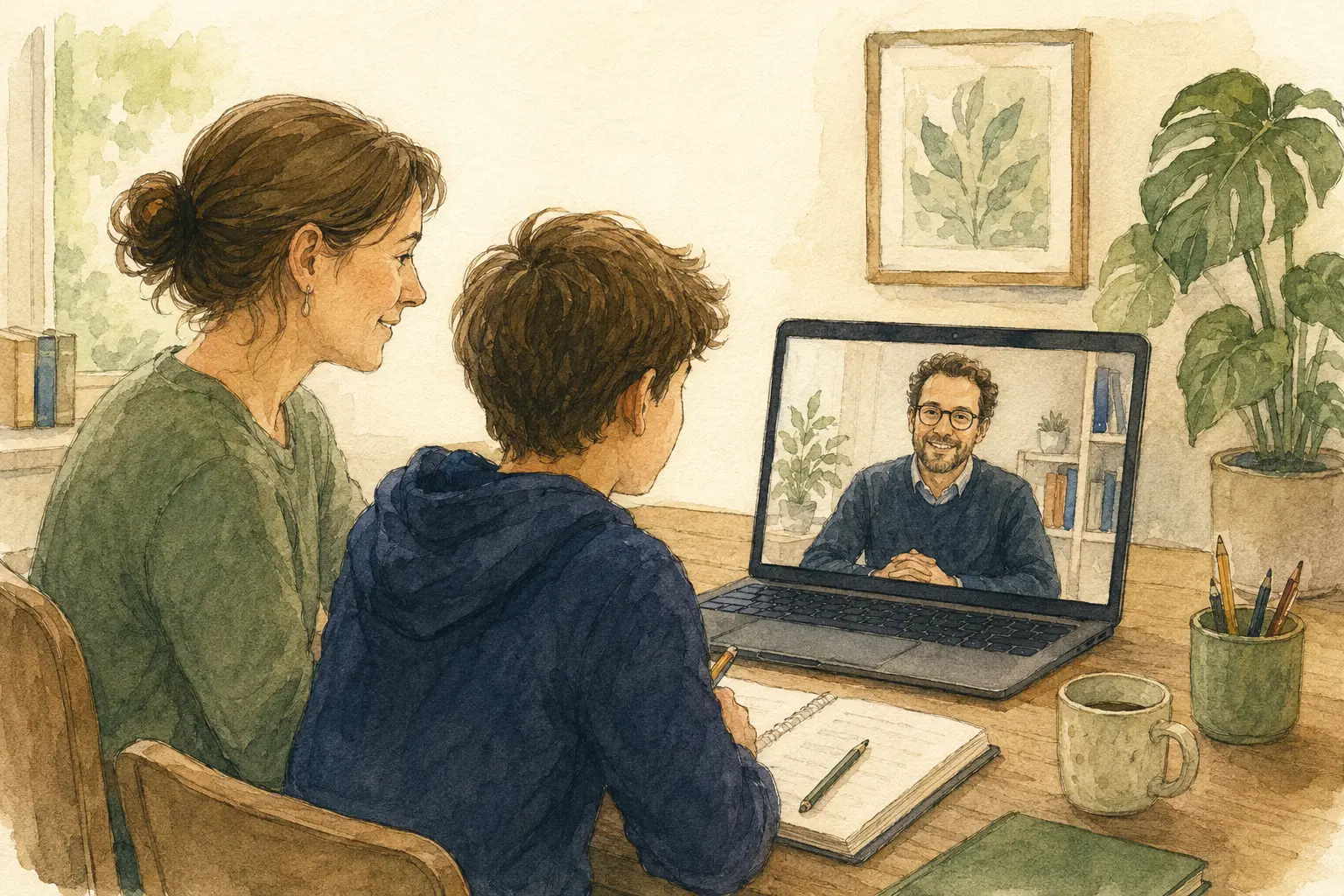
A remote dyslexia assessment takes place via video call, using screen-sharing and digital test materials. The assessor and the child or adult work through the same range of tasks as they would in a face-to-face session (reading, spelling, phonological processing, working memory, and processing speed) with the assessor guiding the session in real time.
The technology involved is straightforward. You will need a reliable internet connection, a device with a camera and microphone, and a quiet space where the session can take place without interruption. The assessor will explain exactly what is needed before the appointment, so nothing comes as a surprise on the day.
Is a Remote Assessment as Reliable as an In-Person One?
Yes. Remote dyslexia assessment is a well-established and widely accepted practice. The digital test materials used are equivalent to those used in person, and the assessment process itself is the same. Additionally, reports produced from remote assessments are accepted by schools, universities, exam boards, and employers in exactly the same way as those produced from in-person sessions.
For some children and adults, a remote assessment can actually be more comfortable, taking place in a familiar environment, without the added stress of travelling somewhere new. This can result in a more settled, natural performance on the day.
Who Is Remote Assessment Particularly Well Suited To?
Remote assessment is a good option for a wide range of people.
It works well for families where travel to an assessor's location is difficult, whether due to distance, caring responsibilities, or transport. Additionally, it is particularly useful where a suitable local assessor is not available, opening up access to qualified specialists regardless of geography.
For adults balancing work and family commitments, the flexibility of a remote appointment can make the whole process considerably more accessible. There is no travel time, no need to take a full day off work, and greater flexibility around appointment times.
Additionally, for children who find new environments unsettling, the familiarity of home can make a meaningful difference to how they engage on the day.
Are There Any Situations Where In-Person Assessment Is Better?
For most dyslexia assessments, remote delivery works well. However, there are some situations where in-person assessment may be preferable, for example, where a child has significant behavioural or attention difficulties that make a screen-based session harder to manage, or where sensory or environmental factors are part of the picture.
If you are unsure which format would work best for your child or your own situation, it is worth raising this with the assessor before booking. A good assessor will give you an honest view based on the specific circumstances.
What Do I Need for a Remote Assessment?
The practical requirements are straightforward.
A reliable internet connection is the most important factor. A device with a working camera and microphone, a laptop or desktop is generally preferable to a tablet or phone for screen-sharing tasks. A quiet room where the session will not be interrupted. And, for children, a comfortable chair at a table or desk where they can work naturally.
The assessor will confirm all of this with you before the appointment and will take time to make sure everything is working before the session begins.
A Final Word
Remote dyslexia assessment has removed one of the most significant practical barriers to accessing a qualified specialist, geography. Whether you are in Sheffield, Peterborough, or anywhere else in the country, a thorough, widely accepted dyslexia assessment is accessible without leaving home.
Additionally, for many families and adults, the flexibility and accessibility of remote assessment has made the decision to proceed considerably easier. If location or travel has been putting you off, it no longer needs to.
At Defining Dyslexia, remote assessments are available nationwide alongside face-to-face appointments across Sheffield and South Yorkshire and across Peterborough and Cambridgeshire. Both routes produce the same thorough, detailed report, accepted across education, university, and employment.
If any of this sounds familiar, it's worth getting in touch. Sometimes the most important thing is simply having someone take the whole picture seriously.
About Defining Dyslexia and the author
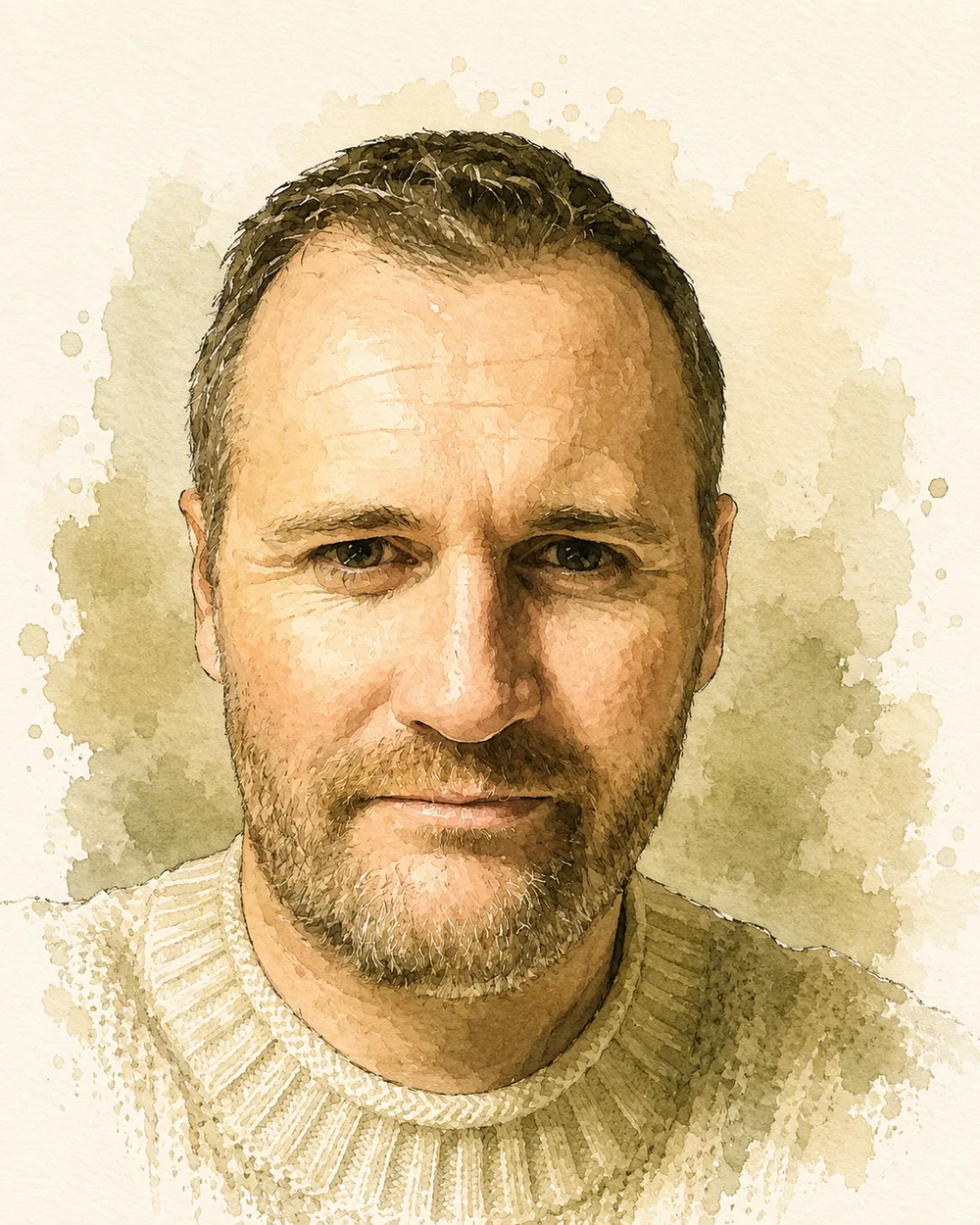
About the author
Mark
Specialist dyslexia assessor and founder of Defining Dyslexia
Mark is a qualified teacher and specialist assessor who has worked across mainstream and SEND education, including as a SENCo. He holds an Assessment Practising Certificate and is a member of PATOSS, and he carries out every Defining Dyslexia assessment personally, from the first conversation through to talking the report through with you.
- PATOSS member
- Assessment Practising Certificate
- PGCE
- NASENCo
- CPT3A
- PgDip SpLD
About Defining Dyslexia
Diagnostic dyslexia assessments for children, adults and students
Defining Dyslexia provides full diagnostic SpLD assessments for children, adults and university and college students. Face-to-face assessments are available in Sheffield and South Yorkshire, Peterborough and Cambridgeshire, and Stamford and Rutland, with remote assessments available UK-wide. Every assessment includes time to talk through the findings together, so you leave with a clear understanding of the results rather than a document to decipher alone.
If you have questions, or you are wondering whether an assessment might be the right next step, a free 15-minute telephone call is available with no obligation.