Can Dyslexia Be Mild?
It is a question that comes up often, particularly from parents whose child is managing in school but clearly finding things harder than they should. Can dyslexia be mild? And if it can,…
By Mark, specialist dyslexia assessor

It is a question that comes up often, particularly from parents whose child is managing in school but clearly finding things harder than they should. Can dyslexia be mild? And if it can, does it still need to be assessed? The answer to both questions is yes, and the reasons matter.
Dyslexia exists on a spectrum
Dyslexia is not a single fixed condition that a person either has or does not have. It exists along a continuum, from mild difficulties that a child compensates for largely on their own, through to significant difficulties that affect almost every area of learning. Where someone sits on that continuum can also shift across different contexts, becoming more visible during periods of greater academic demand.
This means that mild dyslexia is a real and recognised presentation, not a borderline case or a grey area. It simply describes a profile where the difficulties are present but less pronounced than in a more significant presentation.
What mild dyslexia can look like?
Children with mild dyslexia often manage reasonably well in primary school, particularly if they are bright and have good verbal skills to draw on. They may read slowly but accurately, spell inconsistently, struggle more with writing than with other subjects, or find that homework takes significantly longer than it does for their peers.
Because they are coping, they are often not flagged as a concern by their school. Parents, however, frequently notice that something is not quite right, even when they find it difficult to put their finger on exactly what. That instinct is usually worth following up.
The hidden cost of compensating
One of the defining features of mild dyslexia is the amount of effort a child puts into keeping up. Compensation is not free. A child who is working twice as hard as their classmates to produce the same output is carrying a hidden load, and that load tends to grow as academic demands increase.
Many children with unidentified mild dyslexia manage through primary school and then find secondary school significantly harder. The volume of reading, the complexity of writing tasks, and the pace of independent working all increase at once. What was manageable becomes overwhelming, often quite suddenly.
Additionally, the emotional cost of sustained effort without understanding can be considerable. Children who struggle quietly over a long period often internalise the experience as a reflection of their own ability rather than a difference in how their brain processes language.
Why assessment is still worth considering
A formal assessment does not only identify whether dyslexia is present. It maps the full cognitive profile, showing where a child's strengths and difficulties lie and how they interact. For a child with mild dyslexia, this can be genuinely clarifying, both for the child themselves and for the adults around them.
It also opens the door to practical support that would otherwise not be available. Exam access arrangements, classroom adjustments, and targeted literacy intervention all require evidence. A formal report provides that evidence, regardless of where on the spectrum a child sits.
What assessment can rule out
Not every child who is finding reading or spelling harder than expected has dyslexia. Assessment can also identify whether other factors might be involved, such as gaps in early phonics teaching, processing differences linked to ADHD, or anxiety that is affecting concentration and performance. Knowing the actual cause matters, because different causes lead to different kinds of support.
A final word
If your instinct is telling you something is not quite right, even though your child appears to be coping, that instinct is usually worth following. Mild does not mean unimportant, and a clearer picture is always better than uncertainty. Get in touch and we can talk through whether an assessment makes sense for your child right now.
About Defining Dyslexia and the author
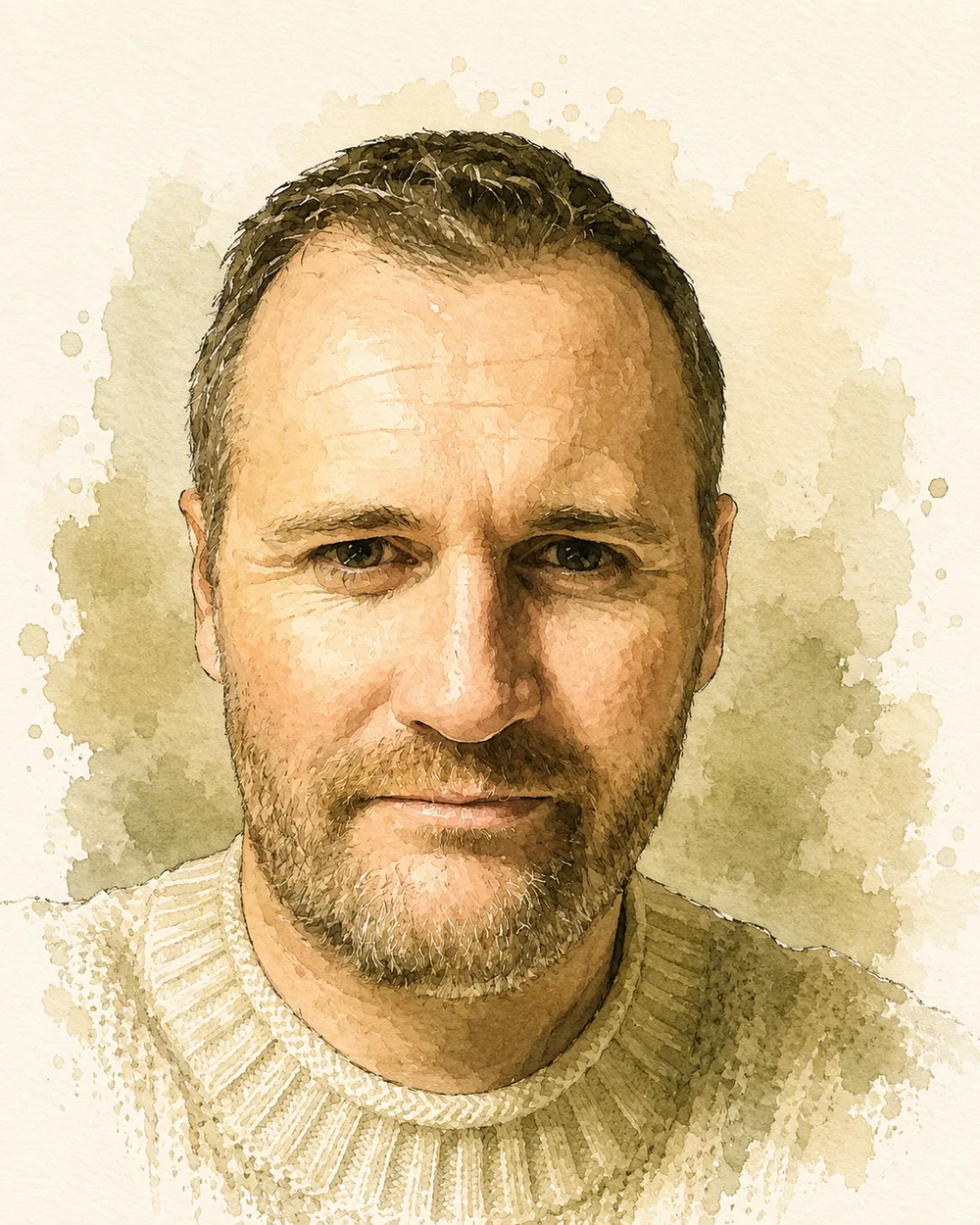
About the author
Mark
Specialist dyslexia assessor and founder of Defining Dyslexia
Mark is a qualified teacher and specialist assessor who has worked across mainstream and SEND education, including as a SENCo. He holds an Assessment Practising Certificate and is a member of PATOSS, and he carries out every Defining Dyslexia assessment personally, from the first conversation through to talking the report through with you.
- PATOSS member
- Assessment Practising Certificate
- PGCE
- NASENCo
- CPT3A
- PgDip SpLD
About Defining Dyslexia
Diagnostic dyslexia assessments for children, adults and students
Defining Dyslexia provides full diagnostic SpLD assessments for children, adults and university and college students. Face-to-face assessments are available in Sheffield and South Yorkshire, Peterborough and Cambridgeshire, and Stamford and Rutland, with remote assessments available UK-wide. Every assessment includes time to talk through the findings together, so you leave with a clear understanding of the results rather than a document to decipher alone.
If you have questions, or you are wondering whether an assessment might be the right next step, a free 15-minute telephone call is available with no obligation.