
Can I Get a Dyslexia Assessment Through the Right to Choose?
Right to Choose is an NHS pathway in England, most often discussed for ADHD and autism assessment. A diagnostic dyslexia assessment is an educational assessment, so it usually sits outside that route. Here is what that means in practice.
By Mark, specialist dyslexia assessor

If you have heard about NHS Right to Choose and wondered whether it could lead to a dyslexia assessment, that is a very reasonable question to ask. Right to Choose is talked about a great deal, and it is not always clear which assessments it covers. This guide explains what the pathway is, why a diagnostic dyslexia assessment usually sits outside it, and what the realistic options are.
What Right to Choose actually is
Right to Choose gives patients in England a legal right to choose their provider for certain qualifying NHS-commissioned services when they are referred by their GP. It applies to services the NHS commissions, and the provider must hold a qualifying NHS contract. It is not a general entitlement to any assessment a person would like.
Different arrangements apply in Scotland, Wales and Northern Ireland, so it is worth asking your GP what exists locally.
Why it is usually discussed for ADHD and autism
Right to Choose is most commonly discussed in connection with clinical pathways such as ADHD and autism assessment, because those are health services the NHS commissions. If ADHD or autism is part of the picture for you or your child, it is worth raising Right to Choose with your GP.
Where a dyslexia assessment sits
A diagnostic dyslexia assessment is an educational assessment rather than a medical one. It is usually completed by a specialist teacher assessor holding a current Assessment Practising Certificate, or by an educational psychologist. Because it is not generally an NHS-commissioned clinical service, it does not normally fall within Right to Choose, and a GP cannot usually refer for one.
A GP can still be helpful in ruling out other factors, such as hearing or vision difficulties, that may be affecting reading and writing. The NHS also publishes general guidance on dyslexia in children, which many parents find a useful starting point: NHS guidance on dyslexia in children.
How most people arrange an assessment
In practice, most people arrange and pay for a diagnostic dyslexia assessment privately. No GP referral is needed, and you can approach a suitably qualified assessor directly.
When someone else may fund an assessment
Some schools, universities, employers or training organisations may fund an assessment, or contribute towards the cost. This depends entirely on their individual policies and budgets, and it varies a great deal from one setting to another.
If you think funding might be available, it is worth checking with the relevant school, university, employer or commissioning body before assuming anything. Ask what they will fund, what evidence they expect and whether they require a particular type of assessor.
What a report can and cannot guarantee
Whichever route an assessment comes through, no report is automatically accepted everywhere. Decisions about Disabled Students' Allowance, exam access arrangements, school support, professional examinations and workplace adjustments are made by the relevant body under its own rules, and often take account of a person's normal way of working and other supporting evidence.
A clear, well-evidenced report gives those decision makers what they need to consider a request properly. That is what it is for, and it is worth checking the specific requirements of whoever will receive it.
How Defining Dyslexia fits in
Defining Dyslexia is a private assessment service and does not provide NHS Right to Choose assessments. Assessments are carried out by a specialist assessor who is registered with PATOSS and holds a current Assessment Practising Certificate, and every report includes time to talk the findings through together. You can read more about choosing a dyslexia assessor before you commit to anything.
A final word
Asking about Right to Choose is a sensible question, not a mistake. It is a genuinely useful pathway for some assessments, and knowing where it applies saves time and disappointment. If you are unsure which route fits your situation, a short conversation is often enough to make the next step clear.
About Defining Dyslexia and the author
About the author
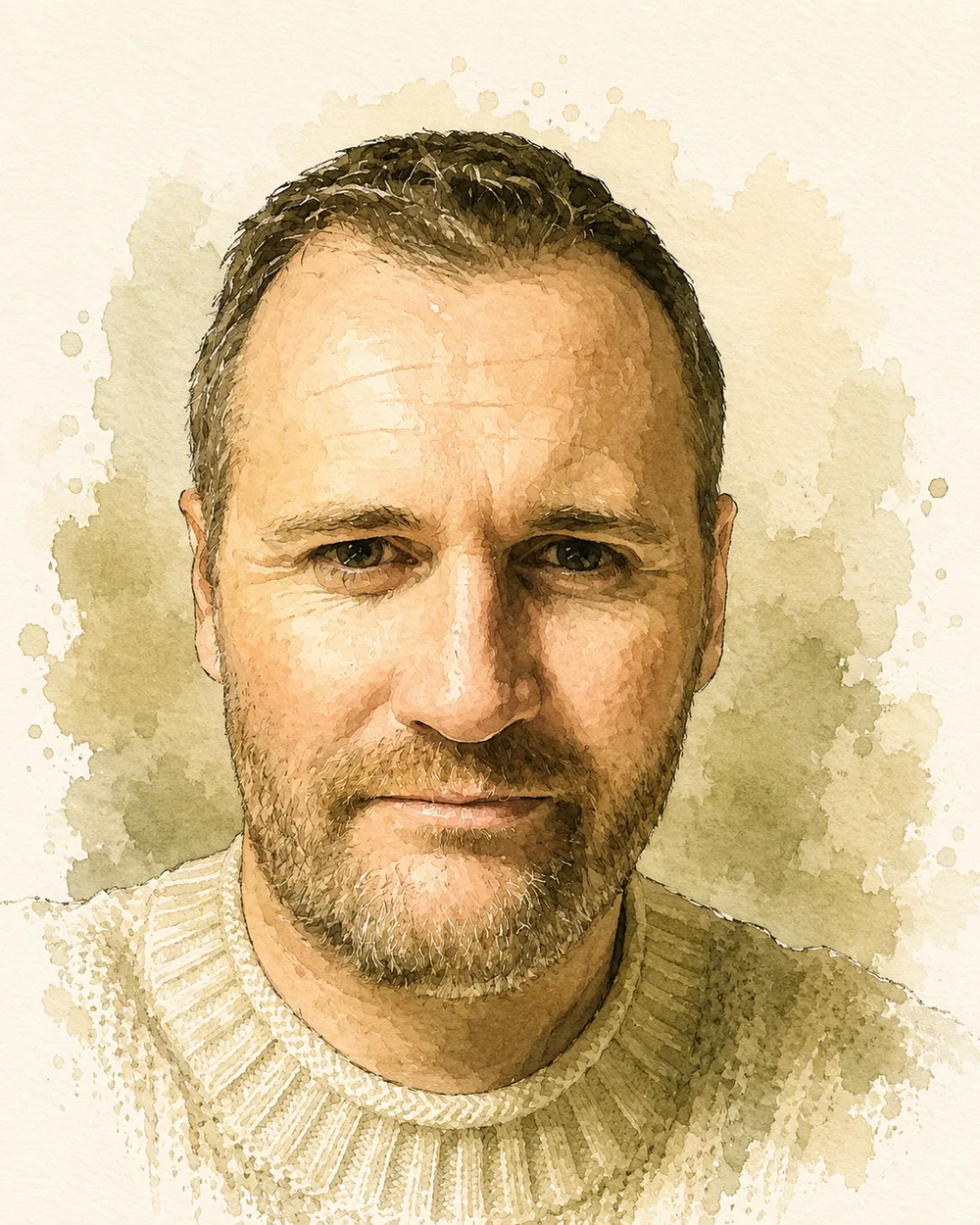
Mark
Specialist dyslexia assessor and founder of Defining Dyslexia
Mark is a qualified teacher and specialist assessor who has worked across mainstream and SEND education, including as a SENCo. He holds an Assessment Practising Certificate and is a member of PATOSS, and he carries out every Defining Dyslexia assessment personally, from the first conversation through to talking the report through with you.
- PATOSS member
- Assessment Practising Certificate
- PGCE
- NASENCo
- CPT3A
- PgDip SpLD
About Defining Dyslexia
Diagnostic dyslexia assessments for children, adults and students
Defining Dyslexia provides full diagnostic SpLD assessments for children, adults and university and college students. Face-to-face assessments are available in Sheffield and South Yorkshire, Peterborough and Cambridgeshire, and Stamford and Rutland, with remote assessments available UK-wide. Every assessment includes time to talk through the findings together, so you leave with a clear understanding of the results rather than a document to decipher alone.
If you have questions, or you are wondering whether an assessment might be the right next step, a free 15-minute telephone call is available with no obligation.