Dyslexia and ADHD: When They Travel Together
For many people, dyslexia doesn't arrive alone. Around 40% of individuals with dyslexia also meet the criteria for ADHD, and yet the two are often treated as entirely separate…
By Mark, specialist dyslexia assessor
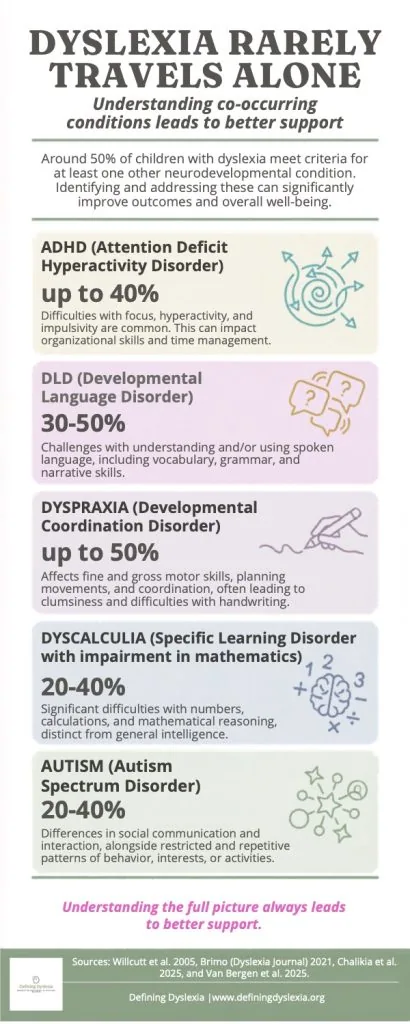
For many people, dyslexia doesn't arrive alone. Around 40% of individuals with dyslexia also meet the criteria for ADHD, and yet the two are often treated as entirely separate conversations. Understanding how they interact isn't just clinically useful. It can be genuinely life-changing.
What is the connection?
Dyslexia and ADHD are both neurodevelopmental conditions, meaning they originate in how the brain is wired rather than how hard someone tries. They share some common features (difficulties with working memory, processing speed, and organisation) which is partly why they so often co-occur. Additionally, because their symptoms can overlap, one condition frequently masks the other, leading to delayed or incomplete identification.
A child who struggles to read may be assumed to have dyslexia alone. An adult who can't finish tasks may be told they simply lack focus. In reality, the full picture is often more complex (and more treatable) than either label suggests in isolation.
How does it look in practice?
For children, the combination can show up as difficulty settling to work, losing track mid-task, inconsistent reading and spelling, and a sense of working incredibly hard for very little visible output. Teachers may describe the child as bright but scattered, capable but inconsistent.
For teenagers, it can mean missed deadlines, lost coursework, and a growing sense of falling behind peers who seem to manage effortlessly. The emotional toll is significant, and frequently underestimated.
For adults, it often looks like a lifetime of quietly compensating. Many people reach their thirties, forties, or beyond before anyone joins the dots. By then, the strategies they have built around their difficulties can mask the underlying profile entirely, until pressure mounts and those strategies stop working.
Why does it matter to identify both?
Because supporting one without understanding the other rarely works as well as it should. A child receiving literacy intervention for dyslexia may still struggle if working memory and attention difficulties are going unaddressed. An adult managing ADHD through medication may still find reading and writing disproportionately effortful if dyslexia has never been formally identified.
Getting the full picture (understanding both what is present and how the two interact) means support can be genuinely targeted rather than partial.
Getting the full picture (understanding both what is present and how the two interact) means support can be genuinely targeted rather than partial.
What should you do?
If you recognise this profile in yourself, your child, or someone you support, the first step is a thorough assessment that considers the whole cognitive picture. A specialist dyslexia assessment will look at phonological processing, working memory, processing speed, and literacy skills, building a profile that can indicate whether further exploration of ADHD is also warranted.
You do not need to have all the answers before reaching out. That is exactly what assessment is for.
Download our free quick guide: A Quick Guide to Attention and Concentration (PDF)
About Defining Dyslexia and the author
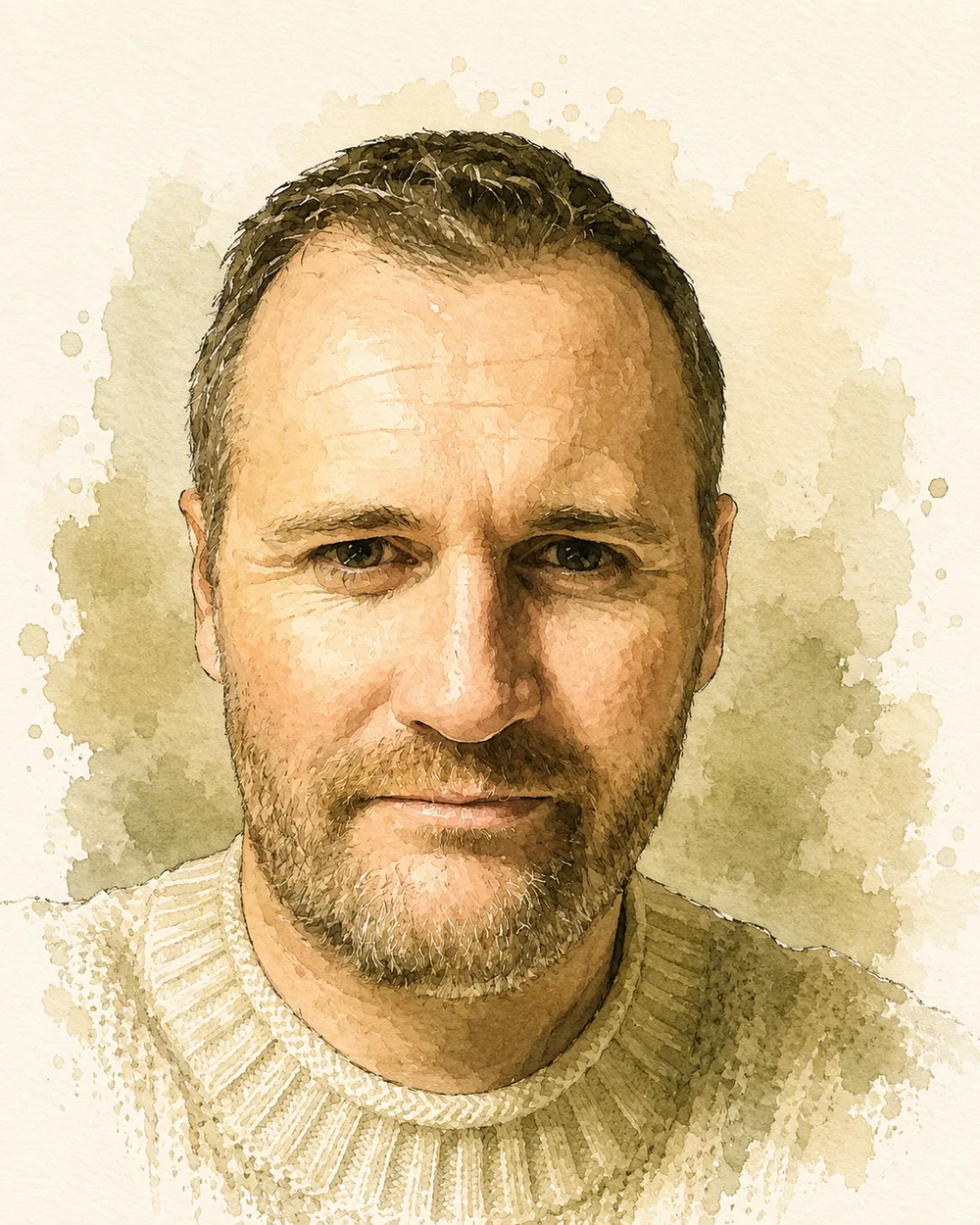
About the author
Mark
Specialist dyslexia assessor and founder of Defining Dyslexia
Mark is a qualified teacher and specialist assessor who has worked across mainstream and SEND education, including as a SENCo. He holds an Assessment Practising Certificate and is a member of PATOSS, and he carries out every Defining Dyslexia assessment personally, from the first conversation through to talking the report through with you.
- PATOSS member
- Assessment Practising Certificate
- PGCE
- NASENCo
- CPT3A
- PgDip SpLD
About Defining Dyslexia
Diagnostic dyslexia assessments for children, adults and students
Defining Dyslexia provides full diagnostic SpLD assessments for children, adults and university and college students. Face-to-face assessments are available in Sheffield and South Yorkshire, Peterborough and Cambridgeshire, and Stamford and Rutland, with remote assessments available UK-wide. Every assessment includes time to talk through the findings together, so you leave with a clear understanding of the results rather than a document to decipher alone.
If you have questions, or you are wondering whether an assessment might be the right next step, a free 15-minute telephone call is available with no obligation.