
Dyslexia and Reading Aloud: Why It's So Hard and What Actually Helps?
If your child goes quiet when the teacher asks the class to read aloud, you are not imagining it. For many children with dyslexia, reading aloud is one of the most difficult and exposed…
By Mark, specialist dyslexia assessor

If your child goes quiet when the teacher asks the class to read aloud, you are not imagining it. For many children with dyslexia, reading aloud is one of the most difficult and exposed moments of the school day. Understanding why can make an enormous difference, both to how you support your child at home and to what you ask of their school.
Why reading aloud is so much harder than reading silently
Reading silently allows a child to move at their own pace. They can slow down, re-read a line, pause on a word they are not sure of, and continue without anyone noticing. Reading aloud removes all of that. The pace is set by the situation rather than the reader, and every hesitation is visible to everyone in the room.
For a child with dyslexia, several things are happening at once during this process. They are decoding individual words, tracking their place on the page, holding the sentence structure in working memory, and monitoring how they sound to others. Additionally, they are often anticipating which line is coming next and bracing for words they know will be difficult. That is an enormous cognitive load, and it happens in real time with no opportunity to pause and recover.
The role of working memory
Working memory plays a central role in reading aloud. It is the system that holds information in mind while you are doing something else with it. When working memory is under pressure, reading fluency breaks down quickly. A child might lose their place mid-sentence, misread a word they actually know, or skip a line entirely without realising.
This is not a concentration problem. It is not carelessness. It is simply the result of a system being asked to do too many things at once, without the same automatic decoding skills that other children have developed.
Why it feels so personal
Children with dyslexia are often acutely aware that reading aloud is harder for them than for their classmates. By the time a child reaches Key Stage 2, many have developed a quiet but persistent sense of shame around it. They may have been corrected in front of others, heard other children sigh, or noticed a teacher's expression shift when they stumble.
Over time, this can become something bigger than a reading difficulty. It can become part of how a child understands themselves. This is one of the reasons why the emotional impact of dyslexia deserves as much attention as the academic one.
Over time, this can become something bigger than a reading difficulty.
What actually helps
The most important thing a school can do is make reading aloud feel safe rather than compulsory. This does not mean a child with dyslexia should never read aloud. It means they should have control over when and how it happens.
Some children do well when they are given the passage in advance, so they can practise quietly before being asked to read it to others. Others prefer to read one on one with a teacher or teaching assistant rather than in a full class setting. Additionally, some children find it helpful to follow along with a finger or a reading ruler while another student reads, so they stay anchored to the text without the pressure of performing.
At home, paired reading is one of the most consistently useful strategies available. This involves reading aloud together, with a parent reading alongside the child rather than listening and correcting. The child can drop out when they struggle and re-join when they are ready. Over time this builds both fluency and confidence, without the exposure of being alone with the text in front of an audience.
What to avoid
Asking a child with dyslexia to read cold, without warning, in front of the class is rarely productive and can be actively damaging. It does not build resilience. It builds avoidance. Similarly, correcting every error as it happens interrupts fluency and draws attention to difficulty in a way that compounds anxiety rather than reducing it.
If your child's teacher regularly uses cold calling for reading aloud, it is worth having a quiet conversation about it. Most teachers are receptive when the reasoning is explained clearly, and a small adjustment to classroom practice can make a significant difference to a child's daily experience.
When it is worth getting an assessment?
If your child is consistently finding reading aloud very difficult, and you are also noticing concerns around spelling, writing, or reading comprehension, it may be worth exploring whether an underlying learning difference is involved. A formal assessment looks closely at the areas most associated with dyslexia and gives you a clear picture of what is happening and why. Trust your gut instinct is always my advice to parents and professionals!
Knowing the reason does not solve everything overnight. However, it does change the conversation with the school, and it gives your child something important too: an explanation that has nothing to do with effort or intelligence.
A final word
If reading aloud has become a source of dread for your child, that is worth taking seriously. It is rarely just nerves, and it rarely improves simply by pushing through. Understanding what is behind it is the first step to making things better. Get in touch and we can look at the right way forward together.
About Defining Dyslexia and the author
About the author
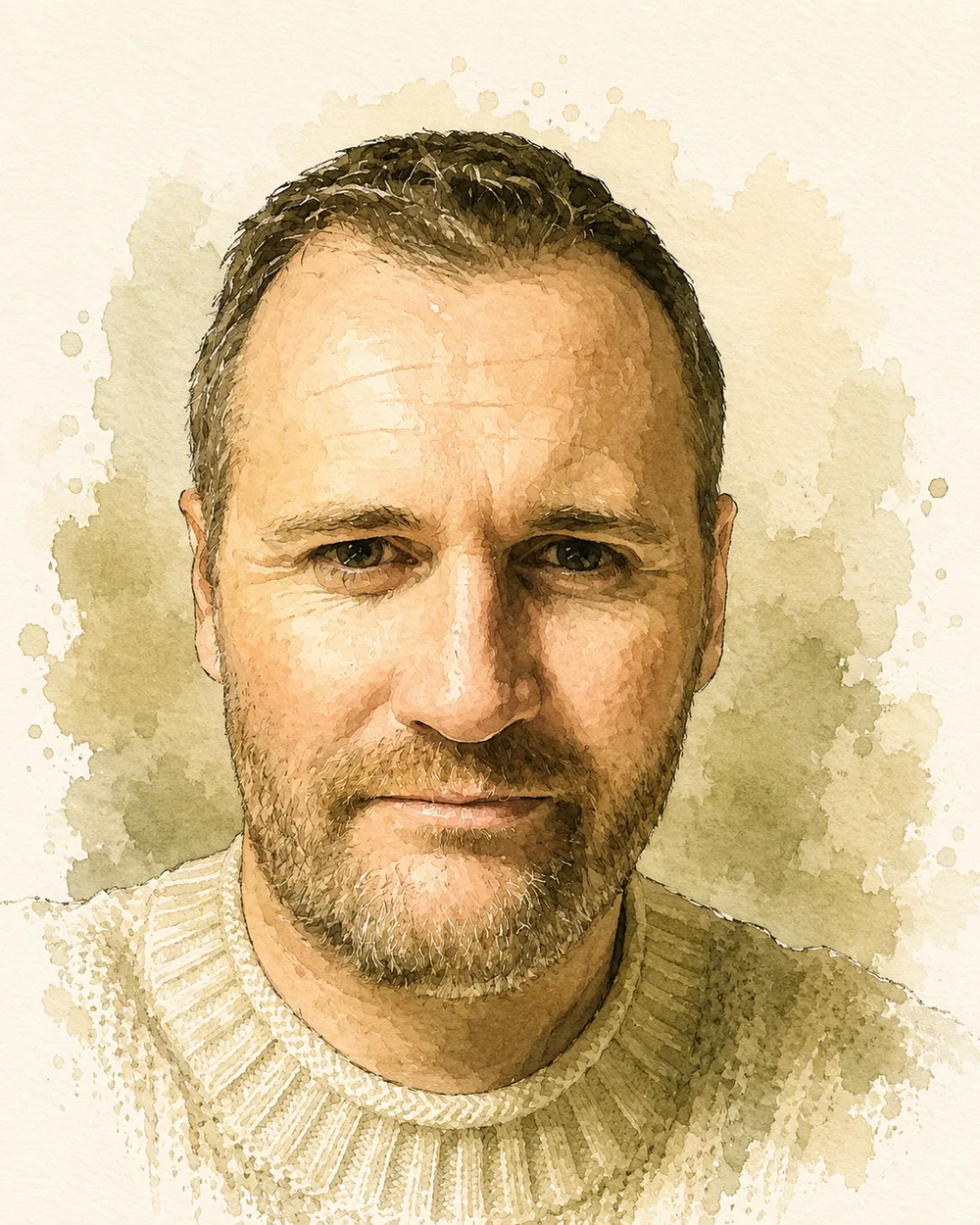
Mark
Specialist dyslexia assessor and founder of Defining Dyslexia
Mark is a qualified teacher and specialist assessor who has worked across mainstream and SEND education, including as a SENCo. He holds an Assessment Practising Certificate and is a member of PATOSS, and he carries out every Defining Dyslexia assessment personally, from the first conversation through to talking the report through with you.
- PATOSS member
- Assessment Practising Certificate
- PGCE
- NASENCo
- CPT3A
- PgDip SpLD
About Defining Dyslexia
Diagnostic dyslexia assessments for children, adults and students
Defining Dyslexia provides full diagnostic SpLD assessments for children, adults and university and college students. Face-to-face assessments are available in Sheffield and South Yorkshire, Peterborough and Cambridgeshire, and Stamford and Rutland, with remote assessments available UK-wide. Every assessment includes time to talk through the findings together, so you leave with a clear understanding of the results rather than a document to decipher alone.
If you have questions, or you are wondering whether an assessment might be the right next step, a free 15-minute telephone call is available with no obligation.