
Dyslexia and University: What Support Is Available?
Going to university is a significant step for any student. For students with dyslexia, it can also bring a fresh set of questions. Additionally, it can bring relief, because university…
By Mark, specialist dyslexia assessor

Going to university is a significant step for any student. For students with dyslexia, it can also bring a fresh set of questions. Additionally, it can bring relief, because university is often the first place where substantial, structured support is formally available.
This post outlines what support exists, how to access it, and what you can reasonably expect.
Does University Support for Dyslexia Actually Exist?
Yes, and it is more comprehensive than many students expect. Universities in the UK have a legal duty under the Equality Act 2010 to make reasonable adjustments for students with disabilities, including dyslexia and other SpLDs.
This means that dyslexia is not simply acknowledged. It is formally accommodated. Additionally, many universities have dedicated disability or learning support teams whose sole focus is helping students like you succeed.
What Kind of Support Can Students with Dyslexia Access?
Support varies between institutions, but the following are commonly available.
Exam Arrangements
This is one of the most significant adjustments available. Where the evidence supports it, a university may agree extra time in examinations, commonly an additional 25%, though this is not automatic and is decided by the institution. They may also be eligible for a separate room to reduce distraction and allow rest breaks, the use of a reader or scribe where reading or writing difficulties are significant, or access to a laptop to type rather than write by hand.
These arrangements must usually be applied for in advance and supported by evidence of need, typically a formal assessment report.
Assistive Technology
Many universities provide access to assistive technology through their library or disability service. This can include text-to-speech software such as Read&Write or NaturalReader, mind-mapping tools to support planning and organisation, speech-to-text software to support written work, and specialist study skills apps.
Additionally, if you are eligible for Disabled Students' Allowance (DSA), you may be able to access funded assistive technology tailored to your needs.
Study Skills Support
Many universities offer one-to-one study skills sessions for students with SpLDs. These sessions can cover note-taking strategies, essay planning, time management, and reading techniques. Additionally, some universities provide specialist dyslexia tutors rather than general study skills advisers.
Extended Deadlines and Submission Flexibility
Some universities offer extensions on coursework as a reasonable adjustment. This is not automatic. It is usually arranged through the disability service and documented in a Learning Support Plan or equivalent.
Mentoring
Specialist mentoring, separate from academic tutoring, is available to some students, particularly those funded through DSA. A mentor can help with organisation, managing workload, and navigating university life more broadly.
How Do I Access Support at University?
The process typically involves the following steps.
Step one, disclose your dyslexia. You can do this when applying through UCAS or after you have accepted your place. Early disclosure means support can be in place from the start of your course.
Step two, contact the disability or learning support service. Every university has one, and they will guide you through the process and advise on what evidence you need to provide.
Step three, provide evidence. A formal assessment report confirming your dyslexia diagnosis is usually required. Additionally, most universities specify that reports should be recent, typically within the last three to five years, though this varies.
Step four, have a needs assessment. The university's support team will assess what adjustments are appropriate and document these in a support plan.
What If I Don't Have a Recent Assessment Report?
This is a common situation. Many students were assessed in childhood and their reports are now considered out of date. Additionally, some students arrive at university without ever having been formally assessed.
In either case, it is worth contacting the university's disability service early. Some universities can arrange an assessment or signpost you to an approved assessor. Additionally, if you are applying for DSA, a current assessment report is usually required as part of that process.
What About DSA?
DSA is a government grant available to eligible students in higher education. It is not means-tested and does not have to be repaid. It can fund a wide range of support, including assistive technology, specialist mentoring, and study skills tuition.
Post 20 covers DSA in full detail, including how to apply and what it can fund.
Do I Have to Tell My University About My Dyslexia?
No, disclosure is entirely your choice. However, without disclosing, universities cannot put support in place. Additionally, exam arrangements and DSA funding both require formal disclosure and evidence.
Many students worry about stigma. In practice, university disability services are experienced, non-judgmental, and focused entirely on helping you access what you are entitled to.
A Final Word
University can be an environment where dyslexic thinkers genuinely flourish. The flexibility of independent study, the breadth of subjects, and the availability of formal support can all work in your favour. Additionally, many students find that university is the first place where their strengths are recognised as clearly as their difficulties.
The key is knowing what is available....... and asking for it.
At Defining Dyslexia, I work with students and adults who are navigating assessments, university applications, and DSA processes. A clear, thorough assessment report can open doors to support that makes a real difference. Face-to-face appointments are available across Sheffield and South Yorkshire, and across Peterborough and Cambridgeshire, with remote assessments available nationwide.
If any of this sounds familiar, it's worth getting in touch. Sometimes the most important thing is simply having someone take the whole picture seriously.
About Defining Dyslexia and the author
About the author
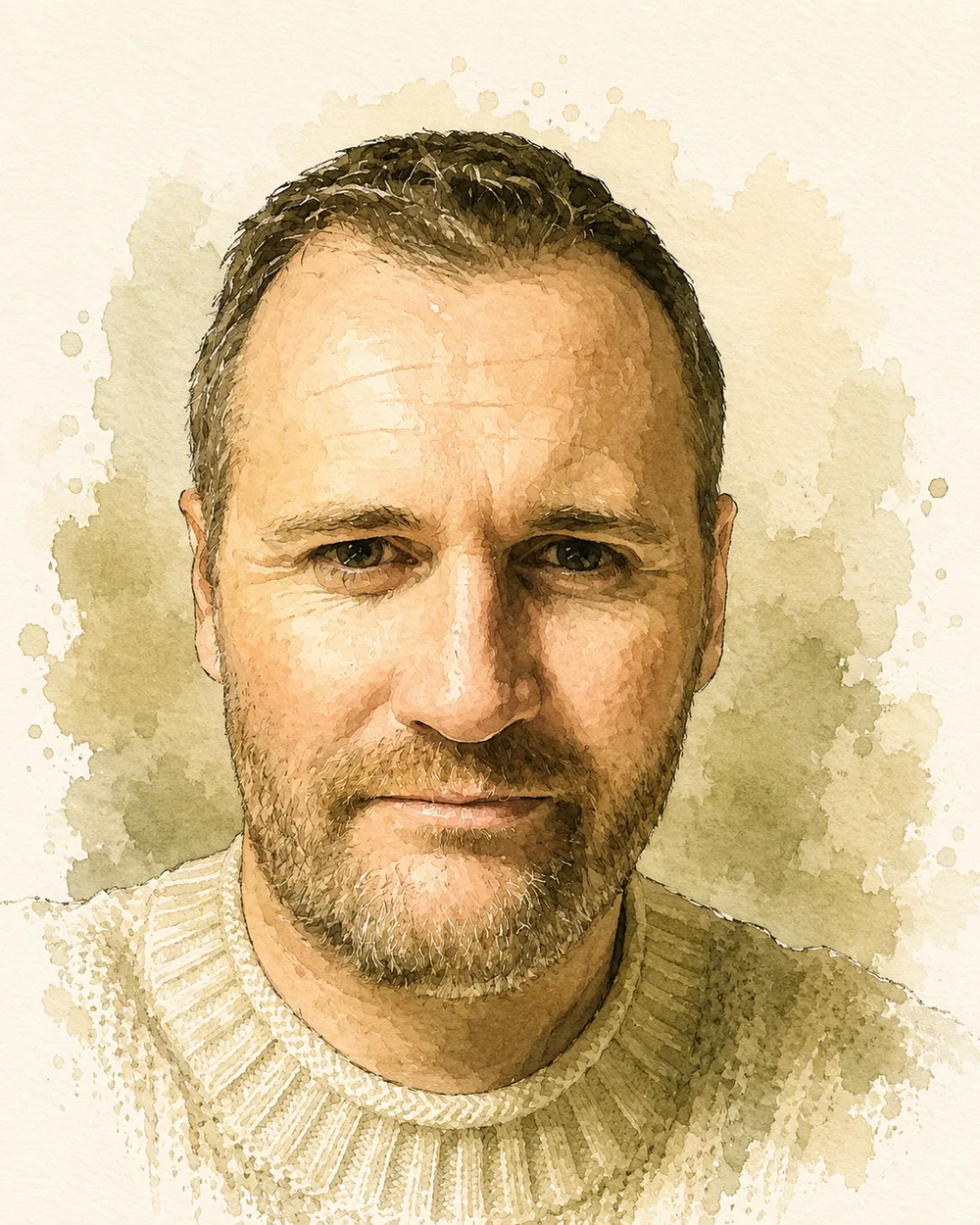
Mark
Specialist dyslexia assessor and founder of Defining Dyslexia
Mark is a qualified teacher and specialist assessor who has worked across mainstream and SEND education, including as a SENCo. He holds an Assessment Practising Certificate and is a member of PATOSS, and he carries out every Defining Dyslexia assessment personally, from the first conversation through to talking the report through with you.
- PATOSS member
- Assessment Practising Certificate
- PGCE
- NASENCo
- CPT3A
- PgDip SpLD
About Defining Dyslexia
Diagnostic dyslexia assessments for children, adults and students
Defining Dyslexia provides full diagnostic SpLD assessments for children, adults and university and college students. Face-to-face assessments are available in Sheffield and South Yorkshire, Peterborough and Cambridgeshire, and Stamford and Rutland, with remote assessments available UK-wide. Every assessment includes time to talk through the findings together, so you leave with a clear understanding of the results rather than a document to decipher alone.
If you have questions, or you are wondering whether an assessment might be the right next step, a free 15-minute telephone call is available with no obligation.