Dyslexia Assessments in Barnsley: A Local Guide for Parents and Adults
For families across Barnsley and the surrounding South Yorkshire villages, a clear explanation of when school support is enough and when a diagnostic assessment is the sensible next step.
By Mark, specialist dyslexia assessor
Most Barnsley parents who get in touch have already tried the sensible things. They have spoken to the class teacher, met the SENCo, agreed a plan, waited a term, and found themselves in the same place with a slightly older child. This guide is about what comes after that, and about how assessment works across the borough.
The local picture, honestly
Barnsley's approach to SEND leans heavily on strong classroom teaching and a graduated response, trying support first, reviewing it, then trying something more. As an approach it is sound and it is what the SEND Code of Practice asks for. For plenty of children it is genuinely enough.
The difficulty is time. A graduated approach measured in terms can mean a child reaches Year 5 or Year 9 with everyone still being cautious about naming anything. The Barnsley SEND Local Offer sets out what is available locally, and Barnsley SENDIASS will talk it through with you free of charge.
Neither provides a diagnostic assessment, and there is no routine NHS route to one either. That is the honest position across the country, not a criticism of Barnsley.
What schools in the area can and cannot do
Barnsley schools can do a great deal without a diagnosis: identify a need, adapt teaching, run targeted literacy work, allow assistive technology, and apply for exam access arrangements where a pupil's normal way of working supports it.
What a school generally cannot do is produce a formal diagnostic conclusion, unless it happens to employ or commission a suitably qualified specialist assessor. Some do, and if yours does, that is a good route. Otherwise a screener is where the school's process stops, and a screener is a signpost rather than an answer.
Where we work across the area and nearby locations
Assessments are carried out across the borough: the town centre, Penistone and the western villages, Wombwell, Hoyland, Cudworth, Royston and Darton. Penistone and the west are a straightforward run from the Sheffield base, and the eastern side connects easily with the Rotherham and Doncaster routes.
Sessions take place at home, at school where the school agrees, or at a local venue. Remote assessment is available across the whole borough and is often the easier option for working parents. Neighbouring pages cover Sheffield, Rotherham and Doncaster.
Sessions take place at home, at school where the school agrees, or at a local venue.
How a private assessment works
A full diagnostic assessment looks at reading accuracy, reading speed, comprehension, spelling and writing, alongside the underlying skills that drive them, particularly phonological processing, working memory and processing speed. Two to three hours is typical, with breaks whenever they are needed.
The written report explains what was found in plain language, and the recommendations are written so a SENCo can act on them. Costs are listed on the assessment prices page, and children are assessed from age 8. There is a fuller explanation on the child assessment page.
Information for adults in the area
Barnsley College has its own disability and dyslexia support for enrolled students, which is well worth using. Students who need formal diagnostic evidence, whether for exam access arrangements or for a Disabled Students' Allowance application at university, will normally need a report from an assessor holding a current Assessment Practising Certificate.
Adults in work are assessed here too, often before an appraisal, a qualification or a change of role. See adult assessments or, for students, university and college assessments.
Mark's connection with the area
Barnsley is covered from the Sheffield side, and it is an area Mark works in regularly. Having been a SENCo, he has sat on the school side of the graduated response as well as the family side, and he is honest with parents about both: schools are usually doing their best with the tools they have, and that still does not always give a family the answer they need.
Taking the next step
If a bright child is keeping up but paying a heavy price for it, this article describes the pattern well. The Barnsley assessment page has the practical detail.
When you want to talk it through, please get in touch. A short conversation costs nothing and often clarifies a great deal.
About Defining Dyslexia and the author
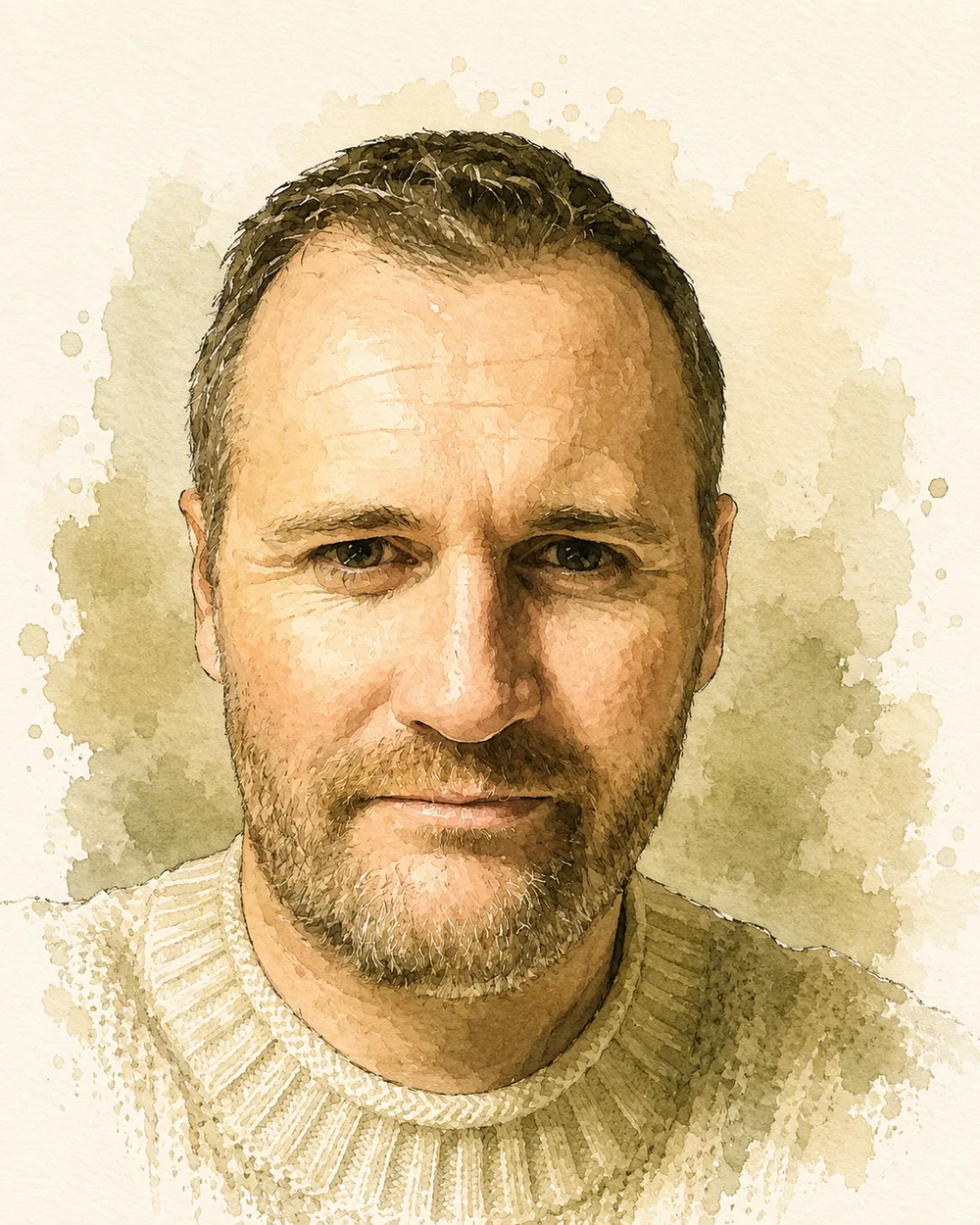
About the author
Mark
Specialist dyslexia assessor and founder of Defining Dyslexia
Mark is a qualified teacher and specialist assessor who has worked across mainstream and SEND education, including as a SENCo. He holds an Assessment Practising Certificate and is a member of PATOSS, and he carries out every Defining Dyslexia assessment personally, from the first conversation through to talking the report through with you.
- PATOSS member
- Assessment Practising Certificate
- PGCE
- NASENCo
- CPT3A
- PgDip SpLD
About Defining Dyslexia
Diagnostic dyslexia assessments for children, adults and students
Defining Dyslexia provides full diagnostic SpLD assessments for children, adults and university and college students. Face-to-face assessments are available in Sheffield and South Yorkshire, Peterborough and Cambridgeshire, and Stamford and Rutland, with remote assessments available UK-wide. Every assessment includes time to talk through the findings together, so you leave with a clear understanding of the results rather than a document to decipher alone.
If you have questions, or you are wondering whether an assessment might be the right next step, a free 15-minute telephone call is available with no obligation.