
Dyslexia Assessments in Rotherham: A Local Guide for Parents and Adults
How dyslexia assessment works across Rotherham and its surrounding villages, for parents who have run out of answers at school and for adults who want to understand a lifelong pattern.
By Mark, specialist dyslexia assessor
Rotherham families often arrive at the same question from two different directions. Either the school has said something that worried you, or the school has said nothing at all and you cannot shake the feeling that your child is working far harder than the results suggest. Adults get there another way again, usually after years of quietly compensating. This guide explains how assessment works here.
The local picture, honestly
Rotherham is a borough rather than a single town, and that shapes everything. Families in Maltby, Dinnington, Kiveton Park, Swinton and Wath upon Dearne are each closer to a different set of services, and support that is available at one end of the borough is not always easy to reach from the other.
The Rotherham SEND Local Offer is a good, clearly organised place to start, and Rotherham SENDIASS provides free impartial advice if you are unsure of your rights or your next move.
What the Local Offer will not give you is a diagnosis. There is no routine NHS route for identifying developmental dyslexia, and council services concentrate on provision rather than diagnostic assessment for individual families. That gap is why private assessment exists at all.
What schools in the area can and cannot do
Schools across Rotherham can identify a need and act on it without any diagnosis whatsoever. Reading interventions, adjusted expectations for written work, coloured overlays, laptops, extra processing time in class: none of these require a report, and the best SENCos do not wait for one.
Where schools are more limited is in reaching a formal conclusion. A screener tells you that something is worth looking at more closely; it does not tell you what that something is. Some schools employ or commission a suitably qualified specialist assessor and can arrange a full assessment themselves, so do ask. Where that is not available, families usually look independently.
Where we work across the area and nearby locations
Rotherham sits a short drive from the Sheffield base, which makes it one of the easier areas to arrange. Assessments take place across the town and out through Wickersley, Maltby, Dinnington, Kiveton Park, Swinton and Wath upon Dearne.
Sessions happen at home, at school where the school is willing to host, or at a suitable local venue. Remote assessment over a secure video platform is available too, and is a sensible option when travel or timing is difficult. The same service continues into Sheffield, Barnsley and Doncaster, so a family living on a boundary is never caught out by it.
Sessions happen at home, at school where the school is willing to host, or at a suitable local venue.
How a private assessment works
The assessment itself is a calm series of tasks covering literacy and the underlying processing skills that support it. It usually takes two to three hours including breaks. Nothing is timed in a way that feels like an exam, and children are told plainly that some tasks are meant to get hard.
You then receive a detailed written report with findings and recommendations you can hand straight to the SENCo, plus a conversation to talk it through. Prices are published on the assessment prices page, with any optional additions agreed in advance.
Information for adults in the area
Adults in Rotherham come for assessment for practical reasons as often as personal ones: a promotion that brings more written work, a training course with written assessments, an apprenticeship, or a return to study at college. A diagnostic report gives you something concrete to discuss with an employer or a training provider.
It also, quite often, brings relief. Understanding that a lifetime of finding certain things unreasonably hard has a name, and is nothing to do with effort or intelligence, changes how people talk to themselves. There is more on adult assessments, and on what happens afterwards.
Mark's connection with the area
Rotherham is part of the everyday South Yorkshire patch worked from the Sheffield base, and Mark travels across the borough regularly. Fifteen years in education, including time as a SENCo, means the conversations families describe here are familiar ones: the meeting that ended with 'we'll keep an eye on it', the intervention that helped a bit but not enough, the child who is fine in class and exhausted at home.
Knowing how South Yorkshire schools work in practice keeps the recommendations realistic rather than aspirational.
Taking the next step
The Rotherham assessment page covers the practical detail, and how to choose a dyslexia assessor is worth reading whoever you end up going to.
If you would rather just talk, you are very welcome to get in touch. There is no obligation, and if an assessment is not what you need, that will be said plainly.
About Defining Dyslexia and the author
About the author
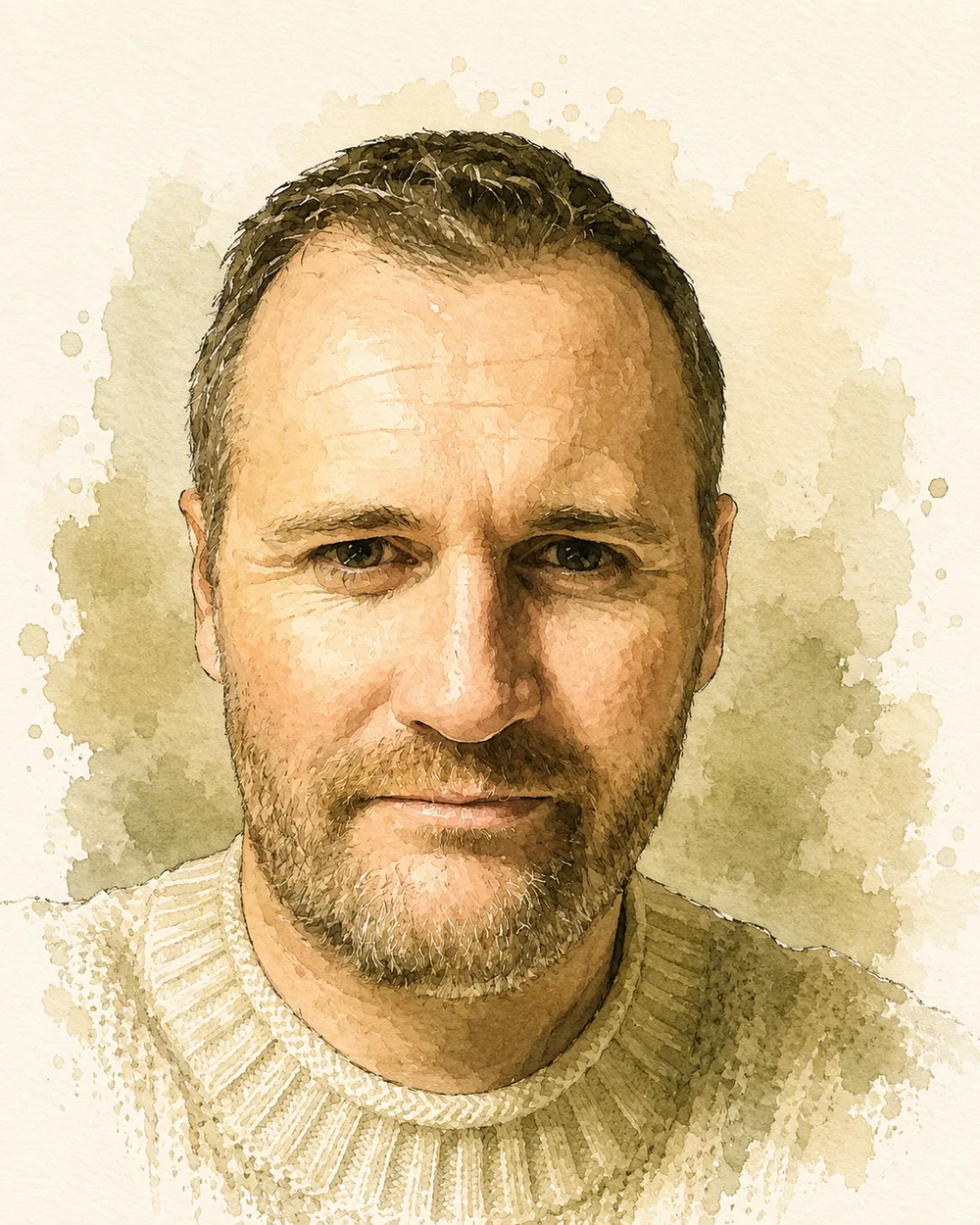
Mark
Specialist dyslexia assessor and founder of Defining Dyslexia
Mark is a qualified teacher and specialist assessor who has worked across mainstream and SEND education, including as a SENCo. He holds an Assessment Practising Certificate and is a member of PATOSS, and he carries out every Defining Dyslexia assessment personally, from the first conversation through to talking the report through with you.
- PATOSS member
- Assessment Practising Certificate
- PGCE
- NASENCo
- CPT3A
- PgDip SpLD
About Defining Dyslexia
Diagnostic dyslexia assessments for children, adults and students
Defining Dyslexia provides full diagnostic SpLD assessments for children, adults and university and college students. Face-to-face assessments are available in Sheffield and South Yorkshire, Peterborough and Cambridgeshire, and Stamford and Rutland, with remote assessments available UK-wide. Every assessment includes time to talk through the findings together, so you leave with a clear understanding of the results rather than a document to decipher alone.
If you have questions, or you are wondering whether an assessment might be the right next step, a free 15-minute telephone call is available with no obligation.