Dyslexia Assessments in Rutland: A Local Guide for Parents and Adults
England's smallest county has limited specialist provision of its own. Here is how families and adults across Rutland arrange a diagnostic dyslexia assessment without a long journey.
By Mark, specialist dyslexia assessor

Rutland families tend to be resourceful about travel, because they have had to be. Almost everything specialist has traditionally meant a drive to Peterborough, Leicester or further. A dyslexia assessment does not have to work that way, and this guide explains what is available across the county.
The local picture, honestly
Rutland County Council is the smallest unitary authority in England, and its SEND team is correspondingly small. It publishes a Rutland SEND Local Offer, and free impartial advice is available through SENDIASS Rutland. Both are genuinely worth using.
What the county does not have is a ready supply of independent specialist assessors. There is no routine NHS route for diagnosing developmental dyslexia anywhere in England, and in a rural county that national gap is felt more sharply, because the alternatives are all some distance away.
What schools in the area can and cannot do
Rutland's schools, from village primaries to Casterton College and the independent schools at Oakham and Uppingham, can identify a need and put support in place without waiting for any diagnosis. Small settings often know their pupils exceptionally well, and that early knowledge is valuable.
Formal diagnostic conclusions are a different matter. A school may have access to a suitably qualified specialist assessor, and some independent schools do, in which case an assessment may be arranged internally. Where that capacity does not exist, screening is where the school's process stops, and an independent specialist report becomes the practical starting point, particularly where access arrangement or exam concession evidence is needed.
Where we work across the area and nearby locations
Remote assessment suits Rutland unusually well, and a good proportion of families here choose it. The session runs over a secure video platform with breaks built in, and produces a report to the same professional standard as an in-person assessment. For a family in a village between Oakham and Uppingham, that removes a round trip that could otherwise swallow a whole day.
Face-to-face assessments across Rutland are arranged from the Peterborough side, covering Oakham, Uppingham, Cottesmore, Ketton, Empingham, Whissendine and the villages around Rutland Water. Availability varies week to week, so it is best to ask at enquiry stage rather than assume. Neighbouring areas include Stamford and Peterborough.
How a private assessment works
The assessment looks at reading, spelling and writing alongside memory, phonological processing and processing speed, and sets all of it against background information about how learning has gone so far. It takes around two to three hours, at a pace that suits the person being assessed.
Afterwards there is a full written report with practical recommendations, and a conversation to make sense of it. Costs are published openly on the assessment prices page. If you are unsure whether remote would work for your child, this article sets out exactly what happens.
Information for adults in the area
For adults, the travel barrier has often meant simply never getting round to it. A remote assessment can be arranged around a working day, which changes the calculation considerably.
Adults come for clarity, for workplace conversations, or because a child's assessment has made them recognise a great deal of their own history. Students needing evidence for a Disabled Students' Allowance application will find more on the university and college page, and general information on the adult assessment page.
Mark's connection with the area
Rutland sits within the area Mark has worked across for years from the Peterborough side, and he knows the practical realities of rural appointments: school runs across several villages, limited public transport, and how much a two-hour round trip costs a family in reality. That is why the flexible and remote options here are offered as genuine equals rather than as a fallback.
Taking the next step
The Rutland assessment page covers appointments, travel and what to expect.
If you would like to work out whether a face-to-face or remote appointment fits your circumstances better, please get in touch. There is no obligation.
About Defining Dyslexia and the author
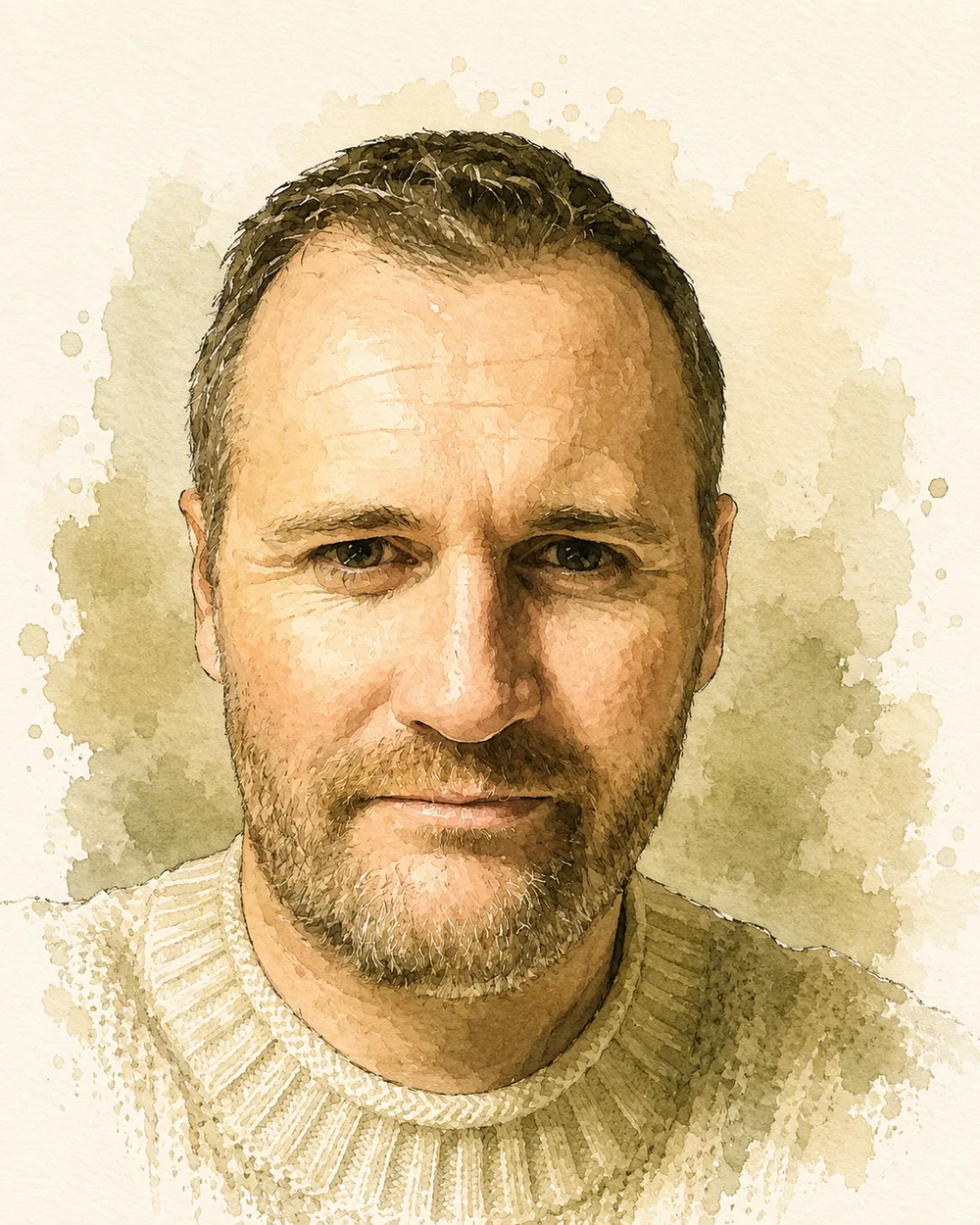
About the author
Mark
Specialist dyslexia assessor and founder of Defining Dyslexia
Mark is a qualified teacher and specialist assessor who has worked across mainstream and SEND education, including as a SENCo. He holds an Assessment Practising Certificate and is a member of PATOSS, and he carries out every Defining Dyslexia assessment personally, from the first conversation through to talking the report through with you.
- PATOSS member
- Assessment Practising Certificate
- PGCE
- NASENCo
- CPT3A
- PgDip SpLD
About Defining Dyslexia
Diagnostic dyslexia assessments for children, adults and students
Defining Dyslexia provides full diagnostic SpLD assessments for children, adults and university and college students. Face-to-face assessments are available in Sheffield and South Yorkshire, Peterborough and Cambridgeshire, and Stamford and Rutland, with remote assessments available UK-wide. Every assessment includes time to talk through the findings together, so you leave with a clear understanding of the results rather than a document to decipher alone.
If you have questions, or you are wondering whether an assessment might be the right next step, a free 15-minute telephone call is available with no obligation.