Dyslexia Assessments in Sheffield: A Local Guide for Parents and Adults
A plain guide to getting a dyslexia assessment in Sheffield, for parents wondering what school can offer and for adults and students who need clear diagnostic evidence.
By Mark, specialist dyslexia assessor

If you are looking for a dyslexia assessment in Sheffield, you have probably already had a few conversations that did not quite give you an answer. A teacher may have mentioned reading, or spelling, or how tired your child is by Friday. Or you may be an adult who has managed for years and finally wants to know why certain things have always felt harder than they should. This guide sets out how assessment actually works across Sheffield, so you can decide what to do with a clear head.
The local picture, honestly
Sheffield is a big city with a wide spread of schools, from small primaries in the valleys to large secondaries and two universities. Support for specific learning difficulties is real and often good, but it is not evenly distributed, and what a family gets can depend a great deal on which school their child happens to attend.
Sheffield City Council publishes a SEND Local Offer describing the support available across the city, and Sheffield SENDIAS gives free, impartial advice to families. Both are worth reading before you spend anything at all.
What neither can offer is a routine diagnostic assessment for an individual child. There is also no routine NHS pathway for diagnosing developmental dyslexia in the UK. That is not a Sheffield problem, it is how the system is arranged nationally, and it is the single fact that surprises parents most.
What schools in the area can and cannot do
Your child's school matters more than any private report. A SENCo who knows your child can put support in place straight away, without waiting for a diagnosis, and legally they do not need one in order to act. If you have concerns, the SENCo is always the right first conversation.
Many Sheffield schools use screening tools, and these are genuinely useful for spotting who might need a closer look. Screening is not the same as a diagnostic assessment, though. It flags a possibility rather than reaching a conclusion, and on its own it does not usually provide the evidence needed for exam access arrangements.
Some schools do have access to a suitably qualified specialist assessor, either on staff or commissioned in, and where that is the case they may be able to arrange a full assessment themselves. It is always worth asking. Where a school cannot, or where a family wants an independent view, a private specialist assessment is the practical route to clarity.
Many Sheffield schools use screening tools, and these are genuinely useful for spotting who might need a closer look.
Where we work across the area and nearby locations
Sheffield is one of Defining Dyslexia's two main face-to-face bases, so appointments here are usually straightforward to arrange. Assessments take place across the city, from Hillsborough and Chapeltown in the north to Ecclesall and the south-west, out to Stocksbridge, and across to Mosborough and the Dronfield edge.
There is no clinic or assessment centre. Mark travels to you, which usually means your own home, or your child's school where the school agrees to host the session. A suitable local venue can be arranged instead, and if a room has to be hired, any small additional cost is agreed with you before anything is booked.
The same service reaches the wider South Yorkshire area, including Rotherham, Barnsley and Doncaster, and south into Derbyshire around Chesterfield and the Peak District.
How a private assessment works
A full diagnostic assessment is quiet, structured and unhurried. It looks at reading, spelling and writing alongside underlying processing, including memory, phonological skills and speed of information processing. Most sessions run for around two to three hours with breaks, and can be split where that would suit a younger child better.
Afterwards you receive a full written report setting out the findings and practical recommendations for home, school or work, and time to talk it through so you are not left interpreting a document alone. Costs are set out openly on the assessment prices page.
Information for adults in the area
A good number of the adults assessed in Sheffield are people who were never assessed at school. Some are in work and finding written tasks or deadlines disproportionately draining. Some are returning to study. Some simply want to understand themselves better, which is reason enough.
Sheffield also has a very large student population across the University of Sheffield and Sheffield Hallam. Students applying for the Disabled Students' Allowance generally need a diagnostic report from an assessor holding a current Assessment Practising Certificate. The funding decision itself sits with the DSA assessor and Student Finance, not with the assessor who wrote the report. You can read more about adult assessments and university and college assessments.
Sheffield also has a very large student population across the University of Sheffield and Sheffield Hallam.
Mark's connection with the area
Sheffield is where Mark is based for the northern half of the service, and it is the area he travels across most weeks. Fifteen years of working in education, as a teacher, as a SENCo and now as a specialist assessor, means he is familiar with how South Yorkshire schools operate day to day: what a SENCo can realistically put in place, how graduated support is meant to work, and what tends to happen when a capable child keeps slipping through it.
That matters because a report is only useful if the recommendations can actually be delivered in a real classroom on a normal Tuesday. Knowing the local landscape helps keep them grounded.
Taking the next step
If you are still weighing things up, that is completely reasonable. It often helps to read what a school can and cannot do about diagnosis first, and to look at the Sheffield assessment page for the practical details.
When you are ready, a short conversation is usually the quickest way to work out whether an assessment is the right step, or whether something else would help more. You are welcome to get in touch with no obligation at all. Children are assessed from age 8, and there is a route for children and for adults alike.
About Defining Dyslexia and the author
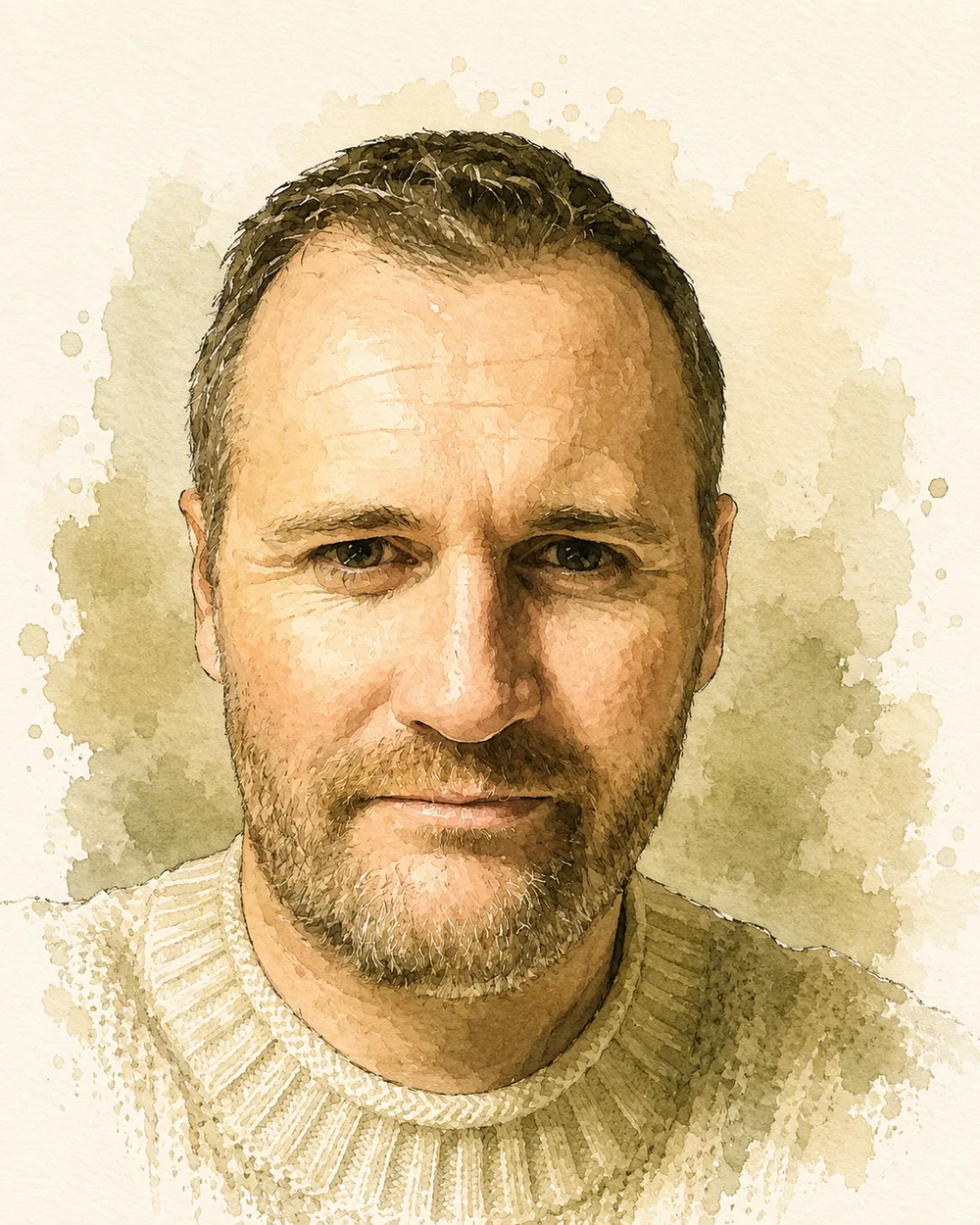
About the author
Mark
Specialist dyslexia assessor and founder of Defining Dyslexia
Mark is a qualified teacher and specialist assessor who has worked across mainstream and SEND education, including as a SENCo. He holds an Assessment Practising Certificate and is a member of PATOSS, and he carries out every Defining Dyslexia assessment personally, from the first conversation through to talking the report through with you.
- PATOSS member
- Assessment Practising Certificate
- PGCE
- NASENCo
- CPT3A
- PgDip SpLD
About Defining Dyslexia
Diagnostic dyslexia assessments for children, adults and students
Defining Dyslexia provides full diagnostic SpLD assessments for children, adults and university and college students. Face-to-face assessments are available in Sheffield and South Yorkshire, Peterborough and Cambridgeshire, and Stamford and Rutland, with remote assessments available UK-wide. Every assessment includes time to talk through the findings together, so you leave with a clear understanding of the results rather than a document to decipher alone.
If you have questions, or you are wondering whether an assessment might be the right next step, a free 15-minute telephone call is available with no obligation.