Dyslexia Assessments in South Lincolnshire: A Local Guide for Parents and Adults
South Lincolnshire is a spread of market towns and villages rather than one place. This guide explains how dyslexia assessment works across the area, including in a county where the 11+ still matters.
By Mark, specialist dyslexia assessor
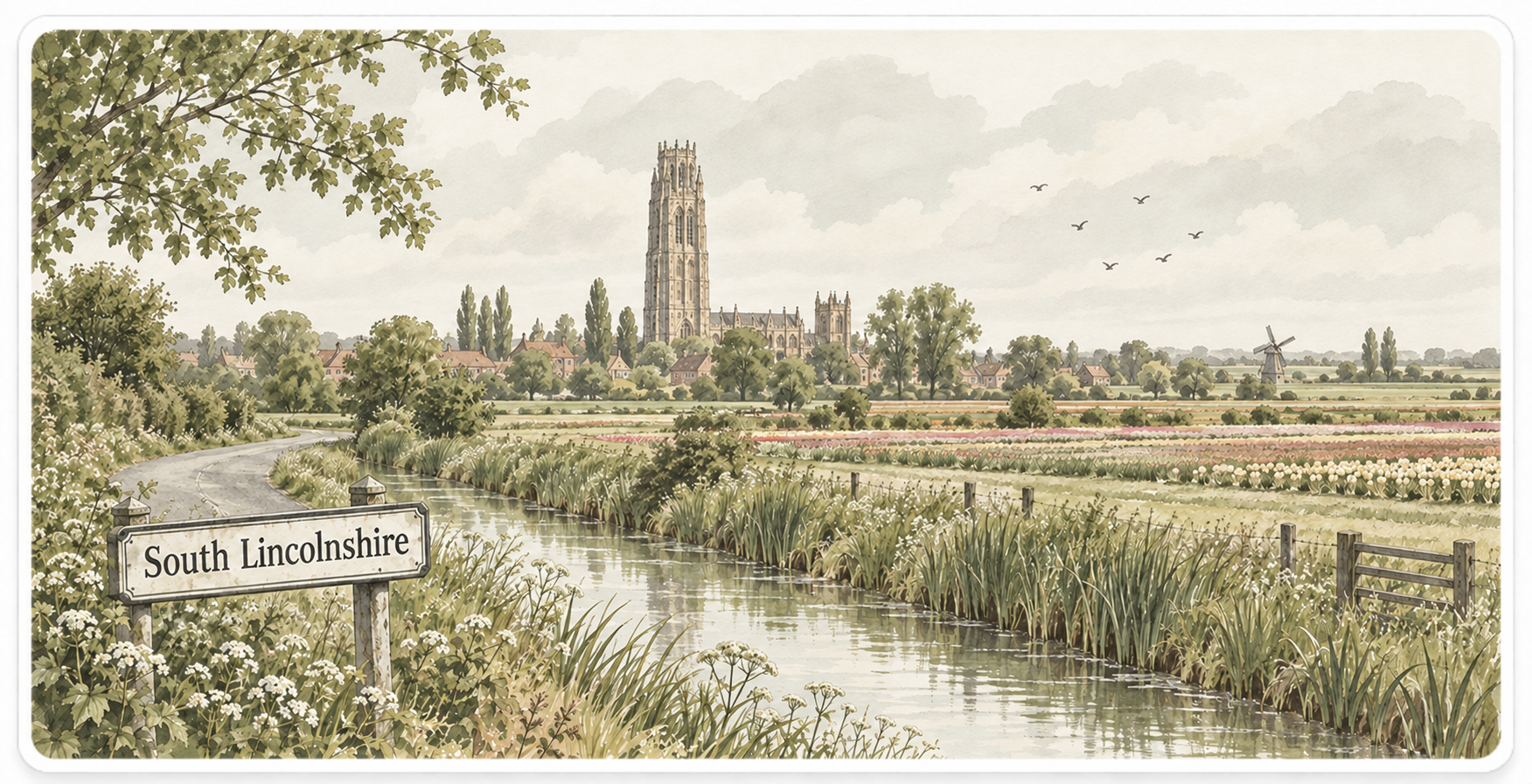
South Lincolnshire is not a single town, and any guide that treats it as one is not much use. Families move between Bourne, the Deepings, Spalding, Stamford and Grantham for school, work and specialist support, and the distances involved shape what is realistic. This guide takes that as the starting point.
The local picture, honestly
Lincolnshire is a large, largely rural county, and provision is spread across it accordingly. The Lincolnshire SEND Local Offer sets out what is available county-wide, and Liaise Lincolnshire provides free impartial advice to families. Both are sensible first stops.
Lincolnshire also retains selective education, and the 11+ remains part of the landscape for many families here. That adds a particular pressure: parents want to know whether a difficulty is real and what it means for a test that sits at a fixed point in time. There is no routine NHS diagnostic pathway for developmental dyslexia, so an independent assessment is usually the route to a clear answer.
What schools in the area can and cannot do
Schools across South Lincolnshire can identify a need and support it without any diagnosis, and good village primaries often do this well because they know their families over many years.
Where evidence is required, for exam access arrangements or for a selective test, the standard is higher. Arrangements must rest on evidence from a suitably qualified specialist assessor, and the application is made by the school. Some schools have access to their own assessor and can handle this internally; many do not, in which case an independent report fills the gap. Screening carried out in school is a helpful indicator, but it is not a diagnosis.
Where we work across the area and nearby locations
The area covered runs across Bourne, Market Deeping, Deeping St James, Spalding, Langtoft, Baston, Pinchbeck and Morton, along with the villages between them. Home assessments are usually the most convenient option here, and school or local venue appointments can be arranged where appropriate.
Remote assessment is available right across the area and is often the practical choice in the more rural villages. Neighbouring pages worth a look are Stamford and Peterborough.
Remote assessment is available right across the area and is often the practical choice in the more rural villages.
How a private assessment works
A full diagnostic assessment covers literacy skills and the cognitive processing behind them, interpreted alongside developmental and educational background. It generally runs for two to three hours with breaks, and children are assessed from age 8.
The written report explains the profile and sets out recommendations that a school can put into practice, and there is time afterwards to talk it all through. Costs are on the assessment prices page, and if you are still comparing options, how to find an assessment near you is a useful read.
Information for adults in the area
Adults across South Lincolnshire seek assessment for a mix of reasons: understanding longstanding difficulties, gaining evidence for support at work, or preparing for study. Agriculture, logistics and food production are significant local employers, and adults in those sectors often describe being highly capable at the work itself while finding written processes disproportionately hard.
Students in the area, whether at college or heading to university, generally need a diagnostic report before applying for the Disabled Students' Allowance. See adult assessments and university and college assessments.
Mark's connection with the area
This part of Lincolnshire has been within Mark's working area for years, reached from the Peterborough side, and he has taught in schools across the wider region. He is familiar with how families here weigh up school choice, the 11+ and travel, and with how easily a capable child can be carried along by a supportive village primary until the demands of secondary school make the difficulty obvious.
Taking the next step
The South Lincolnshire assessment page covers the practical arrangements, including the 11+ in more detail.
If you would like to talk it over first, particularly if timing around a school transition matters, please get in touch. A short conversation costs nothing and often settles the question either way.
About Defining Dyslexia and the author
About the author
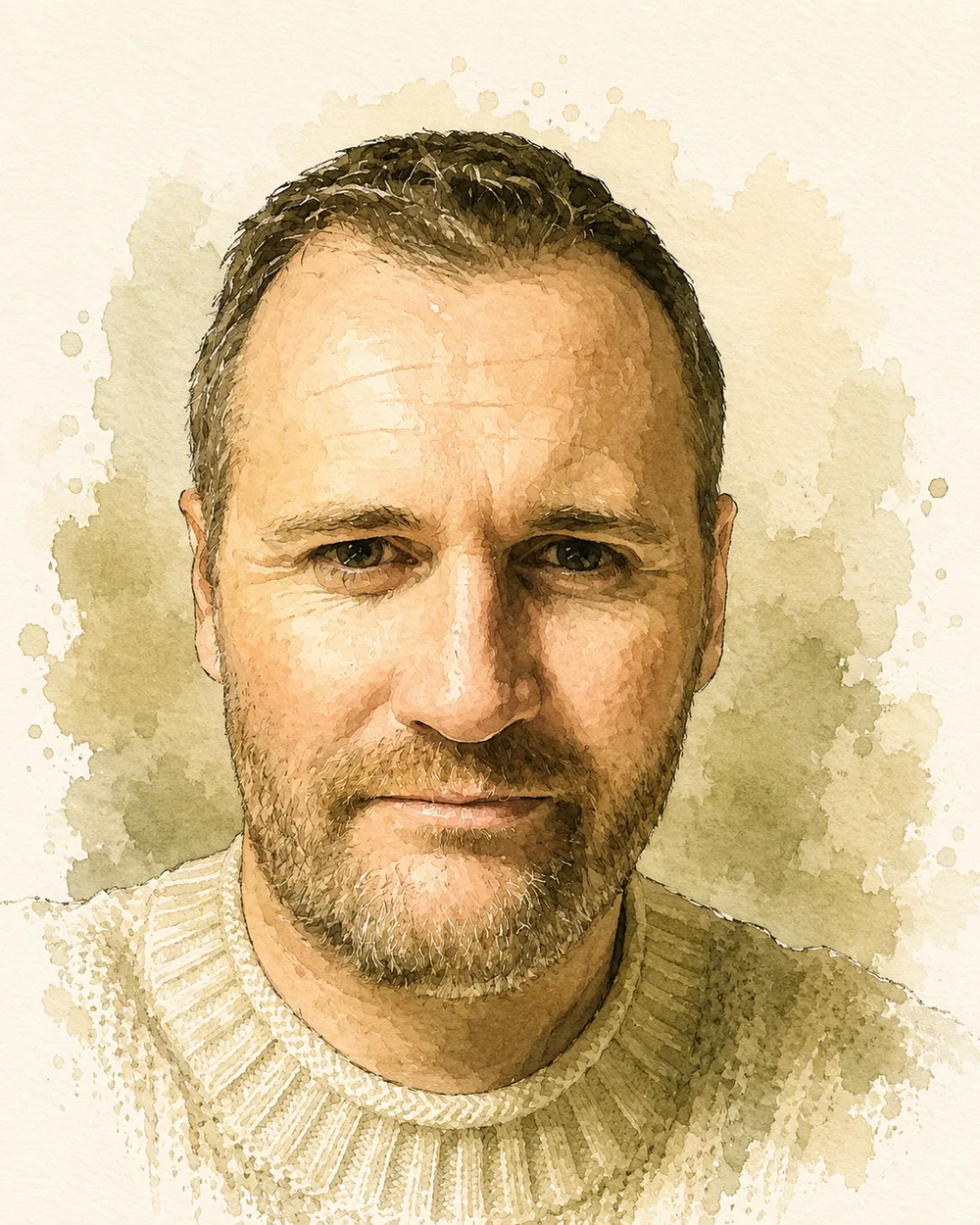
Mark
Specialist dyslexia assessor and founder of Defining Dyslexia
Mark is a qualified teacher and specialist assessor who has worked across mainstream and SEND education, including as a SENCo. He holds an Assessment Practising Certificate and is a member of PATOSS, and he carries out every Defining Dyslexia assessment personally, from the first conversation through to talking the report through with you.
- PATOSS member
- Assessment Practising Certificate
- PGCE
- NASENCo
- CPT3A
- PgDip SpLD
About Defining Dyslexia
Diagnostic dyslexia assessments for children, adults and students
Defining Dyslexia provides full diagnostic SpLD assessments for children, adults and university and college students. Face-to-face assessments are available in Sheffield and South Yorkshire, Peterborough and Cambridgeshire, and Stamford and Rutland, with remote assessments available UK-wide. Every assessment includes time to talk through the findings together, so you leave with a clear understanding of the results rather than a document to decipher alone.
If you have questions, or you are wondering whether an assessment might be the right next step, a free 15-minute telephone call is available with no obligation.