
Dyslexia Assessments in Stamford: A Local Guide for Parents and Adults
Stamford sits where three counties meet, with an unusually concentrated mix of schools. This guide explains how dyslexia assessment works locally for children, students and adults.
By Mark, specialist dyslexia assessor

Stamford has a particular pattern to it. Families here frequently describe an able child who is holding their own, keeping pace with a demanding curriculum, and quietly working twice as hard as everyone around them to do it. That profile is easy to miss, and it is one of the most common reasons parents in the town get in touch.
The local picture, honestly
For a town of its size, Stamford has an unusually concentrated mix of maintained and independent schools, serving both the town and the villages spread out towards Bourne, Ketton, Uffington and the Rutland border. Academic expectations are high, and that has two effects: difficulties are sometimes spotted early, and sometimes masked completely.
Stamford sits within Lincolnshire, so the Lincolnshire SEND Local Offer is the official starting point for local support, with Liaise Lincolnshire offering free impartial advice to families. Children at schools just over the Rutland or Cambridgeshire border may fall under a different authority, which is worth checking before you make calls.
What schools in the area can and cannot do
Schools in and around Stamford can support a pupil without any diagnosis: adjusting workload, allowing typed work, teaching strategies explicitly and monitoring progress closely.
Exam access arrangements are where evidence starts to matter. Under JCQ regulations, arrangements must be supported by evidence from a suitably qualified specialist assessor, and it is the school's SENCo or exams officer who leads the application. A diagnostic report gives them the detail they need. The decision itself always stays with the centre and, ultimately, the awarding body, so no assessor can promise extra time.
Some schools do have access to their own qualified assessor and can arrange this internally. Where a school cannot, an independent assessment provides the same standard of evidence.
Where we work across the area and nearby locations
Stamford is a short drive from the Peterborough base, so face-to-face appointments are usually easy to arrange, at home, at school where the school agrees, or at a suitable local venue. The surrounding area covered includes Ketton, Uffington, Easton on the Hill, Ryhall, Market Deeping and Bourne.
Because Stamford sits on a three-county edge, the neighbouring pages are often relevant too: Rutland to the west, South Lincolnshire to the north and east, and Peterborough to the south. Remote assessment is available throughout.
Because Stamford sits on a three-county edge, the neighbouring pages are often relevant too: Rutland to the west, South Lincolnshire to the north and east, and Peterborough to the south.
How a private assessment works
A full diagnostic assessment measures literacy attainment alongside underlying processing, then interprets the two together with background information from home and school. For an able child who is compensating, that combination is what makes the difficulty visible: attainment can look perfectly acceptable while the profile underneath tells a very different story.
The session takes two to three hours with breaks, and is followed by a full written report and a conversation about what it means. Prices are published on the assessment prices page, and there is more on what exam access arrangements actually involve.
Information for adults in the area
Adults in the Stamford area are often assessed for professional reasons: a qualification with written examinations, a role that has become more paperwork-heavy, or study alongside work. Others were simply never assessed at school and want to make sense of it now.
Students moving on to university usually need a diagnostic report before applying for the Disabled Students' Allowance. See adult assessments and university and college assessments.
Mark's connection with the area
Mark has previously worked in a school in Stamford, which gives him a real feel for the town's educational landscape: how the schools operate, what they ask for when evidence is needed, and where families most often get stuck. Stamford has been part of his working life rather than a name added to a coverage list.
Taking the next step
The Stamford assessment page has the practical detail on appointments and travel.
If you are weighing up whether now is the right moment, particularly with exams approaching, a short conversation will usually make the timing clearer. You are welcome to get in touch.
About Defining Dyslexia and the author
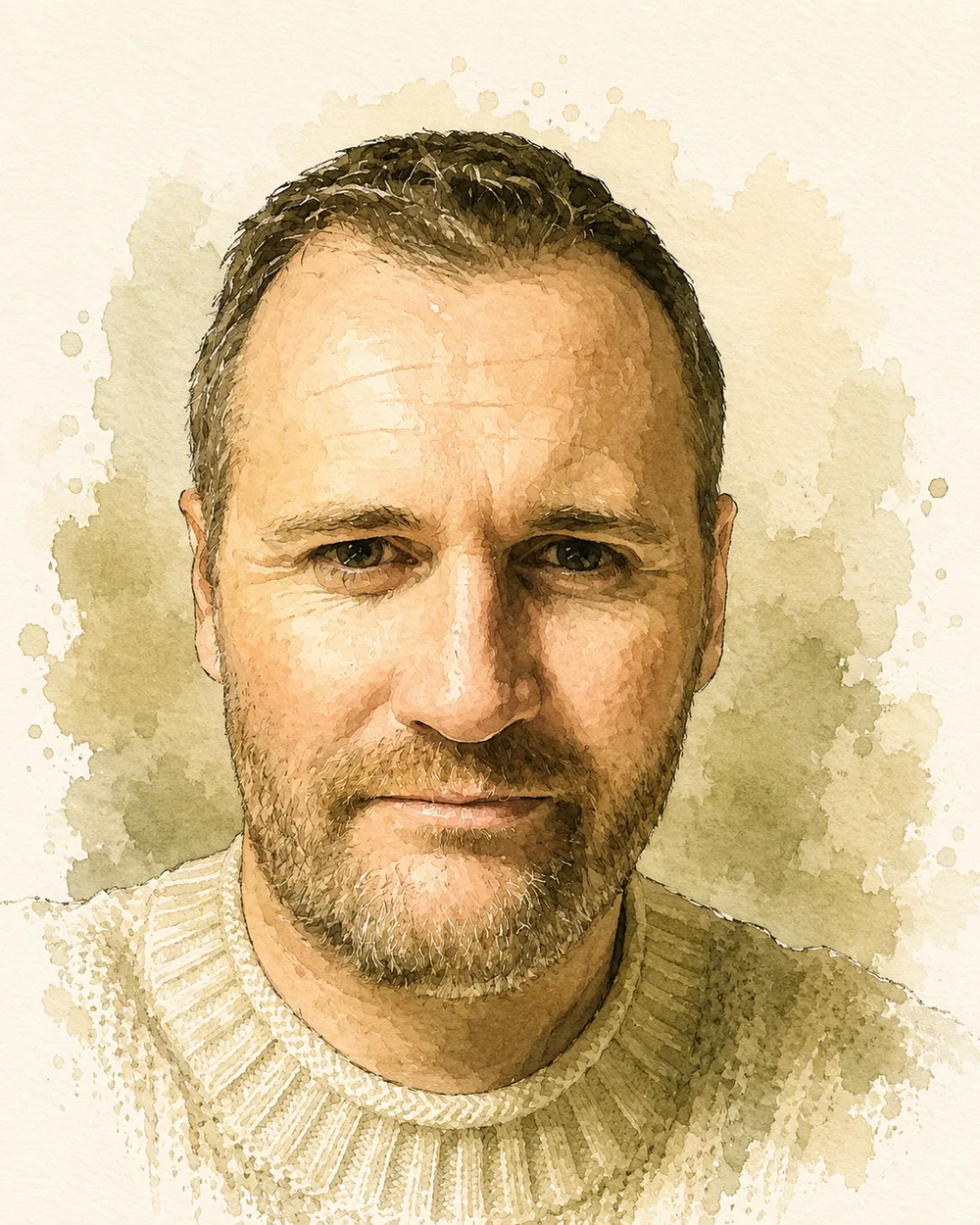
About the author
Mark
Specialist dyslexia assessor and founder of Defining Dyslexia
Mark is a qualified teacher and specialist assessor who has worked across mainstream and SEND education, including as a SENCo. He holds an Assessment Practising Certificate and is a member of PATOSS, and he carries out every Defining Dyslexia assessment personally, from the first conversation through to talking the report through with you.
- PATOSS member
- Assessment Practising Certificate
- PGCE
- NASENCo
- CPT3A
- PgDip SpLD
About Defining Dyslexia
Diagnostic dyslexia assessments for children, adults and students
Defining Dyslexia provides full diagnostic SpLD assessments for children, adults and university and college students. Face-to-face assessments are available in Sheffield and South Yorkshire, Peterborough and Cambridgeshire, and Stamford and Rutland, with remote assessments available UK-wide. Every assessment includes time to talk through the findings together, so you leave with a clear understanding of the results rather than a document to decipher alone.
If you have questions, or you are wondering whether an assessment might be the right next step, a free 15-minute telephone call is available with no obligation.