Dyslexia Assessments in Wakefield: A Local Guide for Parents and Adults
A plain guide to arranging a dyslexia assessment in Wakefield and across the district, for parents weighing up school support and for adults and students who need clear diagnostic evidence.
By Mark, specialist dyslexia assessor

If you are looking into a dyslexia assessment in Wakefield, you have probably already been through a round or two of conversations that ended without a clear answer. Perhaps the school has been supportive but cautious about naming anything. Perhaps you are an adult who has quietly worked around reading and writing for years and would now like to understand why. This guide explains how assessment actually works across the Wakefield district, so you can make your next decision with a clear head.
The local picture, honestly
The Wakefield district covers a lot of ground for one authority: the city itself, Ossett and Horbury to the west, and the Five Towns communities of Pontefract, Castleford, Normanton, Knottingley and Featherstone to the east. Support for specific learning difficulties is real across the district, but identification practice varies between schools and academy trusts, and a family's experience can depend heavily on which school their child happens to attend.
Wakefield Council publishes a SEND Local Offer setting out the support available across the district, and Wakefield SENDIASS offers free, impartial advice to families. Both are worth reading before you spend anything at all.
What neither provides is a routine diagnostic assessment for an individual child, and there is no routine NHS pathway for diagnosing developmental dyslexia anywhere in England. That is how the system is arranged nationally, not a Wakefield failing, but it is the fact that surprises parents most.
It is also worth being clear about EHCPs. An Education, Health and Care Plan is a statutory plan for children with the most complex needs, arranged through the local authority after a formal EHC needs assessment. That is a completely separate process from a private diagnostic dyslexia assessment. Most dyslexic children will never need an EHCP, and an EHCP is not a route to a dyslexia diagnosis. If you are unsure which question you are actually trying to answer, SENDIASS can help you untangle it free of charge.
What schools in the area can and cannot do
A formal dyslexia diagnosis is not required before a school can provide appropriate SEND support. Schools across Wakefield can identify a need and act on it immediately: adapted teaching, targeted literacy intervention, adjusted expectations for written work, assistive technology, extra processing time in class. None of this waits for a report, and the best SENCos do not wait for one. If you have concerns, the SENCo is always the right first conversation.
Many schools use screening tools, which are genuinely useful for spotting who might benefit from a closer look. Screening and diagnostic assessment are not the same thing, though. A screener flags a possibility; it does not reach a conclusion, and on its own it does not usually provide the evidence needed for exam access arrangements. Some schools do have access to a suitably qualified specialist assessor, on staff or commissioned in, and where they do it is always worth asking. Where that is not available, an independent specialist assessment is the practical route.
Exam access arrangements are a separate matter from diagnosis. A dyslexia diagnosis does not automatically entitle anyone to extra time, a reader, a laptop or any other arrangement. Those decisions rest with the school, college or exam centre under the awarding body regulations, and they consider the evidence alongside the pupil's normal way of working in class. A diagnostic report gives the SENCo and exams officer the detail they need to make that decision properly.
Exam access arrangements are a separate matter from diagnosis.
Where we work across the area and nearby locations
Wakefield sits immediately north of Barnsley, so it falls naturally within the same West Yorkshire and South Yorkshire travelling area. Face-to-face assessments are carried out across the district: the city itself, Ossett and Horbury, and out through Pontefract, Castleford, Normanton and Featherstone.
There is no clinic or assessment centre to travel to. Mark comes to you, which usually means your own home, or your child's school where the school agrees to provide a quiet room. A suitable local venue can be arranged instead, and if a room has to be hired any small additional cost is agreed with you before anything is booked. Remote assessment is available throughout the district and is often the quickest option to arrange.
The practical details, including travel and venues, are on the Wakefield assessment page. Neighbouring pages cover Barnsley to the south and the wider South Yorkshire area.
How a private assessment works
A full diagnostic assessment is quiet, structured and unhurried. It looks at reading, spelling and writing alongside the underlying processing that supports them, including memory, phonological skills and processing speed, and sets all of it against background information about how learning has gone so far. Most sessions run for around two to three hours with breaks, and can be split where that suits a younger child better. Children are assessed from age 8.
Afterwards you receive a full written report setting out the findings and practical recommendations for home, school or work, plus time to talk it through so you are not left interpreting a document alone. Costs are set out openly on the assessment prices page, and there is more on what a diagnostic assessment involves.
Information for adults and students in the area
A good number of the adults assessed in the Wakefield area were never identified at school. Some are in work and finding written tasks, deadlines or professional examinations disproportionately draining. Some are returning to study. Some simply want to understand a lifelong pattern, which is reason enough. An adult diagnostic assessment gives you a clear explanation and a report you can use in conversations about workplace adjustments or further study. More sits on the adult assessment page.
Students, whether at Wakefield College or heading on to university, generally need a diagnostic report from an assessor holding a current Assessment Practising Certificate before applying for the Disabled Students' Allowance. The funding decision itself rests with the DSA assessor and Student Finance, not with the person who wrote the report. There is more detail on the university and college assessment page.
Mark's connection with the area
Wakefield is part of the regular working area reached from the Sheffield side, and Mark travels across the district rather than asking families to come to him. Fifteen years in education, as a teacher, as a SENCo and now as a specialist assessor, means the conversations families describe here are familiar ones: the intervention that helped a bit but not enough, the child who copes in class and unravels at home, the report request that arrived just before the exam season rather than comfortably ahead of it.
Knowing how schools in this part of West Yorkshire actually operate keeps the recommendations realistic, because a report is only useful if its suggestions can be delivered in a real classroom on an ordinary Tuesday.
Taking the next step
If you are still weighing things up, that is completely reasonable. It often helps to read what a school can and cannot do about diagnosis first, and how to choose a dyslexia assessor is worth reading whoever you end up going to.
When you are ready, a short conversation is usually the quickest way to work out whether an assessment is the right step, or whether something else would help more. You are welcome to get in touch with no obligation at all.
About Defining Dyslexia and the author
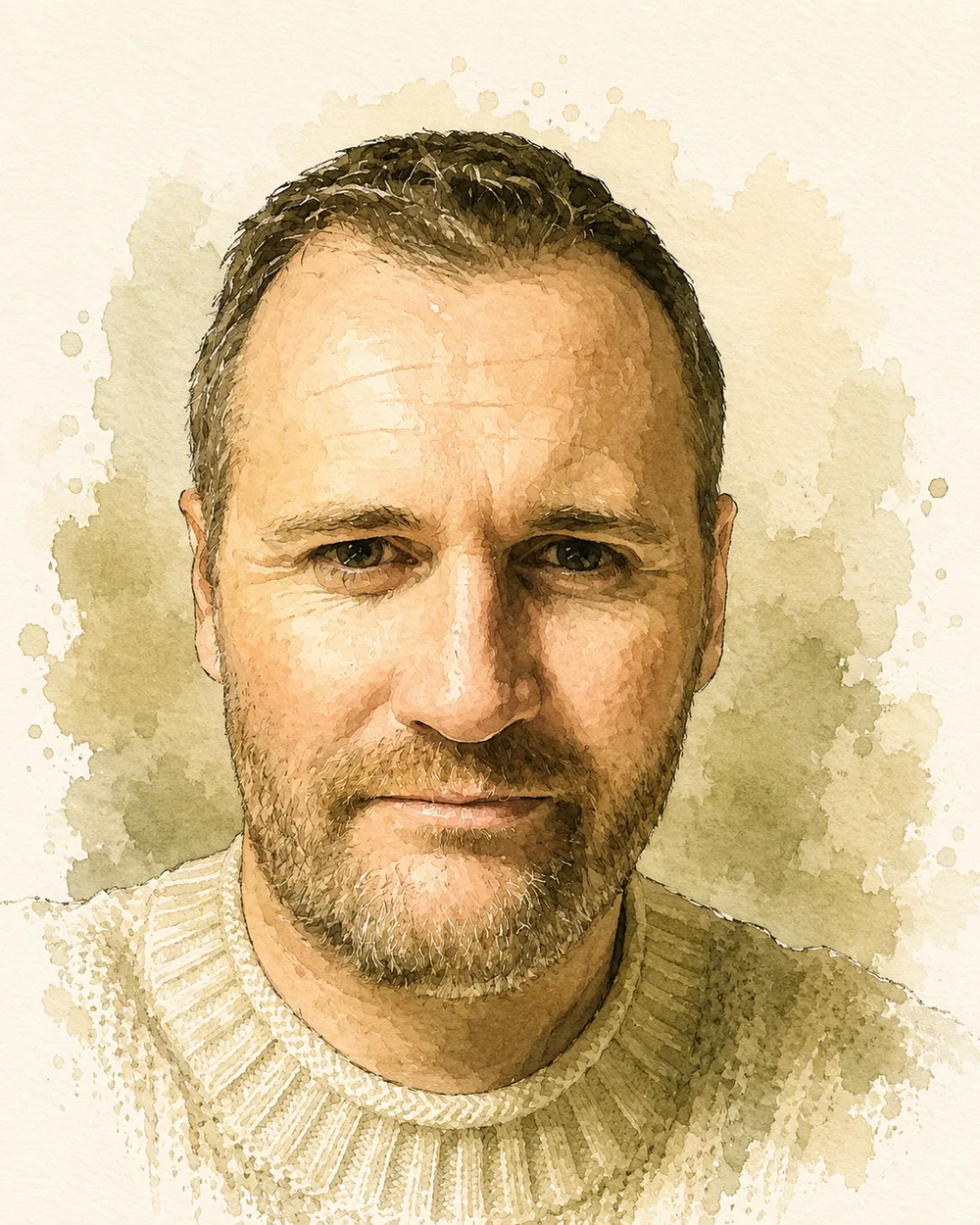
About the author
Mark
Specialist dyslexia assessor and founder of Defining Dyslexia
Mark is a qualified teacher and specialist assessor who has worked across mainstream and SEND education, including as a SENCo. He holds an Assessment Practising Certificate and is a member of PATOSS, and he carries out every Defining Dyslexia assessment personally, from the first conversation through to talking the report through with you.
- PATOSS member
- Assessment Practising Certificate
- PGCE
- NASENCo
- CPT3A
- PgDip SpLD
About Defining Dyslexia
Diagnostic dyslexia assessments for children, adults and students
Defining Dyslexia provides full diagnostic SpLD assessments for children, adults and university and college students. Face-to-face assessments are available in Sheffield and South Yorkshire, Peterborough and Cambridgeshire, and Stamford and Rutland, with remote assessments available UK-wide. Every assessment includes time to talk through the findings together, so you leave with a clear understanding of the results rather than a document to decipher alone.
If you have questions, or you are wondering whether an assessment might be the right next step, a free 15-minute telephone call is available with no obligation.