How Long Does a Dyslexia Assessment Take?
One of the most common practical questions about dyslexia assessment is simply how long it takes. It is a straightforward question, and it deserves a clear answer, though the full…
By Mark, specialist dyslexia assessor

One of the most common practical questions about dyslexia assessment is simply how long it takes. It is a straightforward question, and it deserves a clear answer, though the full picture is worth understanding.
How Long Is the Assessment Itself?
A full dyslexia assessment typically takes between two and three hours. This includes a settling-in conversation at the start, the range of structured tasks that form the assessment, and time at the end to share initial impressions and answer questions.
For younger children, the session may be slightly shorter, with tasks carefully selected to be appropriate for age and stage. Breaks are built in throughout, and a good assessor will always be responsive to how the child or adult is feeling on the day.
Is It All Done in One Session?
In most cases, yes. A full dyslexia assessment is typically completed in a single appointment. This is one of the practical advantages of working with an independent specialist assessor. There is no need for multiple sessions spread across weeks or months.
Additionally, completing the assessment in one session means the assessor builds a consistent picture of performance across all areas on the same day, under the same conditions. This is important for the reliability and accuracy of the findings.
What About the Report?
The assessment appointment is only part of the process. After the session, the assessor writes a detailed report setting out their findings, explaining scores, and making practical recommendations. This takes significant time and professional expertise to do well.
The assessment appointment is only part of the process.
At Defining Dyslexia, reports are typically completed within two weeks of the assessment taking place. The report is the document that carries weight (with schools, universities, employers, and exam boards) so it is worth the assessor taking the time to get it right.
So What Is the Total Time Commitment?
From first contact to receiving a written report, the full process at Defining Dyslexia typically takes around three to five weeks. This includes the initial conversation and background questionnaire, confirmation that a recent eye test has taken place, the assessment appointment itself, and the written report.
For many families and adults, this is considerably faster than they expected, particularly compared to local authority or school routes, where waiting times can stretch to several months.
A Final Word
Two to three hours is not a long time when weighed against the clarity, understanding, and practical support that a good assessment unlocks. Additionally, for many children and adults, the assessment itself is a surprisingly positive experience, one where someone takes the time to understand how they think, rather than simply measuring what they produce.
At Defining Dyslexia, from first contact to completed report typically takes three to five weeks. Face-to-face appointments are available across Sheffield and South Yorkshire and across Peterborough and Cambridgeshire, with remote assessments available nationwide.
If any of this sounds familiar, it's worth getting in touch. Sometimes the most important thing is simply having someone take the whole picture seriously.
About Defining Dyslexia and the author
About the author
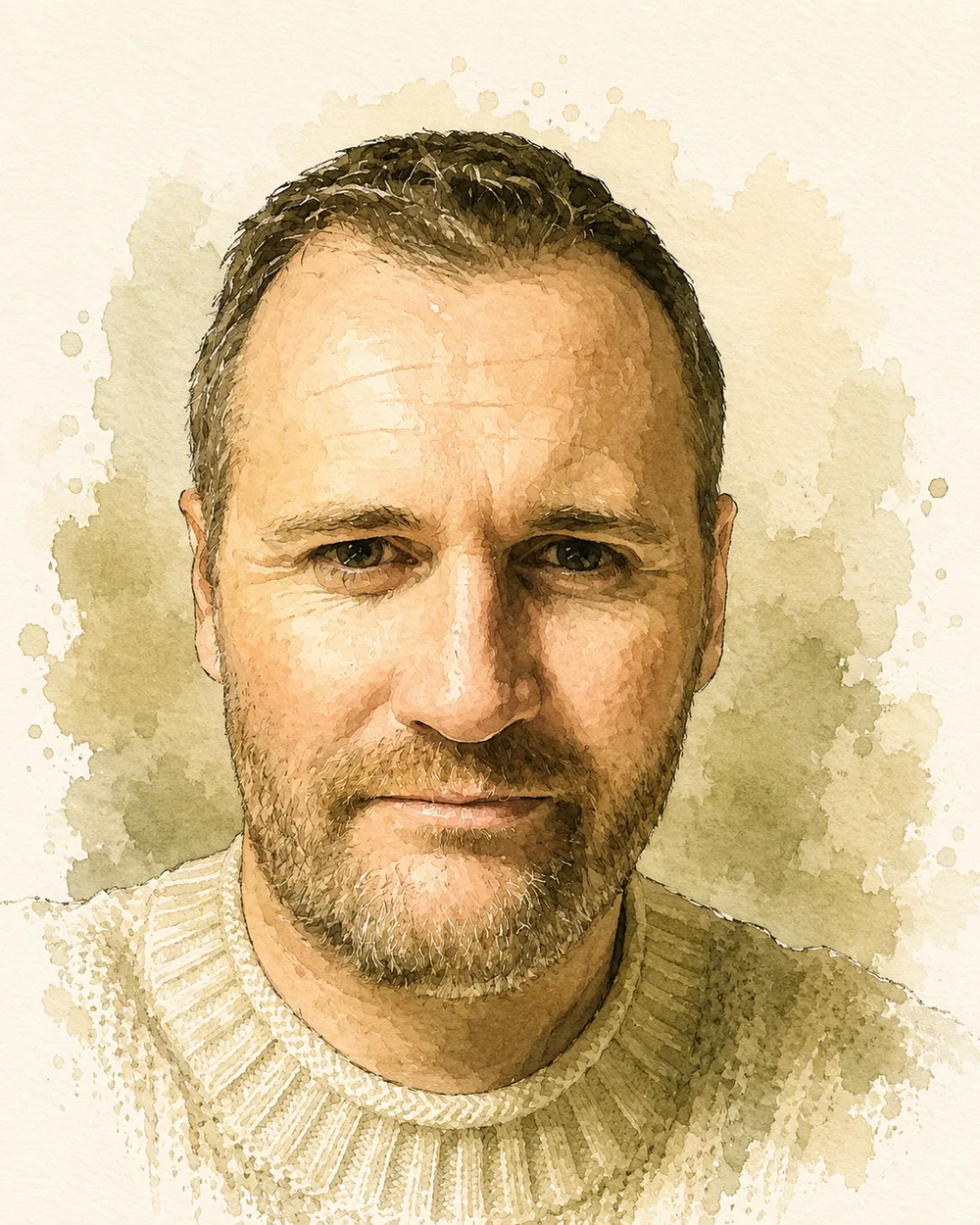
Mark
Specialist dyslexia assessor and founder of Defining Dyslexia
Mark is a qualified teacher and specialist assessor who has worked across mainstream and SEND education, including as a SENCo. He holds an Assessment Practising Certificate and is a member of PATOSS, and he carries out every Defining Dyslexia assessment personally, from the first conversation through to talking the report through with you.
- PATOSS member
- Assessment Practising Certificate
- PGCE
- NASENCo
- CPT3A
- PgDip SpLD
About Defining Dyslexia
Diagnostic dyslexia assessments for children, adults and students
Defining Dyslexia provides full diagnostic SpLD assessments for children, adults and university and college students. Face-to-face assessments are available in Sheffield and South Yorkshire, Peterborough and Cambridgeshire, and Stamford and Rutland, with remote assessments available UK-wide. Every assessment includes time to talk through the findings together, so you leave with a clear understanding of the results rather than a document to decipher alone.
If you have questions, or you are wondering whether an assessment might be the right next step, a free 15-minute telephone call is available with no obligation.