
How to Choose a Dyslexia Assessor: 8 Things Every Parent and Adult Should Check
If you have decided to book a dyslexia assessment, you may be wondering how to choose the right assessor. A quick online search often brings up dozens of providers, all offering similar…
By Mark, specialist dyslexia assessor
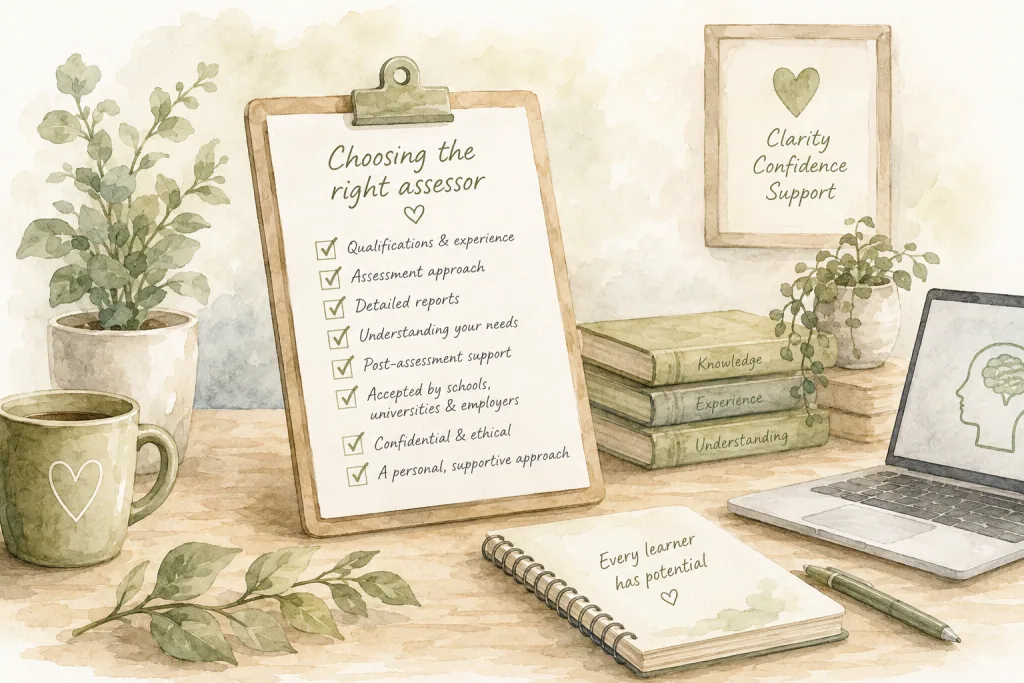
If you have decided to book a dyslexia assessment, you may be wondering how to choose the right assessor. A quick online search often brings up dozens of providers, all offering similar services at different prices. It can be difficult to know what really matters.
Whilst cost is naturally an important consideration, it should not be the only factor. A diagnostic assessment is an investment in understanding strengths, identifying difficulties, and receiving practical recommendations that can make a real difference at school, university, work, and in everyday life.
Here are eight important things to consider before booking an assessment.
1\. Is the assessor appropriately qualified?
One of the first things to check is the assessor’s qualifications and professional registration.
In the UK, many diagnostic dyslexia assessments are completed by assessors who hold an Assessment Practising Certificate (APC). This demonstrates that they have completed specialist training and continue to meet professional standards through ongoing professional development.
Do not be afraid to ask about qualifications. A reputable assessor will be happy to explain their experience and professional background.
2\. Does the report meet current standards?
A good assessment is about far more than completing a series of tests.
The report should provide a detailed analysis of strengths and areas of difficulty, explain what the results mean, and include personalised recommendations that can be put into practice immediately.
For many families, the report may also need to be accepted by schools, colleges, universities, employers, or awarding bodies. It is therefore worth checking that the assessor produces reports that meet current professional expectations.
3\. Does the assessor have experience with your situation?
Assessing a seven-year-old child is very different from assessing a university student or an adult in employment.
Look for someone with experience working with people in circumstances similar to yours. This helps ensure that both the assessment and the recommendations are relevant to your individual needs.
4\. Are recommendations personalised?
The assessment should not end with a diagnosis.
A high-quality report should explain practical strategies that can help at home, in education, or in the workplace. These recommendations should be tailored to the individual rather than copied from a standard template.
A high-quality report should explain practical strategies that can help at home, in education, or in the workplace.
5\. Can you ask questions afterwards?
Receiving a diagnostic report can feel overwhelming at first.
Many people find it helpful to talk through the results, ask questions, and discuss what happens next. Before booking, ask whether post-assessment guidance or follow-up support is included.
6\. Are the costs transparent?
The cheapest assessment is not always the best value.
When comparing providers, check exactly what is included within the quoted fee.
For example:
- Is the report included?
- Are recommendations included?
- Is feedback included?
- Are there additional charges?
- How long will the report take?
Knowing this information beforehand helps you compare providers fairly.
7\. How long will everything take?
Some assessments can be arranged quickly, whilst reports may take several weeks to complete.
If you need a report before a school transition, university deadline, or workplace meeting, it is worth asking about current turnaround times before booking.
8\. Do you feel comfortable with the assessor?
Perhaps the most important question of all is whether you feel listened to.
A dyslexia assessment should be supportive rather than intimidating. You should feel able to ask questions, discuss concerns, and understand the assessment process from beginning to end.
A good assessor will take the time to understand your experiences, explain the findings clearly, and ensure you leave with practical advice for moving forward.
Download Our Free Checklist
Choosing an assessor can feel overwhelming, particularly if this is your first assessment.
To make things easier, we have created a free checklist that highlights the key questions to ask before booking.
Whether you are looking for an assessment for your child or for yourself as an adult, it provides a simple guide to help you compare providers and make an informed decision.
A final word
Choosing an assessor may at first glance seem difficult, but it is personal choice. Trust that gut!
Frequently asked questions
What qualification should a dyslexia assessor hold?
In the UK, many diagnostic dyslexia assessments are completed by assessors who hold an Assessment Practising Certificate (APC), which shows they have completed specialist training and continue to meet professional standards through ongoing professional development.
Is the cheapest assessment the best value?
Not necessarily. Check exactly what the quoted fee includes: the report, the recommendations, feedback, any additional charges and the turnaround time. Knowing this beforehand lets you compare providers fairly.
Can I ask questions after the assessment?
Ask before booking whether post-assessment guidance or follow-up support is included. Many people find it helpful to talk through the results, ask questions and discuss what happens next.
About Defining Dyslexia and the author
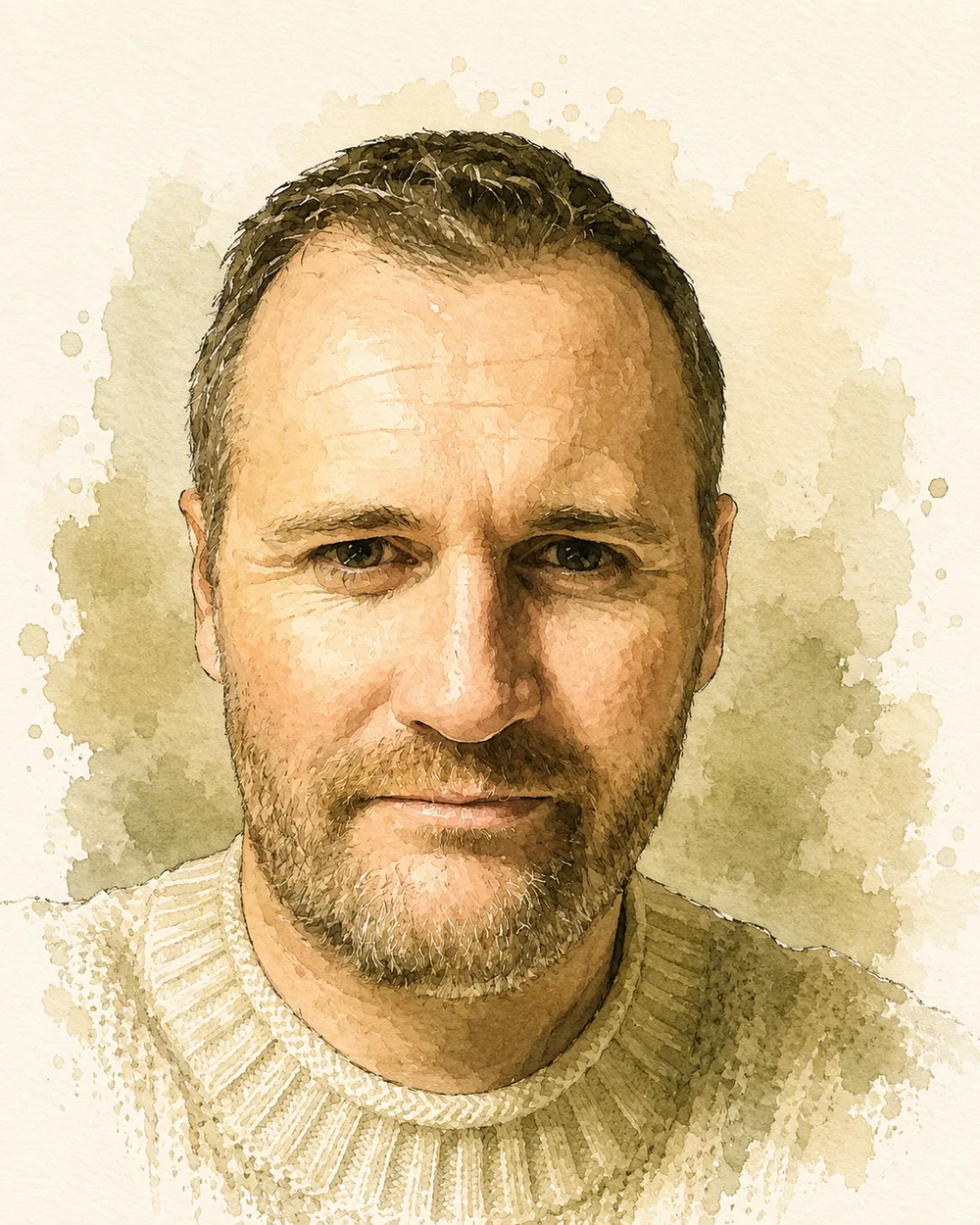
About the author
Mark
Specialist dyslexia assessor and founder of Defining Dyslexia
Mark is a qualified teacher and specialist assessor who has worked across mainstream and SEND education, including as a SENCo. He holds an Assessment Practising Certificate and is a member of PATOSS, and he carries out every Defining Dyslexia assessment personally, from the first conversation through to talking the report through with you.
- PATOSS member
- Assessment Practising Certificate
- PGCE
- NASENCo
- CPT3A
- PgDip SpLD
About Defining Dyslexia
Diagnostic dyslexia assessments for children, adults and students
Defining Dyslexia provides full diagnostic SpLD assessments for children, adults and university and college students. Face-to-face assessments are available in Sheffield and South Yorkshire, Peterborough and Cambridgeshire, and Stamford and Rutland, with remote assessments available UK-wide. Every assessment includes time to talk through the findings together, so you leave with a clear understanding of the results rather than a document to decipher alone.
If you have questions, or you are wondering whether an assessment might be the right next step, a free 15-minute telephone call is available with no obligation.