
Mock exams are approaching: is your child getting the support they need?
Mock exams can show where the real barriers appear under timed conditions. Here is why a dyslexia diagnosis does not automatically mean extra time, and how understanding a young person's learning profile helps more.
By Mark, specialist dyslexia assessor

As the autumn term gets underway, mock exams can suddenly feel much closer.
For many young people, mocks are not simply about testing what they know. They can also highlight the barriers that appear when they have to demonstrate that knowledge under timed examination conditions.
A young person might understand a subject well but struggle to finish papers. They might read accurately but need longer to process written information. They may find handwriting increasingly difficult as an exam progresses, or discover that trying to work quickly significantly affects their accuracy.
For parents, this can understandably lead to one particular question:
That can be an important question. However, it is often more helpful to start somewhere slightly different:
Dyslexia does not automatically mean extra time
One important misconception is that receiving a diagnosis of dyslexia automatically means that a young person will receive 25% extra time in examinations.
It does not.
A young person can have dyslexia without needing or qualifying for extra time. Dyslexia affects people differently, and two young people with the same diagnosis may have very different profiles and support needs.
Similarly, extra time is only one possible access arrangement. It may be extremely helpful for some learners, while for others a different form of support may be more appropriate. Our exam access arrangements guide explains how these decisions are actually made.
The purpose should therefore not be to obtain extra time simply because a young person has dyslexia. It should be to understand the barriers they experience and identify appropriate support.
What can a dyslexia assessment tell us?
A diagnostic dyslexia assessment looks at much more than whether somebody meets the criteria for dyslexia.
It builds a detailed picture of how that individual learns.
This can include areas such as literacy skills, reading fluency, spelling, phonological processing and aspects of memory. It also considers strengths within the learner's wider profile.
This information remains valuable regardless of the eventual diagnostic outcome.
An assessment may help explain why a young person is finding particular aspects of learning difficult. It can also provide recommendations about strategies and support that may help at school, at home and when preparing for examinations.
Sometimes the findings may indicate that additional time could be a supportive factor. In other cases, the profile may not suggest that extra time is the most appropriate response.
The important question is not simply: "Do they have dyslexia?" It is also: "How do they learn, where are the barriers and what might help?"

Sometimes the findings may indicate that additional time could be a supportive factor.
The value of an assessment is not measured in extra minutes
For some families, access arrangements understandably become a major concern as GCSEs, A levels or other examinations approach.
The most useful support might involve a laptop, assistive technology, changes to the way information is presented, targeted literacy support or strategies for managing longer written tasks.
It might involve helping the young person understand why some tasks require more effort and which strategies make learning more manageable. There is guidance written directly for young people in Dyslexia and You.
Most importantly, it can help move the conversation away from "Why can't they do this?" towards "What is getting in the way, and what can we do differently?"
Why mock exams can be useful
Mock examinations provide an opportunity to look at what happens when a young person works under realistic examination conditions.
- Do they regularly run out of time?
- Does the quality of their work deteriorate when they try to work more quickly?
- Are they spending a significant amount of time reading and rereading questions?
- Does handwriting become difficult to maintain?
- Are existing classroom strategies still effective under examination conditions?
These observations can be useful when schools consider a young person's needs and their normal way of working.
Mocks can therefore be more than a rehearsal for the final examination. They can provide useful information about what is helping and where barriers remain.
What should parents do this autumn?
If you are concerned about how your child manages timed work or examinations, speaking with their school is a sensible starting point.
You might ask what teachers are noticing during lessons and assessments. You could also ask what support your child currently uses and whether the school has concerns about areas such as reading speed, writing, processing information or completing work within the available time.
If support or an access arrangement is being considered, the school's SENCo, learning support team or examinations team can explain the school's process.
Where appropriate, support may be trialled so that the school can understand whether it genuinely helps the young person.
Where appropriate, support may be trialled so that the school can understand whether it genuinely helps the young person.
Where does a diagnostic dyslexia assessment fit?
A diagnostic assessment can provide detailed evidence about a young person's learning profile and identify whether their pattern of strengths and difficulties is consistent with dyslexia.
It can also make recommendations about support that may be appropriate.
A diagnostic report can contribute useful information and may help inform discussions about support. However, it should not be presented as a guarantee of extra time or any particular examination arrangement.
Start with the barrier, not the arrangement
As mock exams approach, it can be tempting to start by asking whether a young person should receive extra time.
A better starting point is often: what happens when this young person has to show what they know under exam conditions?
Once we understand the barrier, we can begin thinking about the support. Sometimes that may include extra time. Sometimes it may be something completely different.
And sometimes simply understanding why learning feels harder can be an important first step. If you would like to talk it through, you are welcome to get in touch.
About Defining Dyslexia and the author
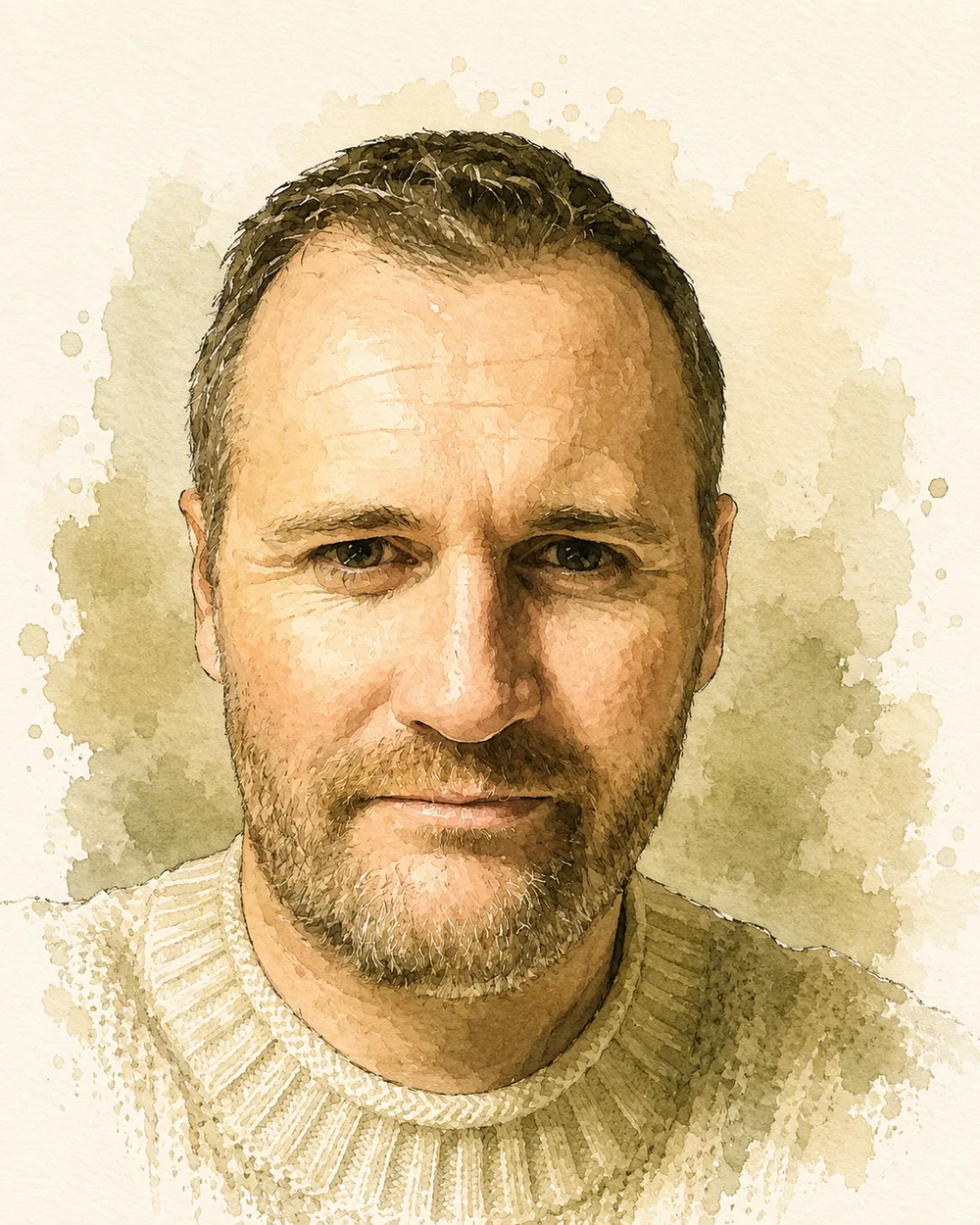
About the author
Mark
Specialist dyslexia assessor and founder of Defining Dyslexia
Mark is a qualified teacher and specialist assessor who has worked across mainstream and SEND education, including as a SENCo. He holds an Assessment Practising Certificate and is a member of PATOSS, and he carries out every Defining Dyslexia assessment personally, from the first conversation through to talking the report through with you.
- PATOSS member
- Assessment Practising Certificate
- PGCE
- NASENCo
- CPT3A
- PgDip SpLD
About Defining Dyslexia
Diagnostic dyslexia assessments for children, adults and students
Defining Dyslexia provides full diagnostic SpLD assessments for children, adults and university and college students. Face-to-face assessments are available in Sheffield and South Yorkshire, Peterborough and Cambridgeshire, and Stamford and Rutland, with remote assessments available UK-wide. Every assessment includes time to talk through the findings together, so you leave with a clear understanding of the results rather than a document to decipher alone.
If you have questions, or you are wondering whether an assessment might be the right next step, a free 15-minute telephone call is available with no obligation.