
My Child Has Been Diagnosed With Dyslexia. What Do I Tell Their School?
Getting a dyslexia diagnosis for your child is often a relief. It gives a name to something you have been noticing for a long time, and it opens the door to proper support. However, many…
By Mark, specialist dyslexia assessor

Getting a dyslexia diagnosis for your child is often a relief. It gives a name to something you have been noticing for a long time, and it opens the door to proper support. However, many parents are unsure what to do next, and particularly how to approach the conversation with school. This guide walks you through it.
Start with the report, not the label
The most important thing you can share with your child's school is not simply the word dyslexia. It is the assessment report itself. The report sets out exactly what was found, how your child's profile compares to their peers, and what kinds of support are likely to make the biggest difference. A school cannot act meaningfully on a label alone, but a well-written report gives them something concrete to work with.
Ask the school to share the report with the SENCo if you have not already done so. Additionally, ask for a meeting specifically to discuss the findings rather than relying on a brief conversation at the end of a parents' evening.
Who should be in the room
The SENCo is the most important person to speak to, as they hold responsibility for coordinating support across the school. Depending on your child's age and the complexity of their needs, it may also be worth asking for their class teacher or form tutor to be present, since they are the ones managing your child's day to day experience in the classroom.
You do not need to bring anyone with you, though you are entitled to do so if it would help you feel more confident in the meeting.
What to ask for
Go into the meeting with a clear idea of what you are hoping to achieve. Some useful questions to raise include what adjustments will be made to classroom teaching, whether your child will receive any additional literacy support, and how the school plans to monitor progress over time.
If your child is approaching GCSE examinations, it is also worth asking specifically about exam access arrangements. A formal dyslexia assessment report can provide the evidence a school needs to apply for extra time or other accommodations through the Joint Council for Qualifications process.
Managing your child's expectations
Before the school meeting, it is worth having a quiet conversation with your child about what is happening and why. Children often feel anxious about being singled out, and it helps to frame the meeting as something positive rather than something that sets them apart. You might explain that the assessment has shown exactly how their brain works, and that the school is going to use that information to make things work better for them.
Avoid making promises about specific outcomes before the meeting has taken place. Schools vary in what they can offer, and it is better to wait until you know what is actually available.
Avoid making promises about specific outcomes before the meeting has taken place.
If the school is slow to act
Most schools respond constructively when a formal assessment report is shared. However, if you feel that nothing is changing, it is reasonable to follow up in writing, summarising what was discussed in the meeting and what actions were agreed. A written record is useful if you need to escalate things further down the line.
A final word
If you remain concerned after several attempts to engage the school, your local authority's SEND Information, Advice and Support Service, known as SENDIASS, can offer free independent guidance on your rights and what schools are required to provide.
Parents often ask at this point whether they should be seeking an Education, Health and Care plan. It is worth understanding what that process actually involves first, and that a diagnosis does not lead to a plan. Our guidance on EHCPs and dyslexia sets out how SEN support works, who decides, and what a private report can and cannot do.
Walking into a school meeting with a diagnosis report can feel daunting, particularly if you are not sure what to expect. You do not have to go in without a clear picture of what you are asking for. Get in touch and we can help you feel prepared before that conversation takes place.
About Defining Dyslexia and the author
About the author
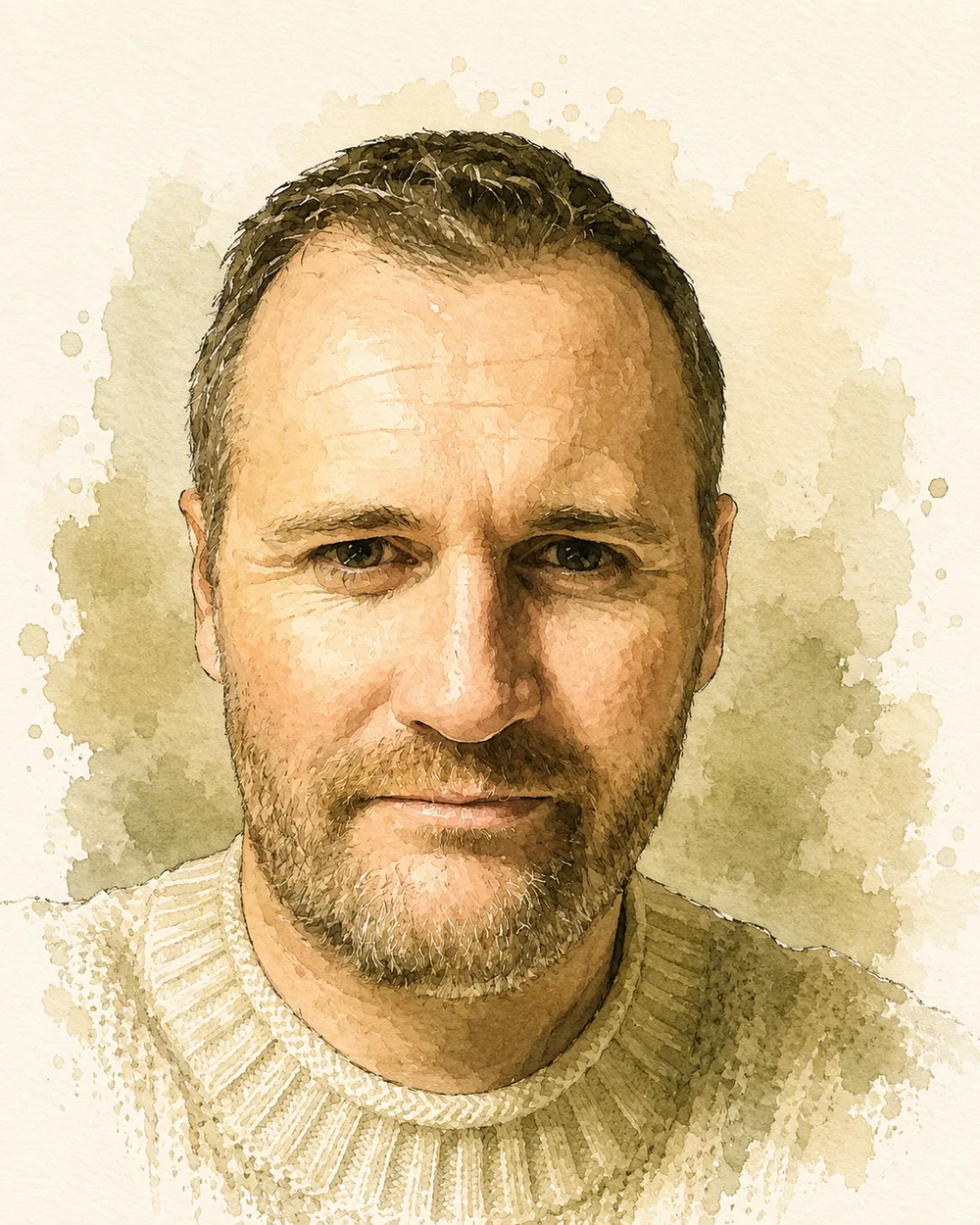
Mark
Specialist dyslexia assessor and founder of Defining Dyslexia
Mark is a qualified teacher and specialist assessor who has worked across mainstream and SEND education, including as a SENCo. He holds an Assessment Practising Certificate and is a member of PATOSS, and he carries out every Defining Dyslexia assessment personally, from the first conversation through to talking the report through with you.
- PATOSS member
- Assessment Practising Certificate
- PGCE
- NASENCo
- CPT3A
- PgDip SpLD
About Defining Dyslexia
Diagnostic dyslexia assessments for children, adults and students
Defining Dyslexia provides full diagnostic SpLD assessments for children, adults and university and college students. Face-to-face assessments are available in Sheffield and South Yorkshire, Peterborough and Cambridgeshire, and Stamford and Rutland, with remote assessments available UK-wide. Every assessment includes time to talk through the findings together, so you leave with a clear understanding of the results rather than a document to decipher alone.
If you have questions, or you are wondering whether an assessment might be the right next step, a free 15-minute telephone call is available with no obligation.