
My Child's School Says They Can't Diagnose Dyslexia: What Now?
If you've raised concerns about your child's learning and been told by the school that they can't diagnose dyslexia, you're not alone. It's one of the most common things parents hear,…
By Mark, specialist dyslexia assessor
If you've raised concerns about your child's learning and been told by the school that they can't diagnose dyslexia, you're not alone. It's one of the most common things parents hear, and whilst it's technically correct, it can feel like a door being closed when you desperately need one to open. This guide explains what it actually means, what schools can and can't do, and most importantly, what your options are from here.
Why can't schools diagnose dyslexia?
Schools can identify and support children with learning difficulties, but a formal diagnosis of dyslexia requires a specialist assessment carried out by a qualified assessor holding an Assessment Practising Certificate. Most schools do not employ someone with that qualification, and even those that do may not have the capacity to carry out full diagnostic assessments for every child who needs one.
This isn't necessarily a failing on the school's part, it's simply a reflection of how the system is structured. The responsibility for formal diagnosis sits outside the school, with specialist assessors working either independently or through local authority services.
What schools can do
Whilst schools cannot diagnose dyslexia, they do have a range of responsibilities that are worth understanding clearly. Schools are required to identify and support children with Special Educational Needs, and if your child is struggling significantly with reading, writing, or spelling, the school should already be taking steps to understand and address that.
This means putting additional support in place, monitoring progress carefully, and involving the SENCo in reviewing your child's needs. If the school has concerns about an underlying specific learning difficulty, they should be communicating those concerns to you clearly and signposting you towards next steps.
Additionally, schools can carry out dyslexia screenings, which are brief tools that flag whether further investigation is warranted. A screening is not a diagnosis, but it can be a useful first step and something worth asking your child's SENCo about if it hasn't already been done.

Additionally, schools can carry out dyslexia screenings, which are brief tools that flag whether further investigation is warranted.
What are your options as a parent?
If the school has told you they can't diagnose dyslexia, there are several routes worth considering depending on your circumstances.
The first is to request a referral through the local authority. In some areas, local authorities fund specialist assessments for children who meet certain criteria. It's worth asking your school's SENCo whether this is an option locally, though waiting times can be lengthy and not all local authorities offer this route.
The second is to seek an independent assessment privately. This is the most common route for families who want timely, clear answers. An independent assessment carried out by a PATOSS-registered or BDA-accredited assessor will produce a formal report that schools, exam boards, and universities are required to recognise and act upon.
The third option, if your child is approaching GCSE years, is to speak to the SENCo specifically about exam access arrangements. Whilst a full diagnostic assessment is the most thorough route, the SENCo can in some circumstances, apply for access arrangements using their own evidence alongside school-based assessment data.
What happens after an independent assessment?
Once you have a formal assessment report, the school's position changes significantly. They are no longer dealing with a parental concern. They have a detailed, evidence-based document produced by a qualified specialist that sets out your child's needs and makes specific recommendations for support.
Schools are required to take that evidence seriously. Most do, and many are genuinely relieved to have the clarity a good report provides. The report gives the SENCo a solid foundation for putting a proper support plan in place, and where relevant, it provides the evidence needed for exam access arrangement applications.
Don't be discouraged
It can feel deeply frustrating when school tells you they can't help with a diagnosis, particularly when you've been worried about your child for some time. However, it's worth reframing that response as the beginning of a process rather than the end of one. The school telling you they can't diagnose dyslexia is simply pointing you towards the next step, even if they haven't always been clear about what that step is.
You know your child. If something doesn't feel right, it's worth pursuing. A formal assessment gives you clarity, gives your child understanding, and gives the school the evidence it needs to support them properly.
About Defining Dyslexia and the author
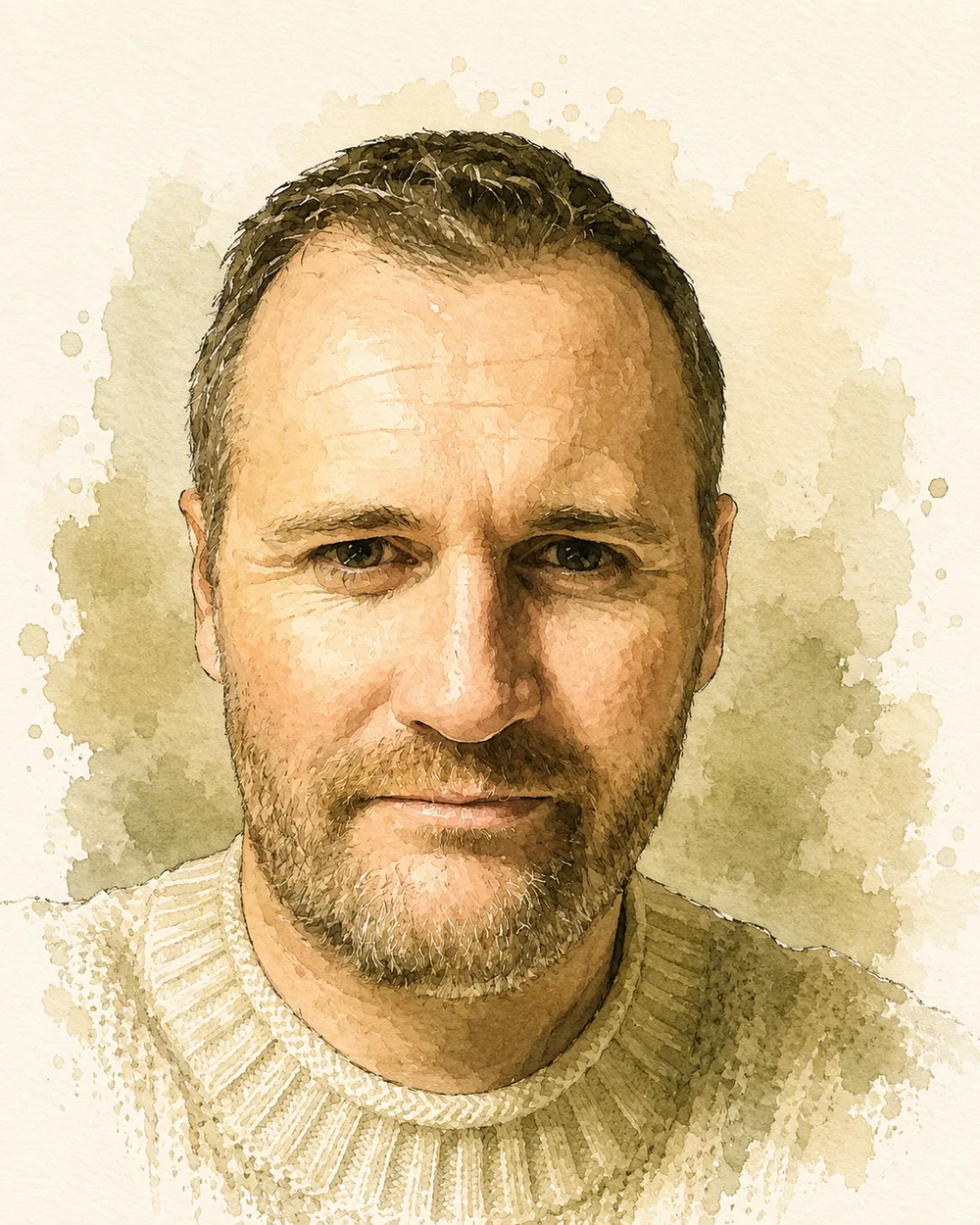
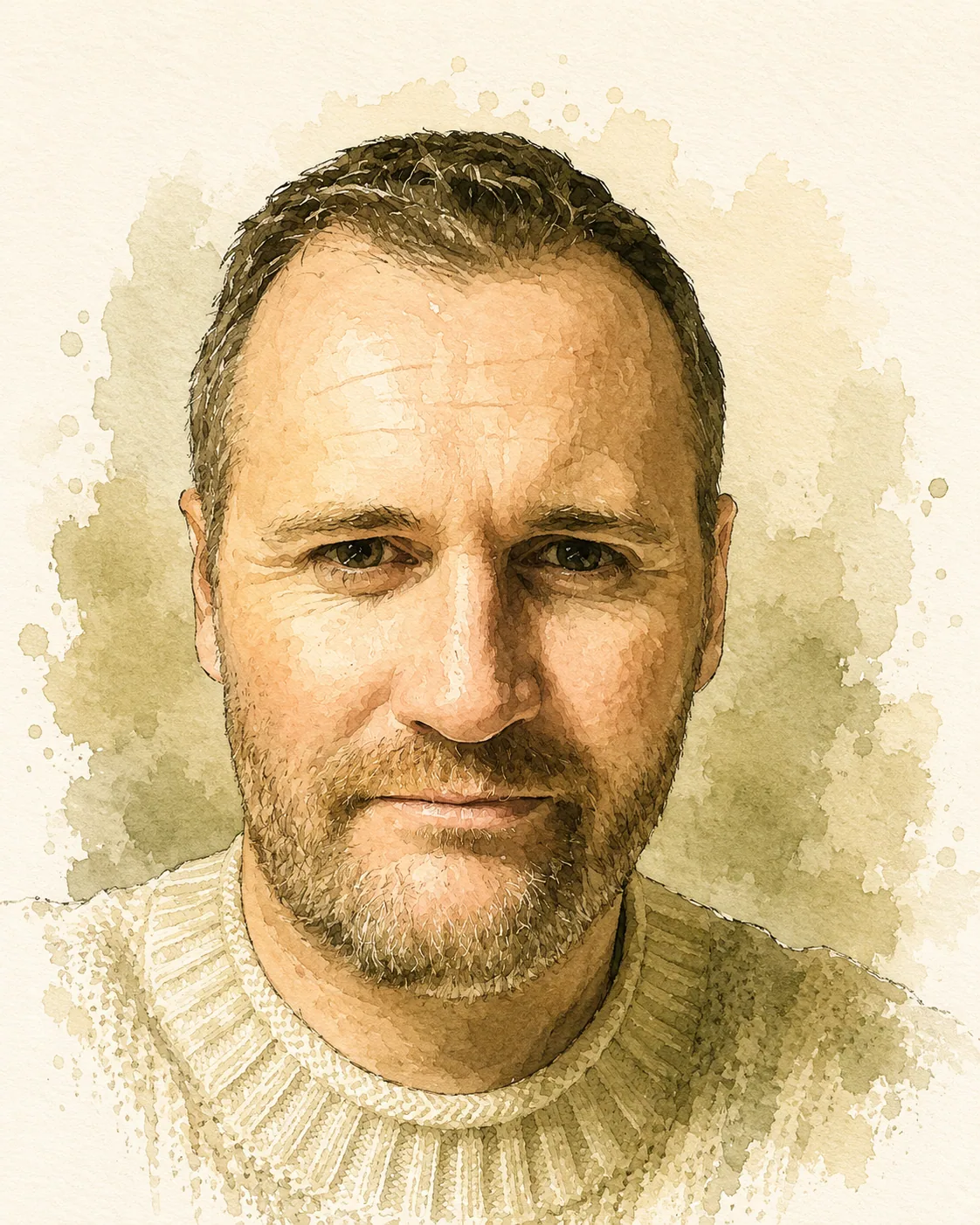
About the author
Mark
Specialist dyslexia assessor and founder of Defining Dyslexia
Mark is a qualified teacher and specialist assessor who has worked across mainstream and SEND education, including as a SENCo. He holds an Assessment Practising Certificate and is a member of PATOSS, and he carries out every Defining Dyslexia assessment personally, from the first conversation through to talking the report through with you.
- PATOSS member
- Assessment Practising Certificate
- PGCE
- NASENCo
- CPT3A
- PgDip SpLD
About Defining Dyslexia
Diagnostic dyslexia assessments for children, adults and students
Defining Dyslexia provides full diagnostic SpLD assessments for children, adults and university and college students. Face-to-face assessments are available in Sheffield and South Yorkshire, Peterborough and Cambridgeshire, and Stamford and Rutland, with remote assessments available UK-wide. Every assessment includes time to talk through the findings together, so you leave with a clear understanding of the results rather than a document to decipher alone.
If you have questions, or you are wondering whether an assessment might be the right next step, a free 15-minute telephone call is available with no obligation.