
Should I Tell My Employer I Am Dyslexic?
Disclosure is a personal decision with no single right answer. This guide sets out the reasons adults choose to share, the concerns that hold them back, and practical ways to have the conversation well.
By Mark, specialist dyslexia assessor

For some people this question is answered in an afternoon. For others it sits in the background for years. You may have known since school, or been assessed only recently. Either way, deciding whether to tell an employer is rarely just about information. It is about how you think it will be received, what you hope will change, and what you might be risking.
This article is general information rather than legal advice. If your situation is difficult or your job may be at risk, speak to a trade union representative, ACAS or a qualified adviser.
Reasons people decide to share
- They want particular adjustments, and explaining the reason makes those easier to agree.
- The difficulty is already noticeable, and they would rather it was understood accurately than guessed at.
- They are tired of compensating privately, working late and carrying the strain alone.
- A new role, a promotion or a restructure has increased the written demands.
- Appraisal or capability conversations have touched on written work.
- They want access to workplace support, such as a workplace needs assessment or Access to Work.
- They would like to be open, and to make things a little easier for others in the same position.
Reasons people hesitate, and whether they hold up
The concerns adults raise are reasonable, and they deserve a straight answer rather than reassurance.
Being seen as less capable
This is the most common worry. Many workplaces respond well, particularly when the conversation is framed around what helps you work effectively. Some respond poorly. You know your organisation, your manager and your sector better than anyone, and it is fair to weigh that up honestly.
This is the most common worry. Many workplaces respond well, particularly when the conversation is framed around what helps you work effectively.
Effects on promotion or future roles
In the UK, dyslexia may be considered a disability under the Equality Act 2010 where it has a substantial and long term adverse effect on normal day to day activities. Where that applies, protections against discrimination apply too. Protection in law does not remove every practical concern, but it does mean you are not simply relying on goodwill.
Not wanting to be defined by it
You can share the parts that matter for your work without your whole identity being reframed. Many adults keep the conversation firmly practical for exactly this reason.
Worry that nothing will change
This is worth taking seriously. If disclosure is unlikely to lead to anything useful, it is fair to ask what you actually want from it. Going in with two or three specific requests usually produces a better outcome than a general announcement.
Choosing who to speak to
You do not have to tell everyone, and you can choose the route that suits your workplace.
- Your line manager, if the relationship is good and the adjustments are day to day ones they control.
- HR, where you want it recorded formally, where your manager is part of the difficulty, or where the organisation is large and process driven.
- Occupational health, often through a referral, where an independent view on adjustments would help.
- A trade union representative, for advice first and support in the meeting if you want it.
- A trusted senior colleague or mentor, simply to think it through before deciding.
It is reasonable to ask that the information is shared only with those who need to know in order to put support in place. Health related information should be handled with appropriate confidentiality, and you can say plainly what you are and are not comfortable being passed on.
How much to share, and what about the report
There is an important difference between saying you have been diagnosed with dyslexia and handing over a full diagnostic report.
A diagnostic report is a detailed personal document. It contains test scores, background history and sometimes sensitive information that has little bearing on your job. You are not usually required to hand the whole thing over. Many adults share the conclusion and the recommendations section, or a short summary letter, and keep the rest private.
A practical middle path is to write a short paragraph of your own covering three things: that you have been diagnosed with dyslexia, how it affects your work in concrete terms, and the two or three adjustments you would find most useful. That gives your employer what they need to act on.
A diagnostic report is a detailed personal document.
How to raise the subject
Ask for a short private conversation rather than raising it in passing or at the end of a meeting about something else. A brief message beforehand helps.
Then name the specific things. For example, receiving meeting papers a day in advance, having instructions confirmed in writing after a verbal briefing, using text to speech and dictation software, or having a colleague proofread external documents. Concrete requests are far easier to say yes to than a general discussion of difficulty.
If the response is lukewarm, it is reasonable to ask what would help the organisation consider it, such as an occupational health referral or a workplace needs assessment.
Recording what is agreed
Whatever is agreed, put it in writing. A short email summarising the conversation is enough, and it protects everyone.
- What was discussed and when.
- Which adjustments were agreed, in specific terms.
- Who is responsible for arranging each one, and by when.
- Anything that was declined, and the reason given.
- A date to review how the adjustments are working.
Some organisations use a formal document, sometimes called a workplace adjustment passport, which travels with you if your manager changes. If yours has one, it is worth using. Our full guide to reasonable adjustments for dyslexia at work sets out what can be requested and how reasonableness is judged.
When an assessment may help
You do not need a diagnosis to ask for support, and many adjustments cost nothing and are simply good management. An assessment can still help if you want to understand your own profile properly, if your employer has asked for evidence, or if you are applying for support that requires it.
If you are weighing it up, our pages on adult dyslexia assessments and dyslexia at work explain what is involved. A free 15-minute telephone call is available if you would rather talk it through first. There is no obligation and no pressure to book anything.
Related guides
Frequently asked questions
Do I have to tell my employer I am dyslexic?
In most roles there is no general duty to disclose. Some safety critical or regulated roles have specific health declaration requirements, so it is worth checking your contract and any professional obligations. Otherwise the decision is yours.
Is dyslexia covered by the Equality Act 2010?
Dyslexia may be considered a disability under the Equality Act 2010 where it has a substantial and long term adverse effect on a person's ability to carry out normal day to day activities. Whether that applies depends on the individual circumstances, so this is general information rather than legal advice.
Do I have to give my employer the whole assessment report?
Usually not. Many adults share the conclusion and recommendations, or a short summary, rather than the full document. If your employer asks for more, you can ask what specifically they need it for and why.
Should I tell an employer before I am offered the job?
That is entirely your decision. Some people prefer to disclose after an offer is made, when they can discuss adjustments for the role itself. You can also request adjustments for the recruitment process without giving a full account of your diagnosis.
What if my employer reacts badly?
Keep a written record of what was said and what you requested. Speak to HR, a trade union representative or ACAS for advice. Where dyslexia meets the Equality Act definition of disability, an employer has duties that go beyond goodwill.
About Defining Dyslexia and the author
About the author
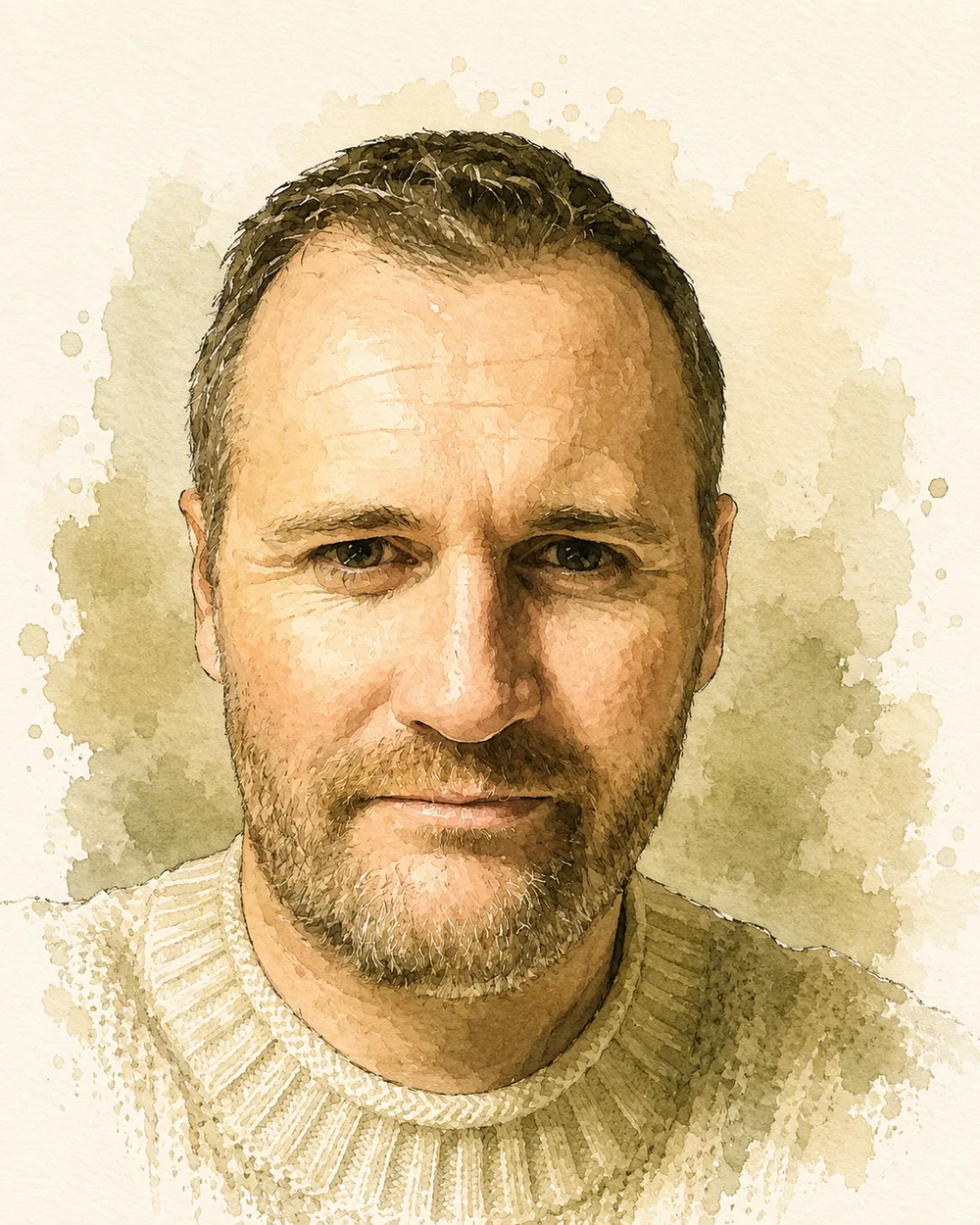
Mark
Specialist dyslexia assessor and founder of Defining Dyslexia
Mark is a qualified teacher and specialist assessor who has worked across mainstream and SEND education, including as a SENCo. He holds an Assessment Practising Certificate and is a member of PATOSS, and he carries out every Defining Dyslexia assessment personally, from the first conversation through to talking the report through with you.
- PATOSS member
- Assessment Practising Certificate
- PGCE
- NASENCo
- CPT3A
- PgDip SpLD
About Defining Dyslexia
Diagnostic dyslexia assessments for children, adults and students
Defining Dyslexia provides full diagnostic SpLD assessments for children, adults and university and college students. Face-to-face assessments are available in Sheffield and South Yorkshire, Peterborough and Cambridgeshire, and Stamford and Rutland, with remote assessments available UK-wide. Every assessment includes time to talk through the findings together, so you leave with a clear understanding of the results rather than a document to decipher alone.
If you have questions, or you are wondering whether an assessment might be the right next step, a free 15-minute telephone call is available with no obligation.