
What Happens If My Child's Assessment Doesn't Find Dyslexia?
It helps to understand what a formal assessment actually measures. It looks closely at reading, spelling, memory, and processing speed, alongside several other cognitive areas. Dyslexia…
By Mark, specialist dyslexia assessor

A negative result is not a dead end
It helps to understand what a formal assessment actually measures. It looks closely at reading, spelling, memory, and processing speed, alongside several other cognitive areas. Dyslexia is identified when a specific pattern emerges within that profile. If that pattern is not present, it simply means dyslexia is not the explanation, not that there is no explanation at all.
A thorough assessment report still gives you a great deal. It shows where a child's genuine strengths and difficulties lie, even without a dyslexia identification. That information has real value for understanding how your child learns best.
What the report can still tell you
Even without a dyslexia diagnosis, a good assessment report can point towards other explanations worth exploring. Sometimes the profile suggests another specific learning difficulty, such as dyspraxia or dyscalculia. Sometimes it points towards attention or processing differences linked to ADHD. Sometimes the difficulties are connected to anxiety, or to gaps in earlier teaching rather than a learning difference at all.
A registered assessor should always explain these possibilities clearly, along with any onward referral routes that might be worth considering. The report should never simply close the door without pointing somewhere next.
Sitting with the disappointment
It is completely normal to feel deflated after a result like this. Many parents have spent months, sometimes years, advocating for their child, and a negative result can feel like that effort was somehow wasted. It was not. Pursuing an assessment was the right thing to do, and the clarity you have gained is valuable, even if it looks different to what you expected.
Try to give yourself, and your child, a little time to process the result before deciding what comes next. There is no need to rush into another round of testing straight away.
Talking to your child about the result
How you talk to your child about this result matters. Avoid framing it as good news or bad news. Instead, try focusing on what was learned. You might say something like, the assessment showed us exactly how you learn best, and that is going to help your teachers support you properly.
Children often take their emotional cue from how a parent reacts. If you can stay calm and curious rather than disappointed, your child is more likely to feel the same way.
Children often take their emotional cue from how a parent reacts.
What to do next
Once you have the report, the most useful next step is usually a conversation with your child's school. Share the findings with the SENCo, and ask how the recommendations in the report can be built into everyday classroom support, even without a formal diagnosis.
If the report has pointed towards another area worth exploring, such as ADHD or dyspraxia, it is worth discussing the most appropriate next step with your assessor. Sometimes that means a different kind of assessment. Sometimes it means simply monitoring things for a while longer.
Above all, remember that a report is not the end of the conversation. It is a tool. Used well, it can still open doors, even when the original question it set out to answer comes back as no.
A final word
At Defining Dyslexia, every assessment is approached with complete honesty about what the evidence shows, whatever that turns out to be. If dyslexia is not identified, we take time to explain what the results do show, and what options might be worth exploring next.
If you have questions about an assessment result, or you are wondering what your next step should be, we are happy to talk it through with you.
About Defining Dyslexia and the author
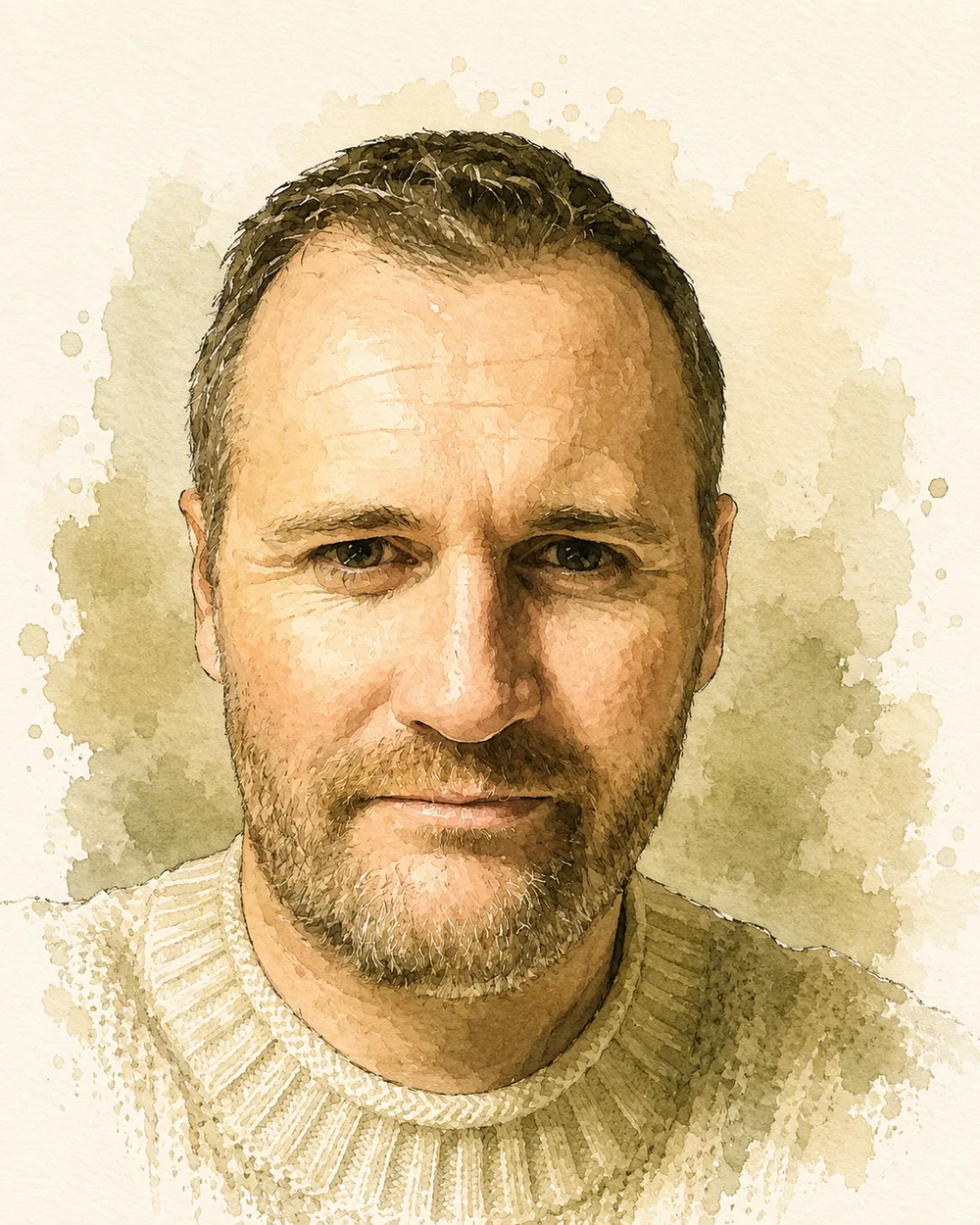
About the author
Mark
Specialist dyslexia assessor and founder of Defining Dyslexia
Mark is a qualified teacher and specialist assessor who has worked across mainstream and SEND education, including as a SENCo. He holds an Assessment Practising Certificate and is a member of PATOSS, and he carries out every Defining Dyslexia assessment personally, from the first conversation through to talking the report through with you.
- PATOSS member
- Assessment Practising Certificate
- PGCE
- NASENCo
- CPT3A
- PgDip SpLD
About Defining Dyslexia
Diagnostic dyslexia assessments for children, adults and students
Defining Dyslexia provides full diagnostic SpLD assessments for children, adults and university and college students. Face-to-face assessments are available in Sheffield and South Yorkshire, Peterborough and Cambridgeshire, and Stamford and Rutland, with remote assessments available UK-wide. Every assessment includes time to talk through the findings together, so you leave with a clear understanding of the results rather than a document to decipher alone.
If you have questions, or you are wondering whether an assessment might be the right next step, a free 15-minute telephone call is available with no obligation.