What If It Isn't Dyslexia? What a Formal Assessment Really Tells You
One of the questions parents ask most often before booking an assessment is a quietly anxious one. What if it comes back and there's nothing there? What if we've worried all this time…
By Mark, specialist dyslexia assessor

One of the questions parents ask most often before booking an assessment is a quietly anxious one. What if it comes back and there's nothing there? What if we've worried all this time and the assessment says everything is fine? This guide addresses that question honestly, and explains why a formal SpLD assessment is valuable regardless of what the outcome turns out to be.
An assessment isn't just a yes or no test
There's a common misconception that a dyslexia assessment exists simply to confirm or rule out dyslexia. In reality, a good formal assessment is something far more comprehensive than that. It's an in depth exploration of how a person thinks, processes information, reads, writes, spells, and retains what they've learned. The question it's really answering isn't just "does this person have dyslexia?", it's "what is actually going on here, and what does this person need?"
That distinction matters enormously. Because whatever the outcome, a thorough assessment always produces something genuinely useful, either a clear diagnosis that opens doors to support, or a detailed profile that explains the difficulties and points clearly towards what will help.
What if the assessment doesn't find dyslexia?
A result that doesn't confirm dyslexia is not a negative result. It's simply a more specific answer. If the difficulties your child has been experiencing aren't primarily driven by dyslexia, a thorough assessment will typically reveal what is driving them instead.
That might be another SpLD within the broader family of specific learning difficulties. Dyspraxia, also known as Developmental Coordination Disorder, can affect organisation, motor skills, and written expression in ways that look similar to dyslexia on the surface. Dyscalculia affects the processing of numerical information. ADHD affects attention, working memory, and impulse control, all of which have a significant impact on learning. Dysgraphia specifically affects the physical process of writing. Any of these can be present alongside dyslexia, or independently of it, and a good assessment will pick up on indicators across all of these areas.
Additionally, some children's difficulties are better explained by other factors such as working memory weaknesses, processing speed difficulties, or language based challenges that don't meet the threshold for a specific diagnosis but are nonetheless real, significant, and highly relevant to how that child should be supported.
What if the assessment finds nothing significant at all?
For a small number of children, a thorough assessment finds no significant underlying difficulty. For parents who have been worried and have invested both emotionally and financially in getting answers, that can initially feel deflating. However, it's worth reframing what that result actually means.
For a small number of children, a thorough assessment finds no significant underlying difficulty.
Firstly, it rules out a significant underlying difficulty, which is genuinely valuable information. Secondly, it typically still produces a detailed profile of how the child processes information, which can inform teaching and support even in the absence of a diagnosis. Thirdly, and perhaps most importantly, it gives the child themselves clarity, and for many children, understanding that there isn't a hidden barrier they've been missing can be its own form of reassurance.
It's also worth noting that if a child continues to struggle significantly despite a clear assessment, that itself is important information that warrants further investigation rather than simply being set aside.
The assessment as the beginning of a conversation
One of the most useful ways to think about a formal assessment is not as an endpoint but as the beginning of a more informed conversation. Whatever the outcome, a good assessment report gives parents, schools, and the child themselves a much clearer picture to work from than they had before.
If dyslexia is identified, that picture includes a detailed breakdown of the specific nature of the difficulty, the areas of strength to build on, and clear recommendations for support. If another SpLD is identified, it opens up a new and often more productive conversation about what support looks like for that specific difficulty. If no diagnosis is reached but difficulties are still present, the profile the assessment produces gives schools and specialists a far better basis for understanding and addressing those difficulties than a vague sense that something isn't quite right.
In every case, the family leaves with more than they came with. That is always the point.
What about reassurance assessments?
Some families come to an assessment not because they are certain something is wrong, but because they want to understand their child better or rule out concerns before they escalate. This is an entirely valid reason to seek an assessment, and the outcome is just as valuable. Knowing clearly that a child's profile is within the expected range, or understanding precisely where their particular strengths and weaknesses lie, is useful information for any parent who wants to support their child as effectively as possible.
Additionally, for children who have been struggling emotionally alongside their academic difficulties, an assessment that provides a clear and honest picture (whatever that picture shows) can in itself be a source of relief and a platform for rebuilding confidence.
Why the quality of the assessment matters
Not all assessments are equal. A thorough, properly conducted SpLD assessment carried out by a qualified and experienced assessor looks across multiple areas of cognitive processing, considers the full context of a child's history and presenting difficulties, and produces a report that reflects genuine professional judgement rather than simply a set of scores.
This is why it matters to choose an assessor who holds a current Assessment Practising Certificate and is registered with a recognised professional body such as PATOSS or the BDA. An assessment of this quality will always find something meaningful, even when the answer isn't the one the family was expecting.
About Defining Dyslexia and the author
About the author
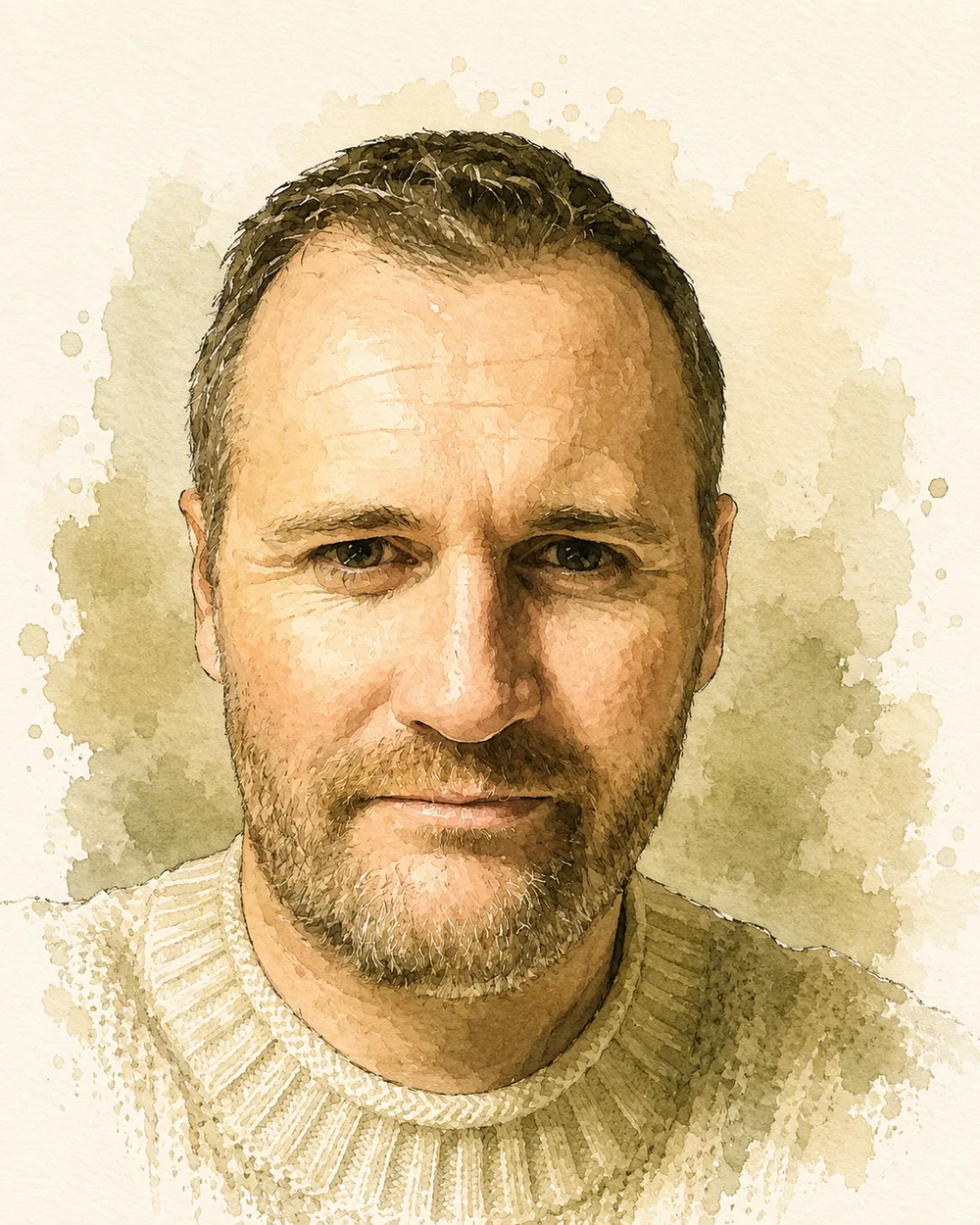
Mark
Specialist dyslexia assessor and founder of Defining Dyslexia
Mark is a qualified teacher and specialist assessor who has worked across mainstream and SEND education, including as a SENCo. He holds an Assessment Practising Certificate and is a member of PATOSS, and he carries out every Defining Dyslexia assessment personally, from the first conversation through to talking the report through with you.
- PATOSS member
- Assessment Practising Certificate
- PGCE
- NASENCo
- CPT3A
- PgDip SpLD
About Defining Dyslexia
Diagnostic dyslexia assessments for children, adults and students
Defining Dyslexia provides full diagnostic SpLD assessments for children, adults and university and college students. Face-to-face assessments are available in Sheffield and South Yorkshire, Peterborough and Cambridgeshire, and Stamford and Rutland, with remote assessments available UK-wide. Every assessment includes time to talk through the findings together, so you leave with a clear understanding of the results rather than a document to decipher alone.
If you have questions, or you are wondering whether an assessment might be the right next step, a free 15-minute telephone call is available with no obligation.