
What Is DSA and How Does It Help Students with Dyslexia?
If you are a student with dyslexia, or the parent of one heading to university, you may have come across the term DSA. It is one of the most significant sources of support available, and…
By Mark, specialist dyslexia assessor

If you are a student with dyslexia, or the parent of one heading to university, you may have come across the term DSA. It is one of the most significant sources of support available, and one of the most underused, largely because many students simply do not know it exists.
This post explains what DSA is, what it can fund, and how to go about applying.
What Is DSA?
DSA stands for Disabled Students' Allowance. It is a government grant available to eligible students in higher education in England. Similar schemes exist in Scotland, Wales, and Northern Ireland, each with their own application processes.
DSA is designed to cover the additional costs that arise directly from a disability or SpLD, costs that other students do not face. Additionally, it is not means-tested, so your household income does not affect whether you receive it. It does not have to be repaid.
Who Can Apply for DSA?
To be eligible, you must be a UK student studying an eligible higher education course. You must also have a disability, long-term health condition, mental health condition, or SpLD such as dyslexia, dyspraxia, or ADHD.
Additionally, you must be receiving, or be eligible for, student finance. Part-time students may also be eligible, depending on their circumstances.
What Can DSA Fund?
DSA does not provide a fixed cash sum. Instead, it funds specific support based on an individual needs assessment. The following areas are commonly funded.
Specialist Equipment
This is one of the most significant elements of DSA for students with dyslexia. Funded equipment can include a laptop or tablet with pre-installed assistive software, text-to-speech programmes such as Read&Write, speech-to-text software, and mind-mapping tools to support planning and organisation.
Equipment funded through DSA belongs to you for the duration of your studies.
Specialist Mentoring
A DSA-funded specialist mentor can support you with the broader challenges of university life. This includes organisation, managing workload, processing complex academic texts, and developing effective study strategies. Additionally, mentoring is separate from academic tutoring. It focuses on how you learn, not what you learn.
Study Skills Tuition
Specialist study skills tuition, delivered by someone trained in SpLDs, can be funded through DSA. Sessions typically cover note-taking, essay planning, reading strategies, and time management. This is distinct from general university study support and is tailored specifically to your learning profile.
Specialist study skills tuition, delivered by someone trained in SpLDs, can be funded through DSA.
Non-Medical Helper Allowance
Where appropriate, DSA can fund practical human support such as a note-taker or library assistant. This is assessed on an individual basis and is more common where difficulties are significant.
How Do I Apply for DSA?
The application process involves several stages, but it is straightforward once you know the steps.
Step one, apply through Student Finance England (or the equivalent body in your nation). You can do this at the same time as applying for your student loan, or at any point during your studies.
Step two, provide evidence of your SpLD. A formal assessment report from a qualified specialist is required. Additionally, most funding bodies specify that reports must meet certain standards, so it is worth checking what is required before submitting.
Step three, attend a Study Needs Assessment. If your application is approved, you will be referred to an independent assessor who will review your needs and recommend appropriate support. This appointment is free and takes place either in person or remotely.
Step four, receive your DSA award letter. This outlines what support has been approved and how it will be provided or funded.
Do I Need a Recent Assessment Report?
Yes, in most cases. Student Finance England requires evidence of your SpLD, and older reports may not meet current standards. If your assessment was carried out in childhood and is now several years old, you may need an updated report.
Additionally, a current report is more likely to capture an accurate picture of your needs as an adult learner, which can strengthen your DSA application.
What If I Was Never Formally Assessed?
It is not too late. Many students reach university without ever having received a formal diagnosis. A formal assessment carried out now can provide the evidence needed for DSA, as well as for university exam arrangements and other adjustments.
Some universities have bursaries or hardship funds to help cover assessment costs where students cannot afford them. Additionally, it is worth asking the university's disability service what options are available.
Is DSA the Same as University Disability Support?
No. They are separate, though they work alongside each other. University disability support is provided directly by the institution and includes adjustments such as extra time in exams and extended deadlines. DSA is government-funded and covers costs outside what the university provides.
Additionally, you can access university support without DSA, and DSA without having yet engaged with your university's disability service, though engaging with both is usually the most effective approach.
A Final Word
DSA exists because studying with dyslexia carries real additional costs, in time, effort, and resources. It is not a concession or a shortcut. It is a recognition that equal access to education sometimes requires additional support.
If you are eligible, applying is always worthwhile. The support it unlocks can be genuinely transformative.
At Defining Dyslexia, I work with students and adults who are at every stage of this process, from first suspecting dyslexia to preparing a report for a DSA application. A thorough, clearly written assessment report can make a real difference to the support you can access. Face-to-face appointments are available across Sheffield and South Yorkshire, and across Peterborough and Cambridgeshire, with remote assessments available nationwide.
If any of this sounds familiar, it's worth getting in touch. Sometimes the most important thing is simply having someone take the whole picture seriously.
About Defining Dyslexia and the author
About the author
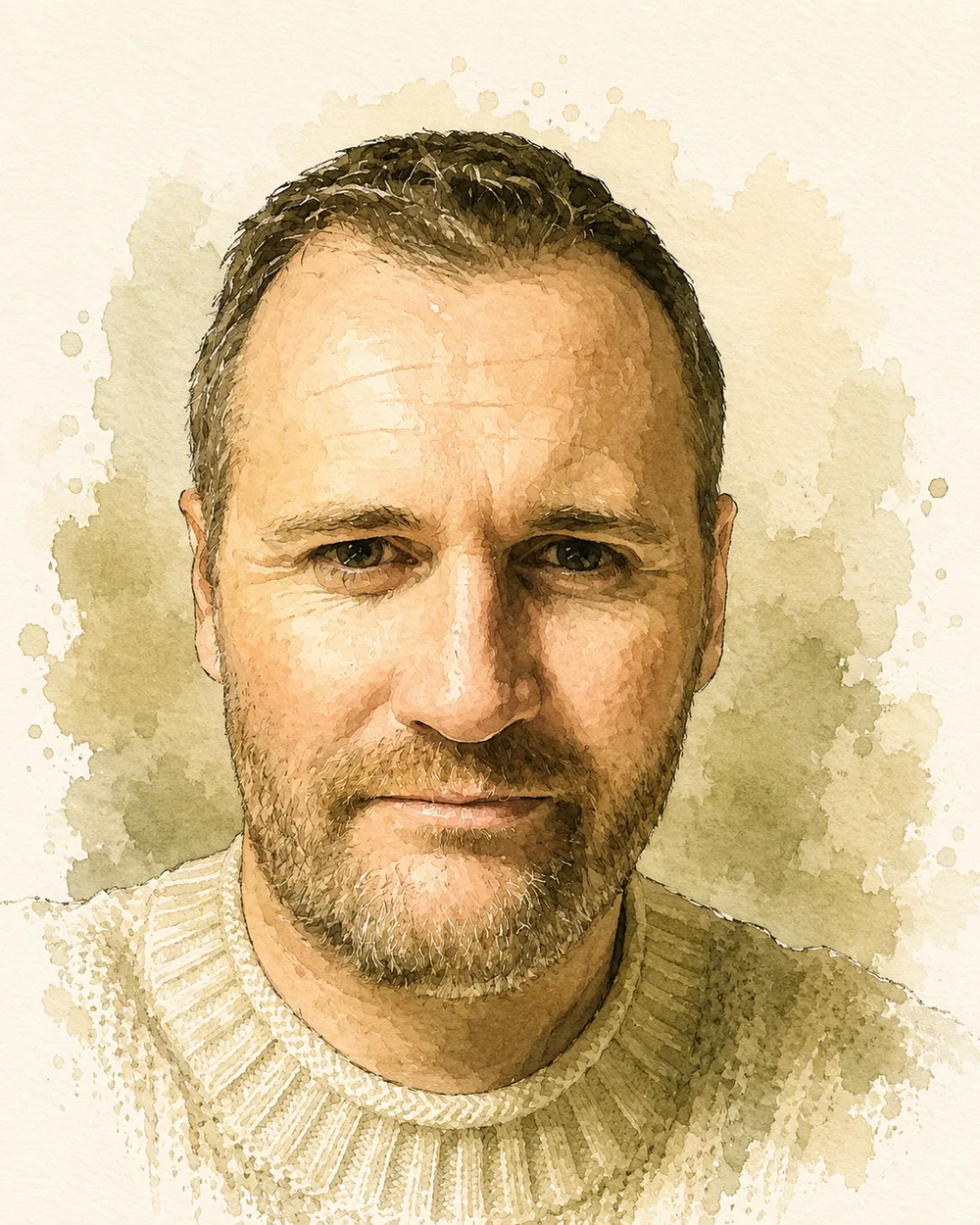
Mark
Specialist dyslexia assessor and founder of Defining Dyslexia
Mark is a qualified teacher and specialist assessor who has worked across mainstream and SEND education, including as a SENCo. He holds an Assessment Practising Certificate and is a member of PATOSS, and he carries out every Defining Dyslexia assessment personally, from the first conversation through to talking the report through with you.
- PATOSS member
- Assessment Practising Certificate
- PGCE
- NASENCo
- CPT3A
- PgDip SpLD
About Defining Dyslexia
Diagnostic dyslexia assessments for children, adults and students
Defining Dyslexia provides full diagnostic SpLD assessments for children, adults and university and college students. Face-to-face assessments are available in Sheffield and South Yorkshire, Peterborough and Cambridgeshire, and Stamford and Rutland, with remote assessments available UK-wide. Every assessment includes time to talk through the findings together, so you leave with a clear understanding of the results rather than a document to decipher alone.
If you have questions, or you are wondering whether an assessment might be the right next step, a free 15-minute telephone call is available with no obligation.