What Is It Like to Be Dyslexic at Primary School?
Dyslexia at primary school is often easy to miss. The child in question is usually bright, curious and full of ideas. Reading and writing simply do not click in the way they do for…
By Mark, specialist dyslexia assessor

Dyslexia at primary school is often easy to miss. The child in question is usually bright, curious and full of ideas. Reading and writing simply do not click in the way they do for others. This is a picture of what that can feel like. It is drawn from common experience, not from any one real child.
A day in the life
Picture a child we will call Ava. She is in Year 4 and she loves stories at home. She can talk about dinosaurs for hours. At school, though, the page in front of her behaves differently. The letters feel slippery, and reading aloud fills her with dread. She works twice as hard as her friends to read half as much. By the afternoon she is tired, and copying from the board feels like a race she cannot win. Her spelling never quite matches the clever things she says out loud. Most days she finds quiet ways to hide all of this.
Why it often goes unnoticed
Bright children are very good at covering up. They memorise words, guess from the pictures, and keep their heads down. Additionally, they are rarely disruptive, so they slip under the radar. The effort stays hidden, but the confidence quietly dips. A child can decide they are simply not clever, long before anyone realises what is really going on. Equally, some schools will not recognsis dyslexia. Firstly, don't be alarmed but read this to learn more.
The strengths that travel alongside
It is just as important to see the other side. Many dyslexic children are strong big-picture thinkers. They are often creative, curious and quick to solve problems. Their spoken vocabulary can be well ahead of their reading. Dyslexia is a different way of processing, not a lesser one. Naming the difficulty also means naming these strengths.
What helps
The good news is that small things make a real difference. Early understanding matters most of all. A little more time, a calm approach to reading, and a teacher who gets it can change a child's whole week. Where the pattern is persistent, a full assessment helps everyone understand the profile. It turns a vague worry into a clear plan.
A final word
If any of this sounds familiar, trust your instinct. You know your child better than anyone. Understanding what is happening early can change the story a child tells themselves. It can replace a quiet sense of not being clever with the simple truth that they learn in their own way.
About Defining Dyslexia and the author
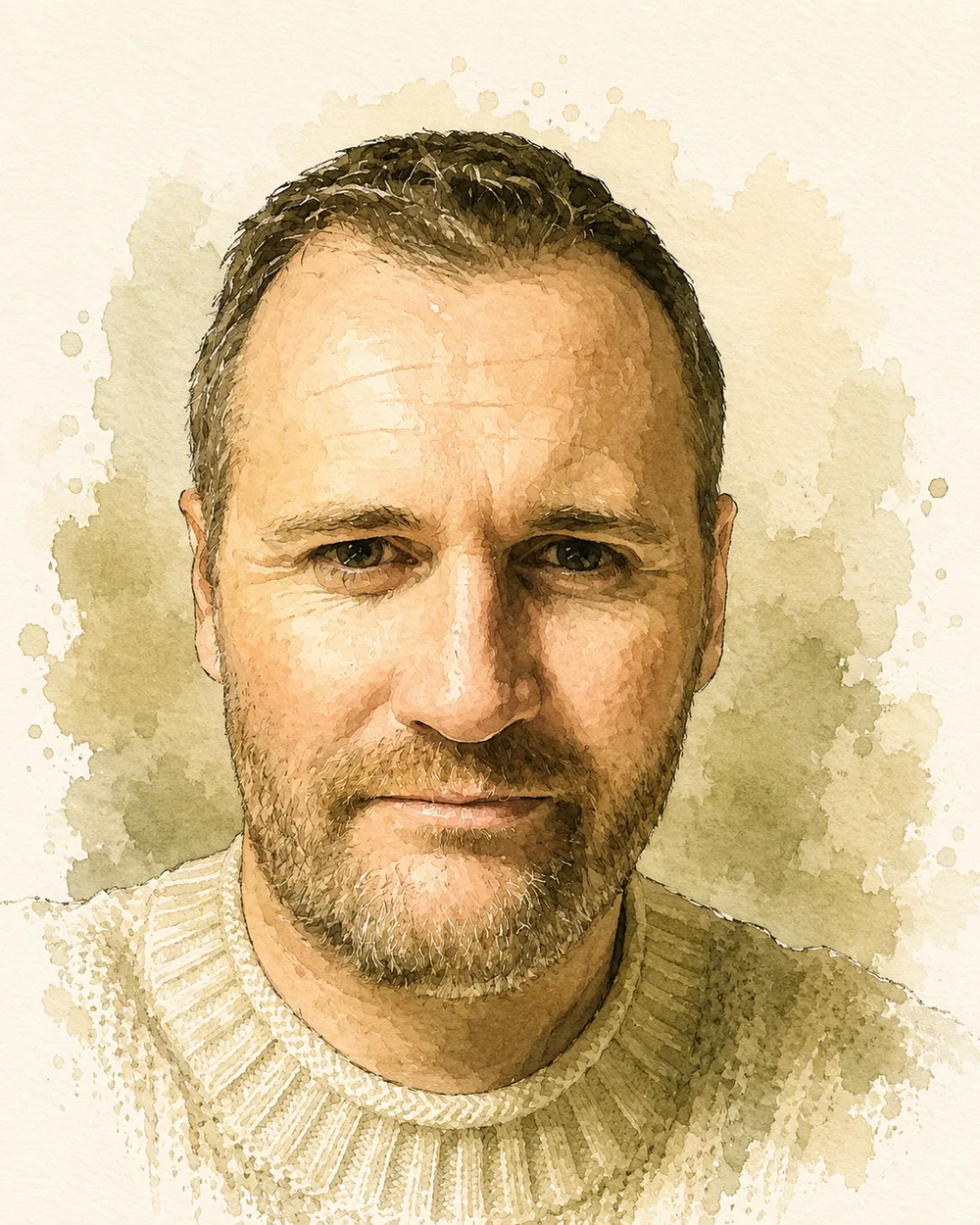
About the author
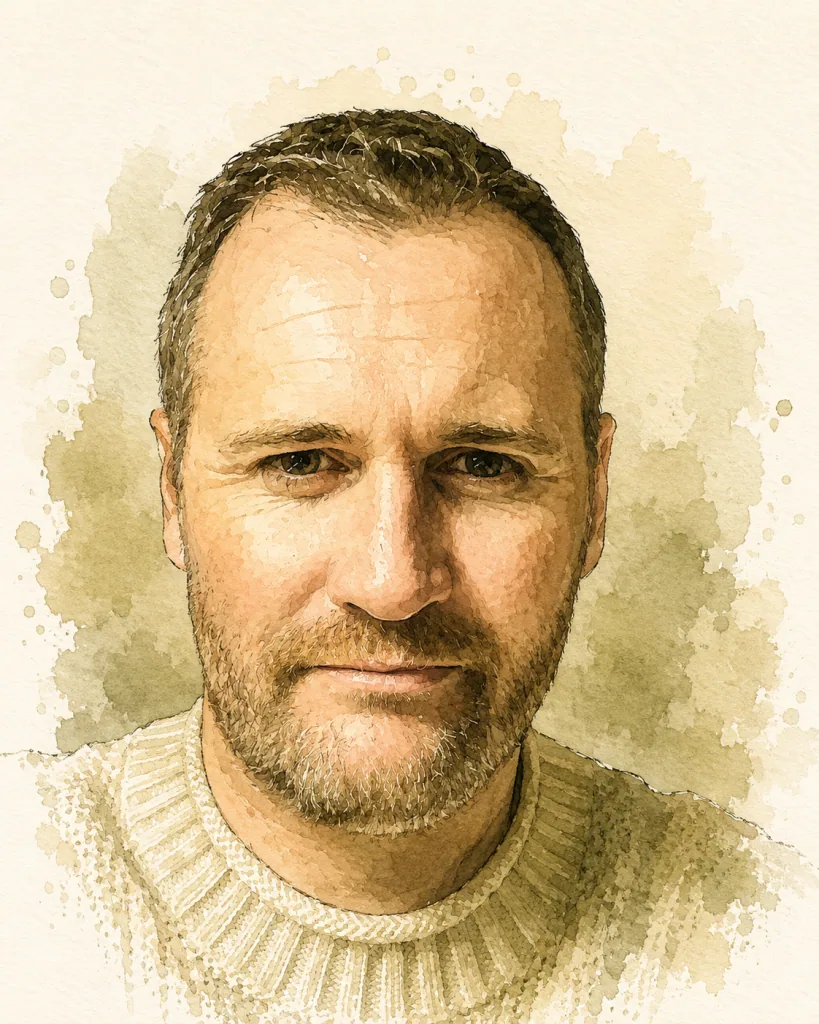
Mark
Specialist dyslexia assessor and founder of Defining Dyslexia
Mark is a qualified teacher and specialist assessor who has worked across mainstream and SEND education, including as a SENCo. He holds an Assessment Practising Certificate and is a member of PATOSS, and he carries out every Defining Dyslexia assessment personally, from the first conversation through to talking the report through with you.
- PATOSS member
- Assessment Practising Certificate
- PGCE
- NASENCo
- CPT3A
- PgDip SpLD
About Defining Dyslexia
Diagnostic dyslexia assessments for children, adults and students
Defining Dyslexia provides full diagnostic SpLD assessments for children, adults and university and college students. Face-to-face assessments are available in Sheffield and South Yorkshire, Peterborough and Cambridgeshire, and Stamford and Rutland, with remote assessments available UK-wide. Every assessment includes time to talk through the findings together, so you leave with a clear understanding of the results rather than a document to decipher alone.
If you have questions, or you are wondering whether an assessment might be the right next step, a free 15-minute telephone call is available with no obligation.