
Why Can My Child Explain the Answer but Struggle to Write It?
A thoughtful verbal answer can become only a few written sentences because writing places many demands on the brain at once. The gap may reflect a bottleneck in written production, not limited knowledge or ability.
By Mark, specialist dyslexia assessor

You ask your child about a topic and they give a detailed, thoughtful answer. They make connections, use precise examples and clearly understand what they have learnt. Then they are asked to write it down. After a long pause, the page contains only two or three short sentences.
This gap can be surprising. It may be interpreted as rushing, avoiding work or not knowing enough. Yet speaking and writing place very different demands on the brain. A short written answer can sit alongside strong understanding because turning ideas into written language is a complex task in its own right.
The hidden load of writing
To write an answer, a child may need to remember the question, identify what matters, organise ideas, decide what to say, hold a sentence in working memory, retrieve vocabulary, spell words, form letters or type, choose punctuation, monitor grammar, remember what has already been written and plan what comes next — often at the same time.
This combined demand can be described as written-production load. When spelling, handwriting or sentence construction is not yet automatic, those processes consume resources that could otherwise be used to develop and express ideas. The child may simplify vocabulary, shorten a sentence, lose the thread of an argument or stop before all their knowledge has been recorded.
Speech is demanding too, but conversation offers immediate cues. A listener can prompt, ask a question or show that the explanation makes sense. Spoken language also removes the need to spell, punctuate and physically record every word. The difference in output is therefore understandable rather than contradictory.
Dyslexia and the writing bottleneck
Dyslexia does not affect intelligence or the quality of a child's ideas. It can, however, make spelling, word retrieval, transcription and other literacy processes slower or less automatic. This can create a bottleneck between what a learner knows and what they can efficiently record.
A child may avoid a precise word because they cannot retrieve or spell it, use simpler sentence structures to reduce risk, or devote so much attention to individual words that the wider argument becomes difficult to maintain. Reading the question may itself use significant effort before writing begins.
This pattern is not proof of dyslexia. Persistent literacy difficulties need to be understood in context, including teaching, progress and the child's wider profile. Signs seen at home can add useful information, especially when school and home see different parts of the picture.
This pattern is not proof of dyslexia. Persistent literacy difficulties need to be understood in context, including teaching, progress and the child's wider profile.
Working memory and executive functioning
Working memory helps a writer hold an idea or sentence in mind while recording it. If spelling or handwriting requires considerable attention, the sentence may fade before it reaches the page. The child may then restart, repeat themselves or forget the point they intended to make.
Executive functions help with planning, sequencing, beginning a task, maintaining the thread of an answer, switching between ideas and reviewing work. A child can understand a topic well but find the open-ended instruction ‘write everything you know’ difficult to organise and initiate.
ADHD may affect initiation, sustained attention, working memory and monitoring, although this varies greatly between individuals. Autistic learners may also experience written-production difficulties for different reasons, such as interpreting an open-ended question, deciding the expected level of detail, shifting from a rich internal understanding to a linear answer or managing motor and sensory demands. These are possibilities, not stereotypes; each learner's pattern needs to be understood individually.
Handwriting and motor demands
Handwriting can limit written output even when ideas are strong. If letter formation is slow, effortful, uncomfortable or difficult to coordinate, the speed of the hand may not keep pace with thought. The child may write less to manage fatigue, or lose ideas while concentrating on how to form them physically.
Typing may reduce some motor demands for some learners, but it is not automatically easier and needs appropriate teaching and practice. Where handwriting is a concern, it is important to consider speed, legibility, comfort and the effect on output rather than judging presentation alone.
Written output is not always a good measure of what a child knows
Sometimes the purpose of a task is to assess writing. At other times it is meant to assess subject knowledge. Those are not always the same thing. A child may discuss the causes of a historical event in detail but produce a brief written response, or explain a science concept accurately while struggling to organise the explanation on paper.
If every assessment relies on extended writing, the result may partly measure spelling, handwriting, memory and organisation rather than only history or science. This does not mean written work should be removed. It means teachers may sometimes need another way to check understanding, alongside continuing to develop the child's ability to plan and produce writing.
If every assessment relies on extended writing, the result may partly measure spelling, handwriting, memory and organisation rather than only history or science.
Practical ways to support written output
The most useful strategy depends on where the bottleneck occurs. Options at home and school may include:
- using key words, bullet points or a simple checklist before writing;
- creating a mind map to make the structure and connections visible;
- rehearsing a sentence or paragraph aloud before recording it;
- breaking extended writing into planning, first draft and review stages;
- giving one manageable section at a time rather than one large open-ended task;
- reducing unnecessary copying so effort can be directed towards the answer;
- allowing additional processing and writing time where appropriate;
- teaching and allowing typing when it improves access;
- using speech-to-text or other assistive technology where appropriate, with support to plan, edit and check the result;
- and, when subject knowledge is being assessed, separating that judgement from spelling or handwriting where appropriate.
Technology is not a way of avoiding learning to write. It can reduce an unnecessary barrier so a learner can participate and show what they know while appropriate spelling, handwriting, typing and composition skills continue to be taught. Helping a child with dyslexia at home includes further practical principles for supportive practice.
When should I be concerned?
Every learner sometimes finds it easier to talk than write. It may be worth looking more closely when the discrepancy is persistent and significant: the child regularly shows good verbal knowledge but records very little, written tasks cause disproportionate fatigue or distress, or progress remains limited despite well-targeted teaching and support.
Possible areas to explore include spelling, reading, handwriting, language, organisation, working memory and attention. Begin with examples of both the child's spoken understanding and written work, and discuss them with the teacher or SENCo. Where persistent literacy difficulties suggest dyslexia may be part of the picture, a diagnostic child dyslexia assessment can consider the pattern in context rather than treating short written work as a conclusion by itself.
Frequently asked questions
Why can my child explain something but not write it down?
Writing requires planning, working memory, vocabulary retrieval, spelling, handwriting or typing, punctuation and self-monitoring at the same time. A bottleneck in one or more of these areas can restrict the answer even when understanding is strong.
Is strong talking but weak writing a sign of dyslexia?
It can occur in dyslexia because literacy and transcription difficulties may make written expression effortful, but it is not proof by itself. Handwriting, language, working memory, attention and executive functioning may also contribute.
Should my child be allowed to type or use speech-to-text?
Typing or speech-to-text may be appropriate when it reduces a genuine barrier and helps a child show their knowledge. It should be introduced thoughtfully, taught properly and used alongside continued development of suitable literacy and writing skills.
How can school assess what my child knows if writing is difficult?
Where the aim is to assess subject knowledge rather than writing, teachers may sometimes combine written work with oral explanation, key points, practical demonstration or another appropriate method. The approach should fit the purpose of the task and the learner's needs.
About Defining Dyslexia and the author
About the author
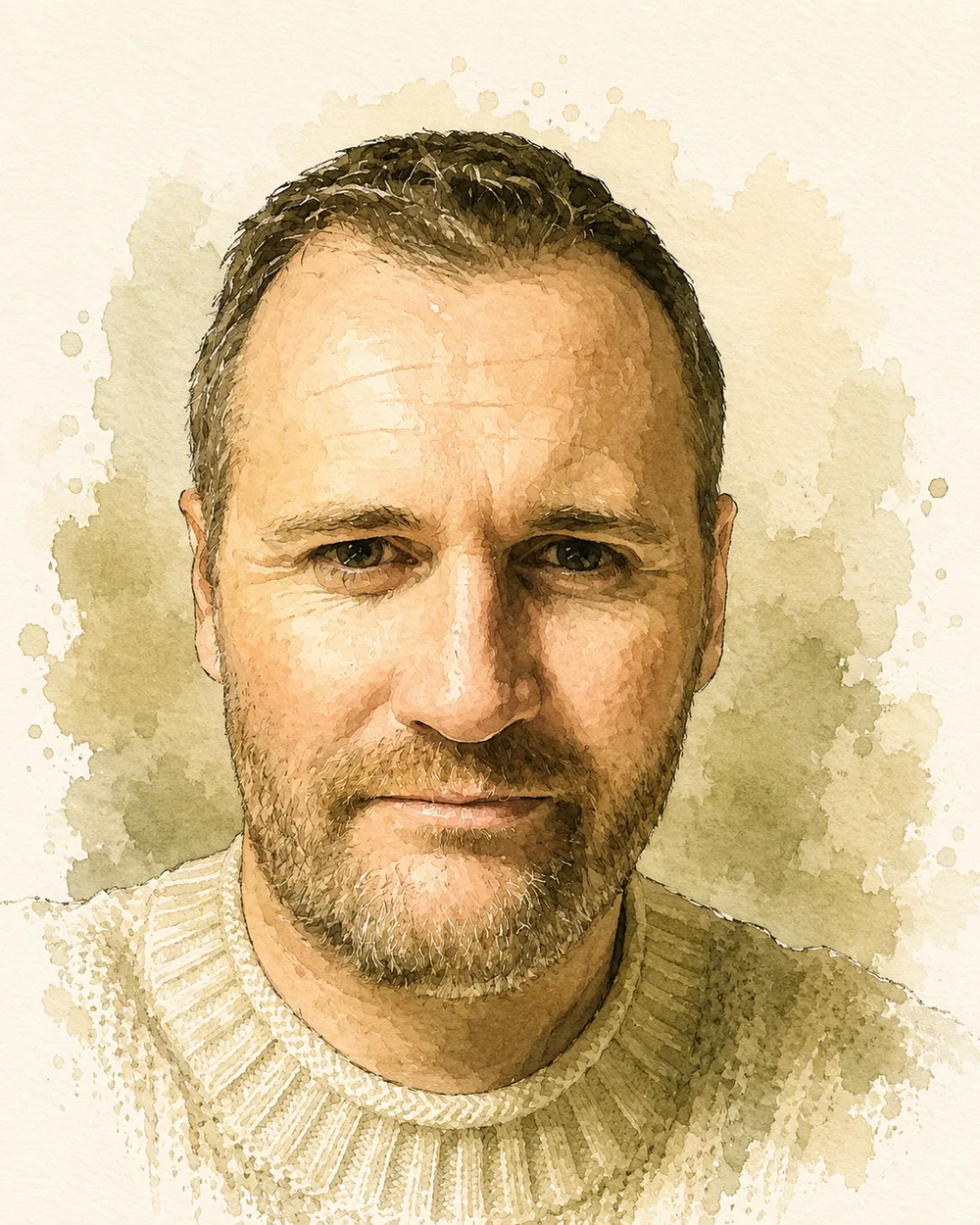
Mark
Specialist dyslexia assessor and founder of Defining Dyslexia
Mark is a qualified teacher and specialist assessor who has worked across mainstream and SEND education, including as a SENCo. He holds an Assessment Practising Certificate and is a member of PATOSS, and he carries out every Defining Dyslexia assessment personally, from the first conversation through to talking the report through with you.
- PATOSS member
- Assessment Practising Certificate
- PGCE
- NASENCo
- CPT3A
- PgDip SpLD
About Defining Dyslexia
Diagnostic dyslexia assessments for children, adults and students
Defining Dyslexia provides full diagnostic SpLD assessments for children, adults and university and college students. Face-to-face assessments are available in Sheffield and South Yorkshire, Peterborough and Cambridgeshire, and Stamford and Rutland, with remote assessments available UK-wide. Every assessment includes time to talk through the findings together, so you leave with a clear understanding of the results rather than a document to decipher alone.
If you have questions, or you are wondering whether an assessment might be the right next step, a free 15-minute telephone call is available with no obligation.