Why Get a Dyslexia Assessment as an Adult? Why Now Is the Right Time
If you're an adult who has spent years suspecting you might have dyslexia, you'll probably recognise a particular pattern of thinking. You've managed this far. You've developed ways of…
By Mark, specialist dyslexia assessor

If you're an adult who has spent years suspecting you might have dyslexia, you'll probably recognise a particular pattern of thinking. You've managed this far. You've developed ways of coping. You're not sure it would change anything at this stage. And besides, isn't it all a bit late?
This post is for you. Because the question isn't really whether it's too late. It isn't, it's whether understanding yourself better, at whatever age you are right now, is worth something. And the honest answer is that it almost always is.
Why adults don't get assessed earlier
Most adults who come to an assessment later in life were either never identified during their school years, or were identified but never formally assessed. Some were told they were lazy or not trying hard enough. Others were bright enough to compensate, developing coping strategies so effective that their difficulties went largely unnoticed by teachers and parents alike.
The result is a generation of adults who have carried the weight of unexplained difficulty for years, working harder than their peers, feeling quietly inadequate in certain situations, and never quite understanding why some things that seem effortless for others feel so disproportionately hard for them.
If that resonates, an assessment isn't just a bureaucratic process. It's an opportunity to finally have that experience acknowledged, explained, and understood.
The moments that bring adults to assessment
There are particular points in adult life that tend to bring the question of dyslexia back to the surface. Recognising your own moment in this list might help you understand why now feels like the right time.
Starting or returning to university is one of the most common triggers. The demands of higher education, reading widely, writing at length, processing large volumes of information under time pressure. Can expose difficulties that were manageable in other contexts. A formal assessment at this point opens the door to DSA funding, exam access arrangements, and specialist study skills support that can make a profound difference to the university experience.
A career change or promotion is another common trigger. Moving into a role with greater demands around written communication, report writing, or presenting can suddenly make previously manageable difficulties feel significant. Understanding why certain tasks feel disproportionately hard and having the evidence to request reasonable workplace adjustments changes the dynamic considerably.
Having an assessment identify dyslexia in your own child is perhaps the most emotionally charged trigger of all. Many parents sit in an assessment feedback meeting and hear their child's profile described. They find themselves thinking, 'That's me. That has always been me.' For these parents, seeking their own assessment isn't just about practical support. It's about finally understanding a story that started long before their child was born.
Having an assessment identify dyslexia in your own child is perhaps the most emotionally charged trigger of all.
Sometimes there is no single trigger. Sometimes it's simply reaching a point, perhaps a significant birthday, a moment of professional frustration, or a quiet decision that enough is enough, where the question of understanding yourself better feels more urgent than the habit of managing without answers.
What a formal assessment gives you as an adult
The practical benefits of a formal adult assessment are real and significant. A formal report can support a DSA application for university students, provide the evidence base for workplace reasonable adjustment requests, open the door to Access to Work funding for assistive technology and specialist coaching, and provide the documentation needed for driving theory test accommodations.
However, the practical benefits are only part of the story. For many adults, the most significant outcome of an assessment is simply the explanation itself. Understanding that your brain processes written language differently (not deficiently, differently) reframes a lifetime of experience in a way that can be genuinely profound.
It changes the story you tell yourself about your own history. The years of working harder than everyone else, of feeling like you were always just about keeping up, of wondering why certain things never got easier. All of that looks different when you understand the reason for it. It doesn't undo those experiences, but it gives them a context that many adults find deeply liberating.
It doesn't have to define you, but it does explain you
Some adults worry that seeking a diagnosis means defining themselves by a label, or that it will change how others see them. It's worth saying clearly that a dyslexia diagnosis doesn't change who you are. It simply gives you a more accurate and more useful understanding of how you work.
Many adults who receive a diagnosis later in life describe it not as a moment of limitation but as a moment of permission, permission to stop blaming themselves for things that were never really their fault, permission to ask for adjustments they've always needed but never felt entitled to, and permission to approach their own strengths and difficulties with considerably more self-compassion than they've previously allowed themselves.
Is there ever a wrong time?
There is no age at which a dyslexia assessment stops being worthwhile. Whether you are eighteen and heading to university, thirty five and navigating a demanding career, or considerably older and simply wanting to understand yourself better, the value of that clarity doesn't diminish with age.
The only question worth asking is whether understanding yourself better would make a difference to your life going forward. For the vast majority of adults who seek an assessment, the answer is yes, often more emphatically than they expected.
About Defining Dyslexia and the author
About the author
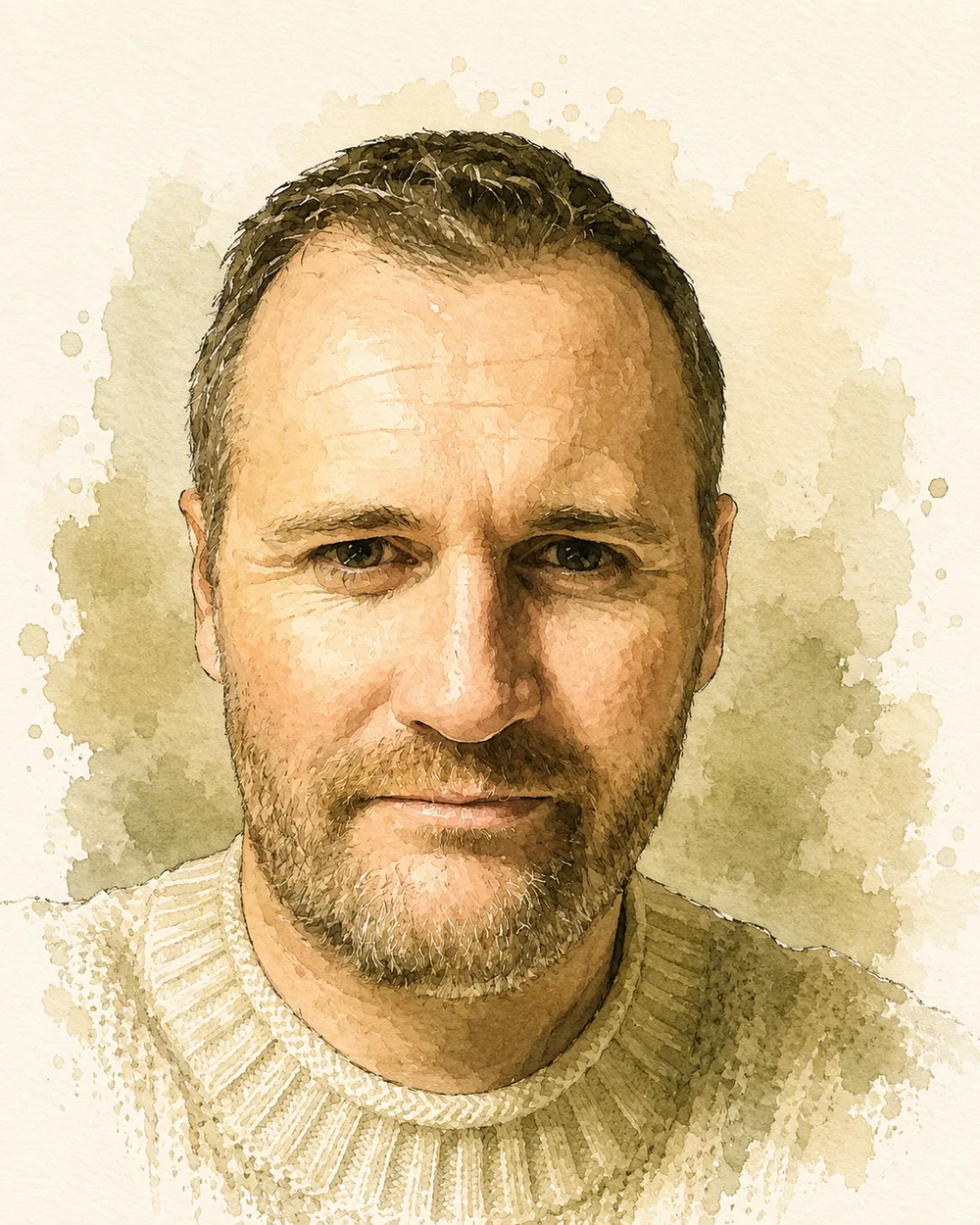
Mark
Specialist dyslexia assessor and founder of Defining Dyslexia
Mark is a qualified teacher and specialist assessor who has worked across mainstream and SEND education, including as a SENCo. He holds an Assessment Practising Certificate and is a member of PATOSS, and he carries out every Defining Dyslexia assessment personally, from the first conversation through to talking the report through with you.
- PATOSS member
- Assessment Practising Certificate
- PGCE
- NASENCo
- CPT3A
- PgDip SpLD
About Defining Dyslexia
Diagnostic dyslexia assessments for children, adults and students
Defining Dyslexia provides full diagnostic SpLD assessments for children, adults and university and college students. Face-to-face assessments are available in Sheffield and South Yorkshire, Peterborough and Cambridgeshire, and Stamford and Rutland, with remote assessments available UK-wide. Every assessment includes time to talk through the findings together, so you leave with a clear understanding of the results rather than a document to decipher alone.
If you have questions, or you are wondering whether an assessment might be the right next step, a free 15-minute telephone call is available with no obligation.