What if I Cannot Remember Much About Primary School?
Adult assessment considers developmental history, which worries people who remember very little of primary school and have no reports left. In practice there is usually more useful evidence than you expect.
By Mark, specialist dyslexia assessor

You have read that a dyslexia assessment looks at your history, and your heart sinks slightly. Primary school was decades ago. Your reports went in a skip during a house move, or were never kept. Your parents are no longer around to ask, or remember it differently to you. What you have is a handful of impressions and a strong feeling that reading was harder than it looked for everyone else.
This comes up in almost every adult enquiry, and it very rarely stops an assessment going ahead.
Why developmental history matters at all
Dyslexia is developmental. It is part of how you have processed written language since you were learning to read, not something acquired later in life. That distinction matters, because difficulties with concentration, memory and reading can also arise from stress, illness, head injury, medication or long term health conditions, and those have different explanations and different support.
History is how an assessor makes that distinction. The question is not whether you can produce documents. It is whether the pattern seen today has a long and consistent history behind it.
Why so many adults remember so little
There are ordinary reasons for thin memories, and none of them reflect badly on you.
- Most people simply do not retain detailed memories of being six or seven.
- Difficulties were often not discussed openly with children at the time.
- Dyslexia was far less well recognised in many UK schools until relatively recently.
- Support, where it existed, was often described vaguely as extra help rather than named.
- Frequent moves, family disruption, illness or being in care can break up the record entirely.
- Some adults deliberately stopped thinking about school because it was not a happy period.
An assessor works with this every week. You will not be asked to produce evidence you cannot reasonably have.
An assessor works with this every week. You will not be asked to produce evidence you cannot reasonably have.
What counts as useful evidence
History is built from whatever is genuinely available. Anything on this list can contribute, and most adults have several.
Memories of learning to read and write
Even vague impressions are informative. Which reading group you were in. Whether you were taken out for extra sessions. Dreading reading aloud in class. Being told you were bright but careless. Spelling tests you learned by heart on the morning and forgot by the afternoon. How you felt about writing.
Secondary school, exams and beyond
Later education is often remembered far more clearly. Subjects that went well and badly, and whether the split followed the amount of reading and writing involved. Whether coursework outperformed timed exams. How long homework and revision took compared with friends. Whether you had extra time. Why you chose the courses or training you did, and whether written demands influenced that.
Qualifications and training records
Certificates, transcripts, apprenticeship records, college enrolment paperwork and driving theory experience can all add detail. Some awarding bodies and universities hold records for many years, and it is worth asking.
Family information
Dyslexia commonly runs in families. Knowing that a parent, sibling, cousin or child has been identified with dyslexia or another specific learning difficulty is relevant. So is a relative's recollection of how you got on at school, if anyone is available to ask.
Your children's assessments
A surprising number of adults first recognise themselves while reading a report about their own child. That report is not evidence about you, but the family pattern it points to is worth mentioning.
Long standing adult patterns
Evidence of a continuing difficulty has real weight. How you handle written work now, which tasks you avoid, how long reports take, whether colleagues proofread for you, whether you rely on dictation, and how you felt about the written parts of any training you have done since school.
Any earlier paperwork you can find
If you happen to have old school reports, a workplace needs assessment, a previous screening result, notes from a college learning support team or correspondence about extra time, do bring them. Their absence is not a problem, but their presence is helpful.
How the evidence is weighed up together
No single item decides anything. An assessment brings together your background and history, standardised measures of cognitive processing, and standardised measures of reading, spelling and writing, and asks whether they form a coherent picture.
Where the present day profile is clear and your recollections, however partial, point consistently in the same direction, a confident conclusion is usually possible. Where history is very limited and the present day picture is mixed, an honest report will say so and explain what it can and cannot conclude. That is not a wasted assessment. Knowing precisely where your processing strengths and difficulties lie is useful in its own right, and it still supports sensible decisions about study and work.
Where the present day profile is clear and your recollections, however partial, point consistently in the same direction, a confident conclusion is usually possible.
Getting ready without stress
You do not need to have everything before getting in touch. We can work with the information available and help identify anything else that may be useful. If you would like to prepare, a few unhurried notes over a week or two are usually more productive than one long attempt to remember everything.
- Jot down memories as they surface rather than forcing them.
- Note which subjects and tasks were hardest, and why you think that was.
- Ask a relative what they remember, if that is possible and comfortable.
- Look for any certificates or paperwork in the obvious places, then stop looking.
- Write down what is difficult now, with a couple of real recent examples.
Our guide on preparing for a dyslexia assessment sets out what to expect on the day.
When an assessment may help
If literacy or processing difficulties have been with you for as long as you can remember, and they are affecting work, study or confidence now, limited childhood records are not a reason to hold back. Talk to an assessor about what you do have. You can read more about adult dyslexia assessments or book a free 15-minute telephone call to ask whether your situation is workable. There is no obligation, and an honest answer is more useful to both of us.
Related guides
Frequently asked questions
Do I need my old school reports for an adult dyslexia assessment?
No. School reports are helpful when they exist, but most adults no longer have them. Developmental history is gathered from your own recollections, later education and qualifications, family information and long standing adult patterns, and considered alongside the assessment findings.
What if my parents cannot tell me anything about my early years?
That is common and is not a barrier. Assessors are used to working with incomplete histories and will focus on what you can describe yourself, including secondary school, training, work and current difficulties.
Can I be diagnosed with dyslexia if there is no childhood evidence at all?
It depends on the overall picture. Where current testing shows a clear profile and your own account points consistently to a long standing difficulty, a diagnostic conclusion is often possible. Where evidence is genuinely thin or the picture is mixed, the report will say what can and cannot be concluded rather than overstating it.
Does it matter that I was never identified at school?
Not at all. Many adults were educated at a time when dyslexia was poorly recognised, or compensated well enough that nothing was flagged. Being missed is extremely common and says nothing about whether the difficulty was real.
About Defining Dyslexia and the author
About the author
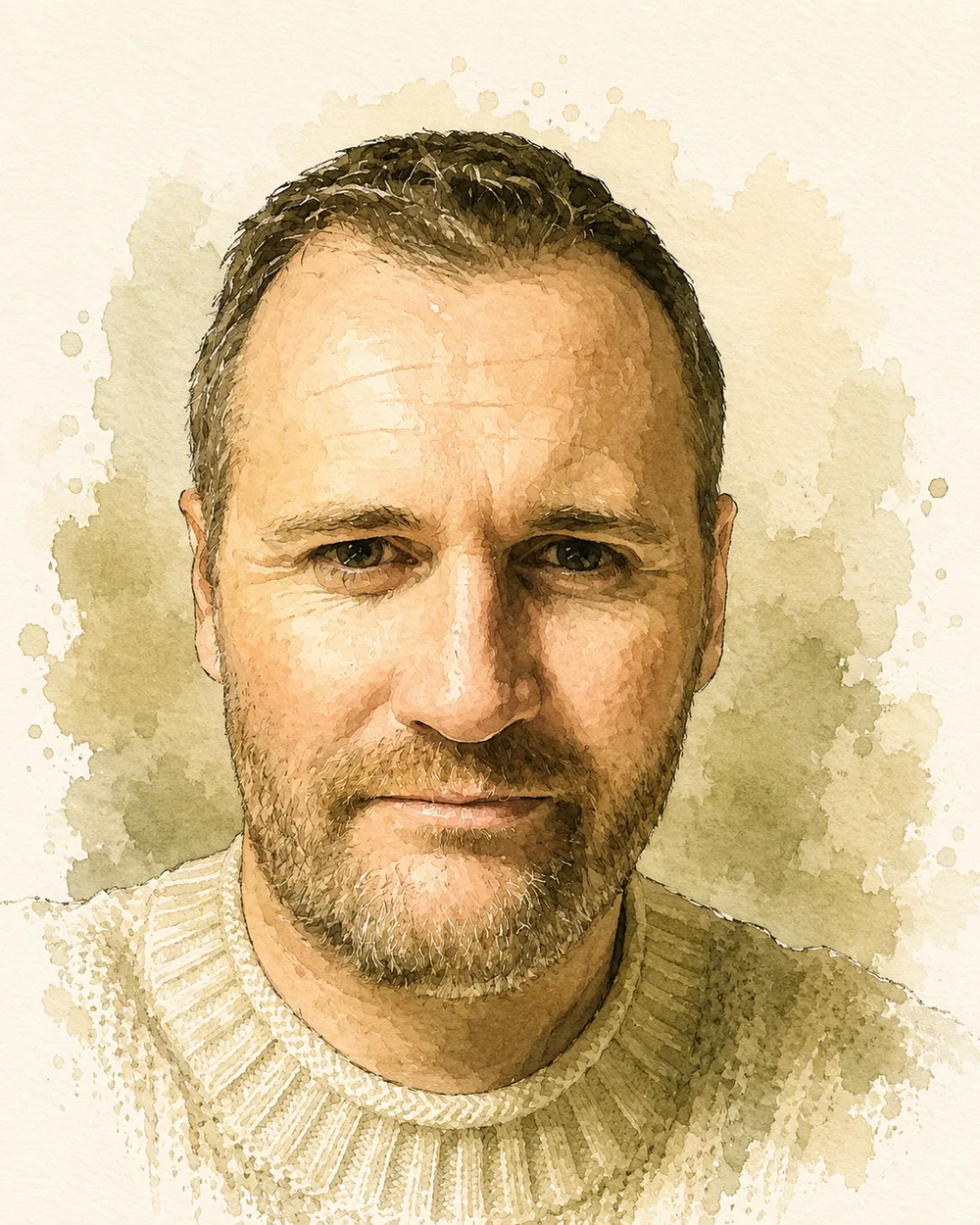
Mark
Specialist dyslexia assessor and founder of Defining Dyslexia
Mark is a qualified teacher and specialist assessor who has worked across mainstream and SEND education, including as a SENCo. He holds an Assessment Practising Certificate and is a member of PATOSS, and he carries out every Defining Dyslexia assessment personally, from the first conversation through to talking the report through with you.
- PATOSS member
- Assessment Practising Certificate
- PGCE
- NASENCo
- CPT3A
- PgDip SpLD
About Defining Dyslexia
Diagnostic dyslexia assessments for children, adults and students
Defining Dyslexia provides full diagnostic SpLD assessments for children, adults and university and college students. Face-to-face assessments are available in Sheffield and South Yorkshire, Peterborough and Cambridgeshire, and Stamford and Rutland, with remote assessments available UK-wide. Every assessment includes time to talk through the findings together, so you leave with a clear understanding of the results rather than a document to decipher alone.
If you have questions, or you are wondering whether an assessment might be the right next step, a free 15-minute telephone call is available with no obligation.