More Than a Diagnosis: What Should a Dyslexia Assessment Report Tell You?
A useful assessment report should help you understand the person, the reasons learning may be difficult and what could help next.
By Mark, specialist dyslexia assessor
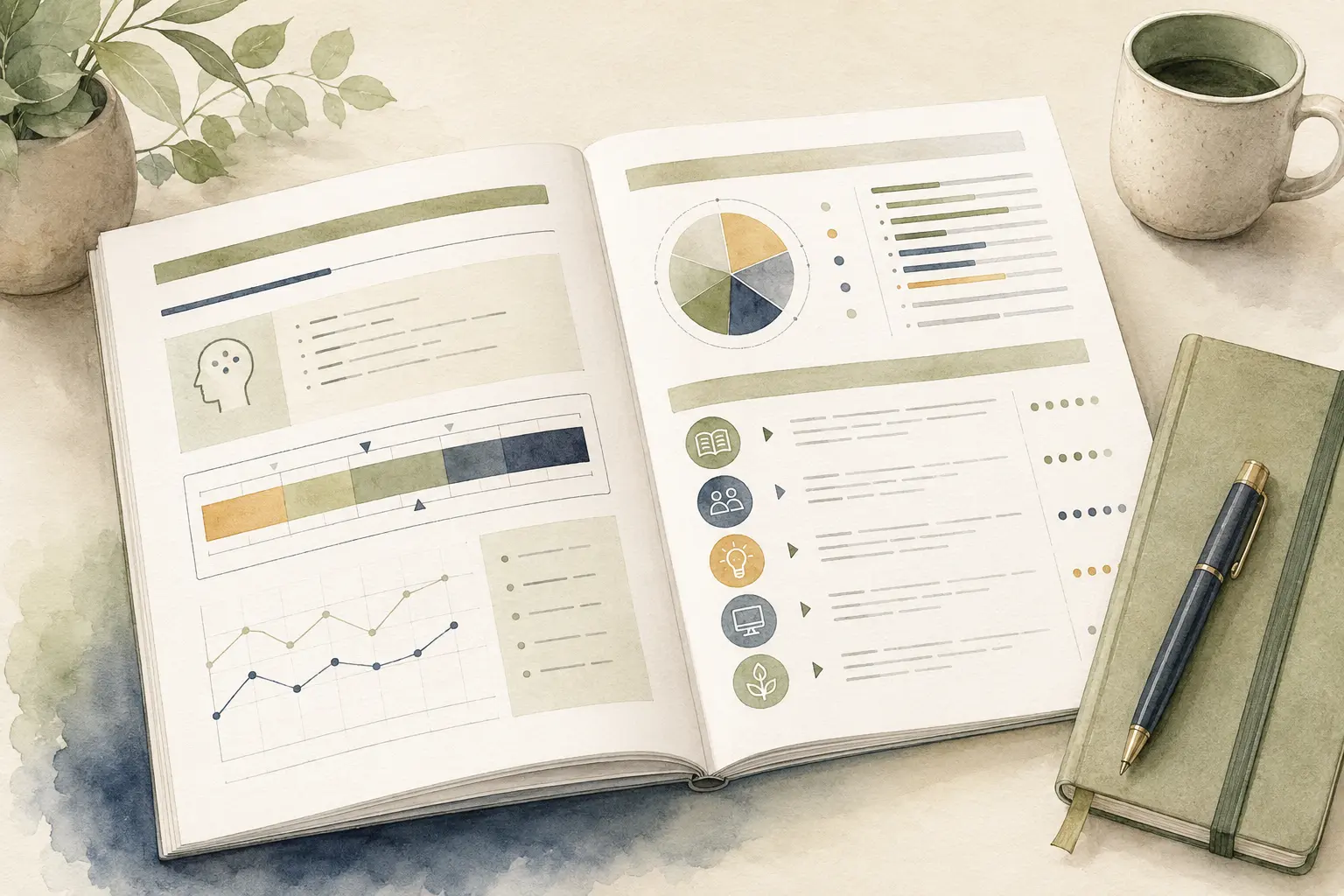
After a dyslexia assessment, you will receive a written report. For many families and adults, this is the document they have been working towards, and it can feel like a lot to take in when it arrives.
A useful assessment report should help you understand the person, the reasons learning may be difficult and what could help next. Diagnosis can matter for understanding experiences and discussing appropriate support. It is not the only valuable outcome. This guide explains what a thoughtful report should communicate; it does not reproduce a client report or assessment tasks.
What Does a Dyslexia Assessment Report Include?
A thorough dyslexia assessment report will typically cover the following areas.
The person behind the assessment. Their strengths, interests, goals and concerns should be recognisable in the report. Strengths are individual: dyslexia does not mean everyone is creative, verbally confident or good at the same things. Difficulties should be described accurately without becoming the person's whole identity.
Background and experience. Relevant developmental and educational history, previous support and assessments help explain the current picture. The person's own account matters. For a child, parents' and teachers' views can add context; for an adult, relevant views from others may help where available and agreed. Different perspectives need not match perfectly. You do not need to have every record before enquiring: building the picture before assessment explains what may be useful.
Assessment findings and observations. Results should sit alongside what the assessor observed: how the person approached tasks, the strategies they used, the effort involved and any factors affecting participation. Accurate performance may still be slow or effortful. A demanding task can place several skills under pressure at once. Observations help interpretation; they should not be used to dismiss standardised evidence.
Connections with everyday learning. The report should explain how findings relate to reading fluency, spelling, written work and the person's experiences at school, in study, at work or at home. It should distinguish what the evidence supports from what remains uncertain. A test score is not a complete description of someone's everyday abilities.
A clear, reasoned conclusion. The report should explain whether the combined evidence supports dyslexia and why, considering the history, literacy findings, relevant processing skills and observations. It should identify limits or questions needing further exploration rather than reaching a conclusion from a single score.
Practical recommendations. Recommendations should follow from the individual's profile, with clear priorities and an explanation of what each suggestion is intended to help. These may concern teaching, reducing copying or memory demands, assistive technology or further discussion with a relevant professional. A list of generic dyslexia tips is less useful than guidance connected to the person's actual needs.
What Do the Scores Mean?
Scores in a dyslexia assessment report are typically presented as standardised scores (also known as standard scores) which allow an individual's performance to be compared to others of the same age. A score of 100 represents the population average. Scores above or below this indicate performance that is above or below what would typically be expected.
A good report will not simply list scores. It will explain what they mean in context. For example, a low score on a phonological processing task, alongside average scores in other areas, tells a very different story from a pattern of low scores across multiple areas. The assessor's job is to interpret that pattern and explain what it means for the individual.
Our guide to what dyslexia assessment scores actually mean explains standard scores and why no single number is a diagnosis.
What should the report say if dyslexia is not identified?
The report should still explain the evidence, relevant findings and reasons for the conclusion. It should offer appropriate recommendations and identify any unanswered questions. Persistent difficulties deserve consideration even without a dyslexia diagnosis. An assessment does not have to reveal another condition, and a dyslexia assessment cannot diagnose or rule out every other condition.
Where further exploration is appropriate, the report should explain why and suggest the relevant professional route without presenting a possibility as a diagnosis. Read what if it isn't dyslexia? for more about this outcome.
How Long Is a Dyslexia Assessment Report?
Reports vary in length, but a thorough dyslexia assessment report is typically between fifteen and thirty pages. Length alone is not a measure of quality. What matters is that the report is clear, well-evidenced, and genuinely useful to the people who will read and act on it.
Who Can the Report Be Shared With?
A dyslexia assessment report can be shared with anyone who needs it. Schools, colleges, universities, employers, and exam boards. It is your document and you decide who sees it.
A report records the evidence at the time of assessment and may remain useful for many years. It is not a guarantee of acceptance for every purpose. Report requirements depend on the institution, funding body and intended purpose. Older diagnostic reports may be accepted, but acceptance is not guaranteed. Check with your university or the relevant body before paying for reassessment. Our guide to whether you need a new assessment helps you check existing evidence first.
What If the Report Is Hard to Understand?
A well-written report should be accessible to a non-specialist reader. However, assessment reports do contain technical terminology, and it is entirely reasonable to have questions after reading it.
At Defining Dyslexia, every assessment is followed by a conversation to discuss the findings, making sure that families and adults leave with a clear understanding of what the report says and what to do next. Additionally, if questions arise after the report has been received, I am always happy to discuss them.
What Should You Do With the Report?
Once you have received the report, there are some clear next steps worth taking.
For a child, discuss relevant recommendations with the teacher or SENCo and agree priorities and a review point. Schools can put support in place without a formal diagnosis. Exam access arrangements are a separate decision for the school or exam centre under the applicable rules; diagnosis does not automatically secure extra time or other adjustments.
For students, ask the university or college support team what evidence it needs for your intended purpose, including any DSA application. For adults, discuss relevant recommendations and reasonable adjustments at work. A report can inform these conversations; it does not guarantee funding or particular provision.
Start with practical next steps after your assessment, rather than trying every recommendation at once. Ask what each priority should help with and how you will review whether it is useful.
A Final Word
A useful report brings the person and the evidence together. Whether or not dyslexia is identified, it should leave you with a clearer understanding of the findings, their limits and appropriate next steps. The diagnosis matters, but the explanation and recommendations matter too.
That is worth taking seriously, and worth reading carefully.
At Defining Dyslexia, every report is written to be clear, thorough, and immediately useful, to the individual, their family, and the professionals working with them. Face-to-face appointments are available across Sheffield and South Yorkshire and across Peterborough and Cambridgeshire, with remote assessments available nationwide.
If any of this sounds familiar, it's worth getting in touch. Sometimes the most important thing is simply having someone take the whole picture seriously.
About Defining Dyslexia and the author
About the author
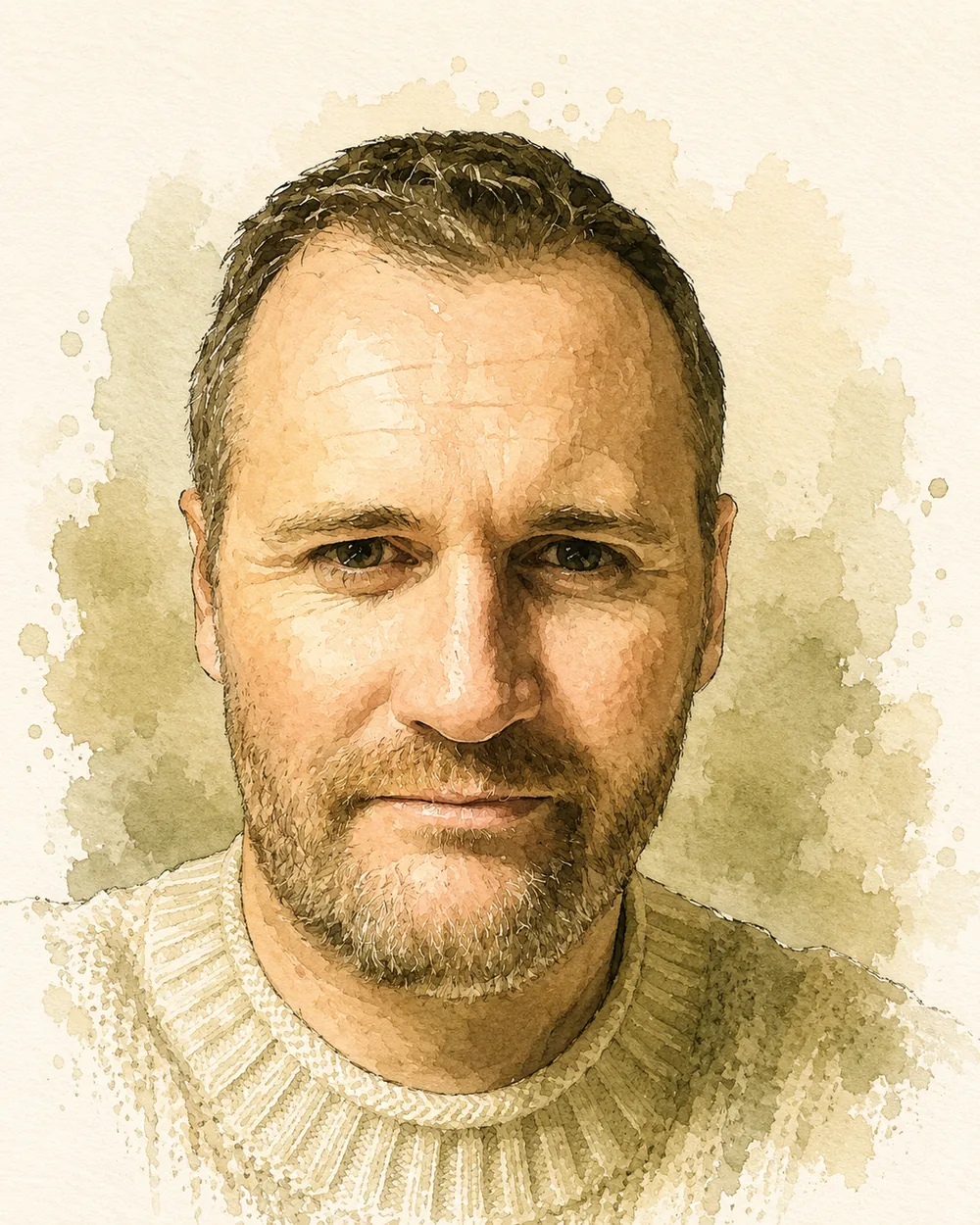
Mark
Specialist dyslexia assessor and founder of Defining Dyslexia
Mark is a qualified teacher and specialist assessor who has worked across mainstream and SEND education, including as a SENCo. He holds an Assessment Practising Certificate and is a member of PATOSS, and he carries out every Defining Dyslexia assessment personally, from the first conversation through to talking the report through with you.
- PATOSS member
- Assessment Practising Certificate
- PGCE
- NASENCo
- CPT3A
- PgDip SpLD
About Defining Dyslexia
Diagnostic dyslexia assessments for children, adults and students
Defining Dyslexia provides full diagnostic SpLD assessments for children, adults and university and college students. Face-to-face assessments are available across our local service areas in South Yorkshire, Chesterfield and surrounding Derbyshire, Wakefield, Peterborough, Stamford, Rutland, Grantham and South Lincolnshire, with remote assessment available UK-wide. Every assessment includes time to talk through the findings together, so you leave with a clear understanding of the results rather than a document to decipher alone.
If you have questions, or you are wondering whether an assessment might be the right next step, a free 15-minute telephone call is available with no obligation.