A Dyslexia Assessment Is About More Than a Diagnosis: Understanding Your Learning Profile
More than a diagnosis. A better understanding of how you learn. A specialist assessment brings the person and the evidence together to explain learning needs and consider useful support.
By Mark, specialist dyslexia assessor

You may want a clear answer about dyslexia. You may also have questions that a label alone would not answer. Why does reading take so much effort? Why are some tasks manageable while others feel much harder? What should you or the people supporting you try next?
A specialist diagnostic dyslexia assessment aims to reach an evidence-based conclusion where the evidence supports one. It also explores the individual's learning strengths and difficulties. Background history, one-to-one observations and standardised assessment contribute to an integrated professional interpretation.
This guide focuses on what that understanding can mean for everyday learning. Our existing test or assessment guide explains the different routes. The specialist assessor guide explains professional interpretation in more detail.
What do we mean by a learning profile?
A learning profile describes relevant strengths and difficulties alongside the conditions in which someone works. It considers the skills assessed and the person's experiences. It is not a fixed learning-style category or a complete map of everything someone can do.
Someone may read accurately but need substantial time. Another person may find spelling difficult while understanding a discussion well. These are possible patterns rather than universal features of dyslexia. The assessment needs to establish what is true for this individual.
Strengths should be recognised without attaching stereotypes. Dyslexia does not mean that everyone is creative or verbally confident. Interests, knowledge and strategies already in use can also help shape practical recommendations.
Your history gives the findings a context
An assessment session captures performance at a particular time. History helps explain how that picture developed. Relevant information may include education, previous support and the tasks that are difficult now.
The person's own account matters. Parents and school may contribute to a child's assessment. Adults can describe the strategies they have developed and the demands of work or study. Different accounts may add useful perspectives rather than match exactly.
You do not need to have everything before getting in touch. We can work with the information available and help identify anything else that may be useful. Our preparation guidance explains how background information helps build the picture.
You do not need to have everything before getting in touch.
How you approach tasks can be informative
One-to-one assessment allows the assessor to notice how the person works as well as the outcome. They may observe self-correction, pauses or the use of a particular strategy. They can consider whether an accurate response appears automatic or requires sustained effort.
These qualitative observations are descriptive evidence. They do not prove dyslexia on their own. Tiredness, anxiety or unfamiliarity can affect participation. The assessor considers relevant circumstances and records limits to interpretation.
Standardised tasks must still follow their administration requirements. Observation is not a reason to coach someone through scored tasks or change the rules to obtain a preferred result. The purpose is careful understanding rather than finding enough signs to confirm a diagnosis.
Standardised scores need professional interpretation
Standardised scores compare performance with the relevant reference group. They help describe the areas assessed. They are not a measure of the person's worth or a complete explanation of everyday learning.
The assessor considers the pattern across results alongside history and observations. An isolated low score is not a diagnosis. A stronger result does not erase difficulties elsewhere. Where the evidence is uncertain or affected by assessment conditions, that uncertainty should be explained.
Read what dyslexia assessment scores mean for the numbers themselves. This article focuses on using the combined picture to identify sensible next steps.
Turning a profile into practical support
Recommendations are most useful when they connect a particular difficulty with a particular task. They should explain what a suggestion is intended to help. They can also build on strategies that the person already finds useful.
The following are examples of linking a task to a support trial. They are not client stories or conclusions about everyone with dyslexia. Their suitability depends on the individual's findings and setting.
- For reading that is accurate but slow, identify the purpose before starting a long document. Mark the sections containing required actions. Consider text-to-speech where suitable and check whether it helps understanding or reduces effort.
- For ideas that are clearer in discussion than in a draft, try a spoken outline followed by bullet points. Use those points to build a structure before checking spelling. This may be worth exploring rather than assuming that every written task needs more practice.
- For instructions that are difficult to hold in mind, try a short written sequence alongside the explanation. Agree what must happen first. Check whether the steps reduce repeated questions or missed actions.
For a child, discuss an appropriate teaching or support priority with the teacher or SENCo. For an adult, consider the actual tasks involved in work or study. Agree a manageable trial and review whether it is useful rather than trying every recommendation at once.
Our adult Knowing to Showing series offers task-focused approaches. Guidance on next steps after assessment explains how to put recommendations into use.
Our adult Knowing to Showing series offers task-focused approaches.
What if dyslexia is not identified?
An assessment should not begin with a promised diagnosis. Where the combined evidence does not support dyslexia, the conclusion should say so. That does not mean that the person's difficulties are unimportant.
The findings can still describe relevant strengths and difficulties. They may inform support or identify questions needing further exploration. The report should explain what is known and what remains uncertain. It should not invent another diagnosis to provide an answer.
A specialist dyslexia assessment does not diagnose or rule out every possible learning difficulty or condition. Questions outside the assessor's remit may need a different professional. See what if it isn't dyslexia? for a fuller discussion of this outcome.
What should you take away from the assessment?
- An explanation of whether the evidence supports dyslexia and why.
- A description of the relevant strengths and difficulties found.
- Connections between the findings and the person's current learning tasks.
- Prioritised recommendations with a clear purpose.
- An account of any limits and appropriate questions for further investigation.
Our assessment report guide explains how this information should be communicated. Recommendations can inform discussions about support. They do not guarantee extra time, funding or a particular adjustment. Schools, institutions and other relevant bodies apply their own requirements.
Is assessment the right next step for you?
Start with the question you need answered. A diagnostic assessment may be useful where persistent literacy difficulties need careful investigation. Existing evidence or a discussion about support may already be enough for your immediate purpose. Check before paying for another assessment.
You can explore child dyslexia assessments or adult dyslexia assessments. If you already have evidence, our reassessment guidance helps you consider whether it is sufficient. An initial conversation can clarify what assessment can reasonably answer without assuming it is necessary.
Further reading and sources
The British Dyslexia Association's assessment information explains diagnostic assessment options. Its assessment and screening guidance distinguishes an indication from formal identification and connects assessment with understanding difficulties and support. Sources checked on 20 November 2026.
The practical examples here illustrate ways to discuss and trial support. They are not assessment tasks or a substitute for individual professional advice.
Frequently asked questions
Does a learning profile mean a fixed learning style?
No. It describes relevant findings, task approaches and learning needs. It does not assign someone to a fixed visual or auditory learning category.
Can an assessment be useful without a dyslexia diagnosis?
It can describe the findings and suggest appropriate support or further investigation. The assessor should explain any limits. A useful outcome is not a promise that every difficulty will be explained.
Will the assessment identify every learning difficulty?
No. A specialist dyslexia assessment has a defined scope. It does not diagnose or rule out every learning difficulty or condition. Further assessment by another professional may sometimes be appropriate.
About Defining Dyslexia and the author
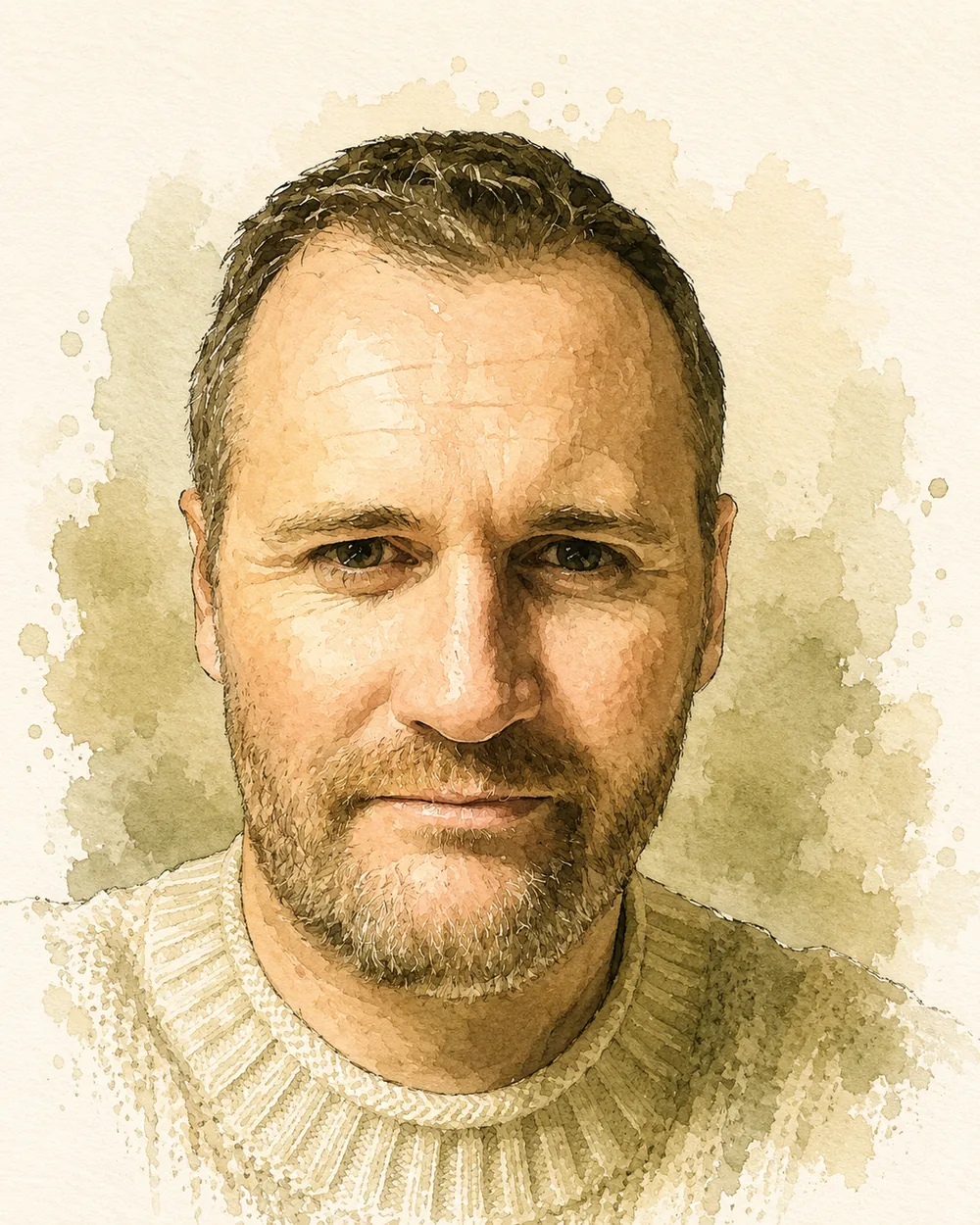
About the author
Mark
Specialist dyslexia assessor and founder of Defining Dyslexia
Mark is a qualified teacher and specialist assessor who has worked across mainstream and SEND education, including as a SENCo. He holds an Assessment Practising Certificate and is a member of PATOSS, and he carries out every Defining Dyslexia assessment personally, from the first conversation through to talking the report through with you.
- PATOSS member
- Assessment Practising Certificate
- PGCE
- NASENCo
- CPT3A
- PgDip SpLD
About Defining Dyslexia
Diagnostic dyslexia assessments for children, adults and students
Defining Dyslexia provides full diagnostic SpLD assessments for children, adults and university and college students. Face-to-face assessments are available across our local service areas in South Yorkshire, Chesterfield and surrounding Derbyshire, Wakefield, Peterborough, Stamford, Rutland, Grantham and South Lincolnshire, with remote assessment available UK-wide. Every assessment includes time to talk through the findings together, so you leave with a clear understanding of the results rather than a document to decipher alone.
If you have questions, or you are wondering whether an assessment might be the right next step, a free 15-minute telephone call is available with no obligation.