
From Knowing to Showing: Dyslexia in Adult Life and Work
A practical adult companion to our study-skills series. Six guides help you turn understanding into emails, reports, notes and assessed work.
By Mark, specialist dyslexia assessor

You can explain the idea in a conversation. You can make a sound decision at work. Yet the email or assignment that should show your understanding takes much more effort than expected.
From Knowing to Showing: Dyslexia in Adult Life and Work is a six-part practical companion to our existing study-skills series. It follows real tasks rather than a diagnostic checklist. Each guide gives you an example and a small action to try.
Knowing the subject and producing the work
Writing and reading involve more than understanding. They also ask you to organise information and manage the format. A helpful working method can make those demands more visible without assuming everyone needs the same approach.
Some dyslexic adults recognise these experiences. Others do not. The NHS adult dyslexia guidance describes possible reading and writing difficulties. Stress and unfamiliar tasks can contribute too. These articles do not establish a diagnosis or replace individual advice.
Choose the task that fits today
You can read the series in order or start with the task taking most effort. The first guide is about building a draft. The second is about deciding when an email has been checked enough. The other guides cover support conversations and access to information before returning to study.
- 1. I can explain it, but writing it takes forever
- 2. Why does one email take me half an hour?
- 3. I know my job, so why do written tasks make me doubt myself?
- 4. How can I take notes and listen at the same time?
- 5. I understand the document, but getting through it is exhausting
- 6. Back to studying: I know the subject, but struggle to show it
Connect with the original series
The original From Knowing to Showing: Dyslexia, Exams and Written Work remains available for learners and the people supporting them. Its question-planning and checking guides can also be useful when adults return to study. This companion uses workplace and adult-learning examples rather than repeating those articles.
Practical support without a compulsory diagnosis
Try one approach and notice whether it fits the task. You can discuss a clearer brief or an approved tool without deciding immediately about disclosure. Our dyslexia at work page explains the wider support routes.
If you want to explore a longstanding pattern, the adult assessment page explains that option. Assessment is not always necessary before a practical change. Existing reports may already meet an evidence requirement. Check with the relevant organisation before paying for reassessment.
About Defining Dyslexia and the author
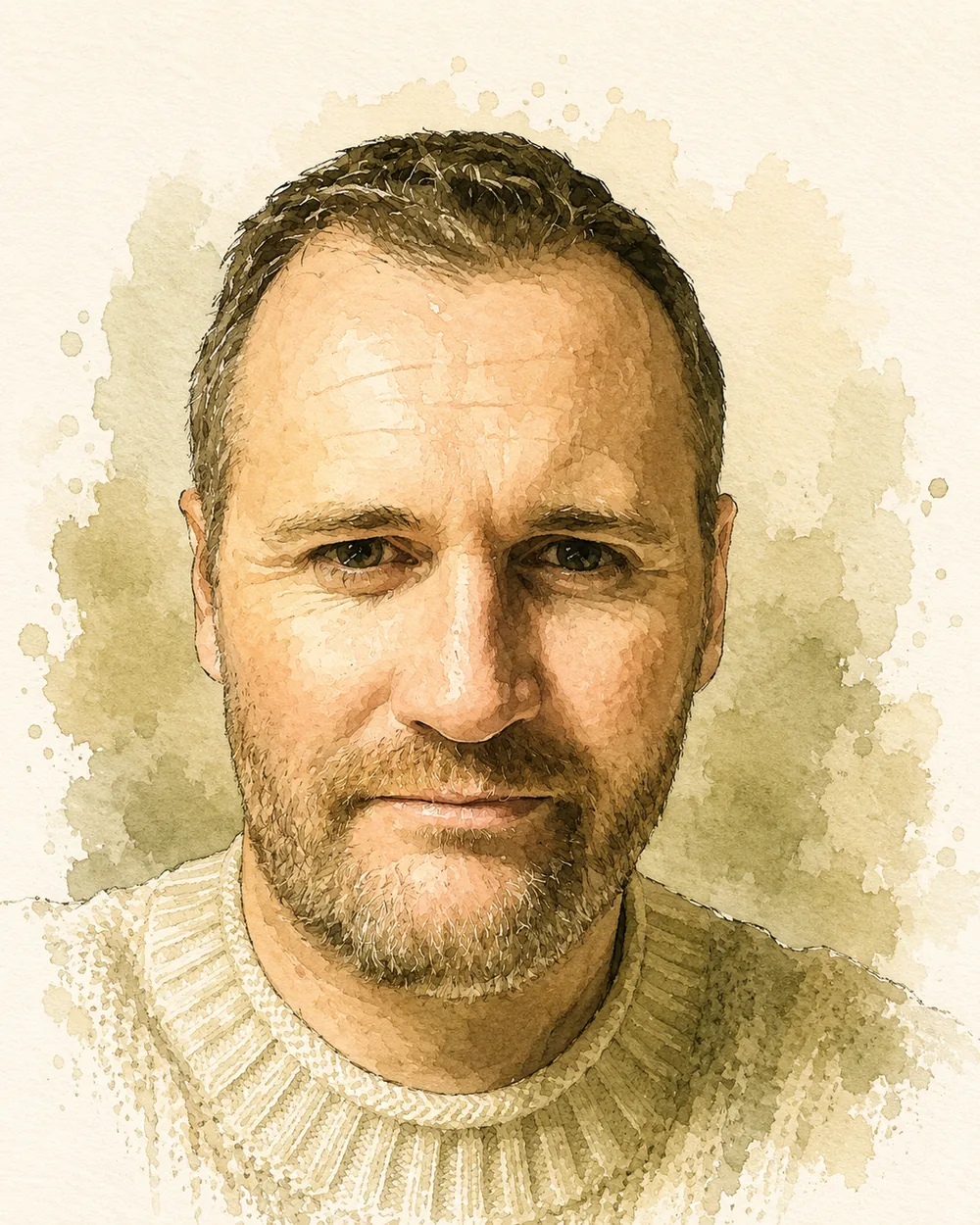
About the author
Mark
Specialist dyslexia assessor and founder of Defining Dyslexia
Mark is a qualified teacher and specialist assessor who has worked across mainstream and SEND education, including as a SENCo. He holds an Assessment Practising Certificate and is a member of PATOSS, and he carries out every Defining Dyslexia assessment personally, from the first conversation through to talking the report through with you.
- PATOSS member
- Assessment Practising Certificate
- PGCE
- NASENCo
- CPT3A
- PgDip SpLD
About Defining Dyslexia
Diagnostic dyslexia assessments for children, adults and students
Defining Dyslexia provides full diagnostic SpLD assessments for children, adults and university and college students. Face-to-face assessments are available across our local service areas in South Yorkshire, Chesterfield and surrounding Derbyshire, Wakefield, Peterborough, Stamford, Rutland, Grantham and South Lincolnshire, with remote assessment available UK-wide. Every assessment includes time to talk through the findings together, so you leave with a clear understanding of the results rather than a document to decipher alone.
If you have questions, or you are wondering whether an assessment might be the right next step, a free 15-minute telephone call is available with no obligation.