
I know my job, so why do written tasks make me doubt myself?
Describe the task rather than judging your whole ability. A practical framework for explaining needs and reviewing support while choosing what to share.
By Mark, specialist dyslexia assessor

You can answer a colleague’s question and solve a practical problem. Yet a report takes most of the afternoon. By the time you finish, you are wondering whether you really know your job as well as you thought.
Written tasks are visible. The preparation and checking behind them often are not. It helps to separate what you know from what the task asks you to produce. Both deserve attention without turning a slow draft into a judgement about your whole ability.
Look at the task rather than your identity
“I am bad at my job” is too broad to guide a useful change. “I lose my structure while rewriting the monthly report” identifies a specific barrier. You can then consider a template or a clearer brief.
A person may need support with writing and still make sound professional decisions. They may also need training in a new process. Those possibilities can coexist. Support should not mean avoiding accurate feedback or the responsibilities of the role.
Why confidence may be affected
The NHS adult dyslexia guidance describes how reading and writing can require additional effort for some adults. It does not mean that everyone has the same profile. Slow written work alone does not prove dyslexia.
Repeated correction may make a task feel risky. Unclear expectations or excessive workload can also undermine confidence. Anxiety may add to the checking load. These are possible contributors rather than a diagnostic checklist.
If self-doubt spreads beyond the task, our imposter-feelings guide explores that wider experience. This article concentrates on turning one written-work barrier into a practical support conversation.
Make a short task record
Choose one recurring piece of work. Record what you were asked to produce and where the process became difficult. Note a method that helped. Keep records within workplace confidentiality rules.
- Task: Write a short weekly project update.
- Barrier: The required headings are unclear and the draft keeps expanding.
- Existing strength: You can explain the project status accurately in a conversation.
- Possible change: Use agreed headings and a completed example.
- Review: Check whether the update answers the brief with less restarting.
This is an illustrative task analysis rather than a client account. It is not a log of everything you find difficult. One example is enough to begin a focused discussion.
This is an illustrative task analysis rather than a client account.
Explain the need in practical terms
A useful request names the task and the change. For example: “I can give an accurate project update. Turning it into the expected written format takes extra drafting. Could we agree the headings and look at one completed example?”
Another example is: “When I listen and write full notes at the same time, I miss parts of the discussion. Could we share the agenda first and confirm the actions afterwards?” You are explaining a working condition rather than asking someone to guess what you need.
You can discuss a working preference without starting with a diagnosis. You can also choose to share relevant information if that feels appropriate. Our employer-disclosure guide considers those choices without assuming there is one right decision.
Identify support that matches the barrier
Ask whether the difficulty is unclear instructions or missing knowledge. Then consider whether the format or pace is adding avoidable effort. The answer may involve training as well as a change to the task.
- An agreed report template can provide a starting structure.
- A clear priority can reduce repeated switching between urgent tasks.
- A protected drafting period may help where the role allows it.
- Approved text-to-speech may support checking.
- Specific feedback can show which changes matter for the next draft.
These are options to discuss rather than promised solutions. Agree a manageable trial and a review point. Ask what useful improvement would look like for you and the person receiving the work.
Support does not always require a new assessment
Acas guidance on neurodiversity adjustments explains that a diagnosis is not required to be considered disabled under the Equality Act 2010. It encourages support whether or not a worker has a diagnosis. Individual circumstances still matter. This is general information rather than legal advice.
A diagnostic assessment and a workplace needs assessment answer different questions. Neither guarantees a particular adjustment. If you are considering assessment, first identify the question you need answered. The adult assessment page explains the diagnostic route without making it a requirement for trying practical strategies.
One small action to try
Write one sentence beginning “The part that takes extra effort is…” Add one possible change. You can keep it private or use it in a conversation with someone appropriate. If distress is persistent or affects everyday life, consider support from your GP or a qualified mental-health professional rather than relying on writing strategies alone.
About Defining Dyslexia and the author
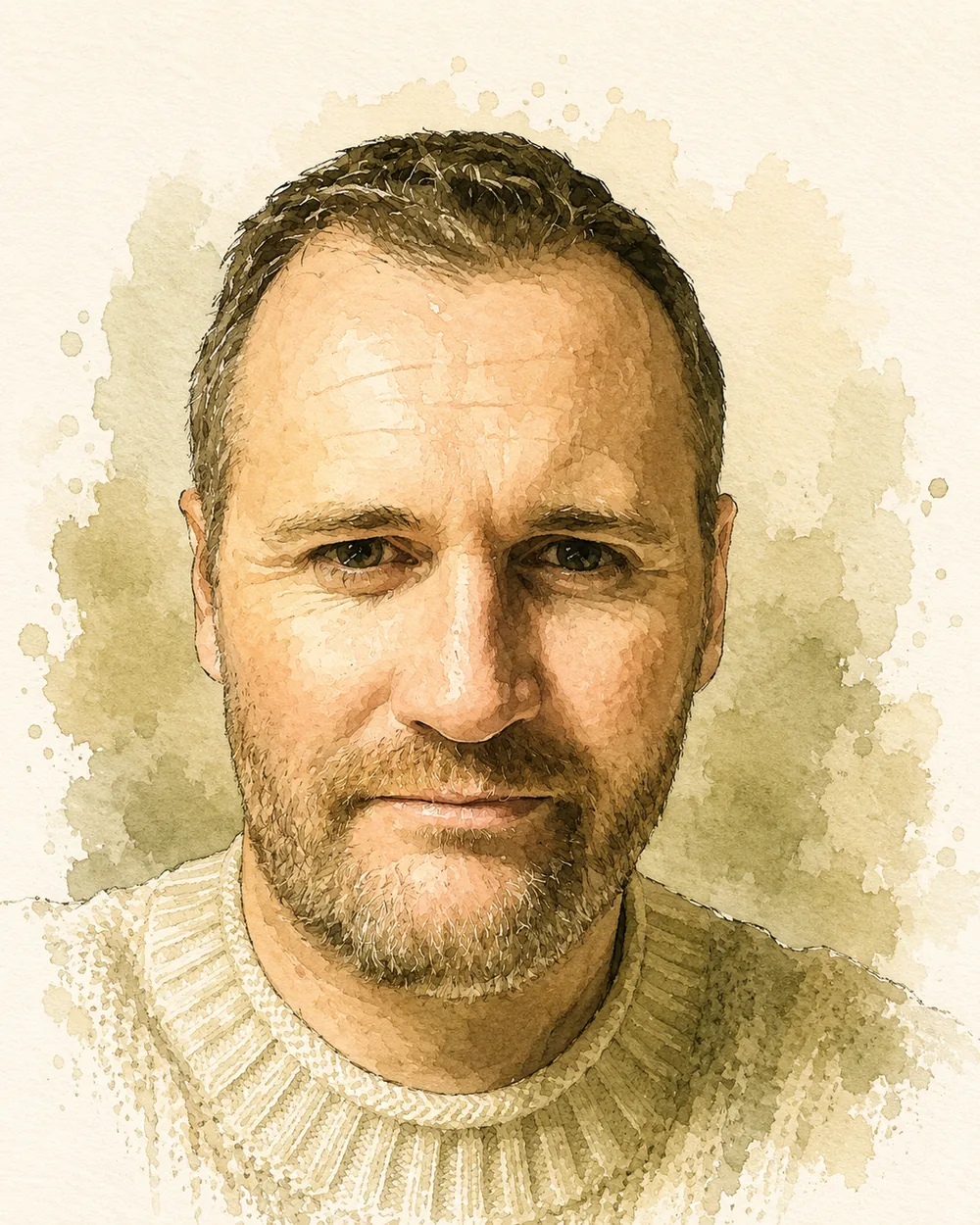
About the author
Mark
Specialist dyslexia assessor and founder of Defining Dyslexia
Mark is a qualified teacher and specialist assessor who has worked across mainstream and SEND education, including as a SENCo. He holds an Assessment Practising Certificate and is a member of PATOSS, and he carries out every Defining Dyslexia assessment personally, from the first conversation through to talking the report through with you.
- PATOSS member
- Assessment Practising Certificate
- PGCE
- NASENCo
- CPT3A
- PgDip SpLD
About Defining Dyslexia
Diagnostic dyslexia assessments for children, adults and students
Defining Dyslexia provides full diagnostic SpLD assessments for children, adults and university and college students. Face-to-face assessments are available across our local service areas in South Yorkshire, Chesterfield and surrounding Derbyshire, Wakefield, Peterborough, Stamford, Rutland, Grantham and South Lincolnshire, with remote assessment available UK-wide. Every assessment includes time to talk through the findings together, so you leave with a clear understanding of the results rather than a document to decipher alone.
If you have questions, or you are wondering whether an assessment might be the right next step, a free 15-minute telephone call is available with no obligation.