
Dyslexia and Imposter Syndrome at Work
A balanced look at self-doubt, hidden effort and the difference between needing support and lacking ability. Practical conversations without forced positivity.
By Mark, specialist dyslexia assessor

You finish a piece of work successfully, then explain it away: perhaps you were lucky, had too much help or simply worked longer than everyone else. A small error, by contrast, feels like the evidence that finally exposes you.
Some capable dyslexic adults recognise that imbalance. Others do not. The question is not whether you should feel positive all the time, but whether your view of your ability reflects the evidence fairly.
What people usually mean by imposter syndrome
“Imposter syndrome” is a commonly used description of feeling undeserving of success or fearing that others will discover you are not as capable as they think. It is not a formal diagnosis. It can be a useful way of naming an experience, but it does not explain every kind of self-doubt or replace a mental-health assessment.
Why dyslexia may contribute for some adults
The British Dyslexia Association’s adult guidance notes that some adults experience low self-esteem, particularly when earlier difficulties went unrecognised. A history of correction, comparison or misunderstood mistakes may influence how you interpret feedback now. That is a possible connection, not a claim that dyslexia causes imposter feelings in everyone.
If spelling errors attracted attention while thoughtful ideas passed without comment, you may have learnt to monitor the most visible weakness. If you now work longer than colleagues realise, a successful result can feel as though it only “counts” if it was effortless. Neither conclusion tells the whole story of your work.
Masking can make this harder for some people. Keeping support out of view may preserve privacy, but it can also leave you believing that asking for help would reveal incompetence. You can decide what to share without having to pretend the working method costs nothing.
Needing an adjustment is not the same as lacking ability
Ability, access and working conditions are different questions. A professional can make sound decisions and still benefit from written priorities or text-to-speech. An adjustment changes a barrier; it does not erase the knowledge required to do the job.
It is also possible to need training in something new. Training and adjustments can coexist. Asking which is needed is more useful than assuming every difficult moment is either dyslexia or personal failure.
It is also possible to need training in something new.
Signs that self-doubt is affecting work
- You avoid a useful opportunity because you expect to be exposed.
- You repeatedly seek reassurance but cannot take in the answer.
- You work excessive hours to prevent even minor mistakes.
- You discount successful outcomes while replaying one imperfect message.
- You avoid a practical support request because it feels like admitting you cannot do the role.
These are prompts for reflection, not a screening checklist. Workload, bullying, unclear expectations or inconsistent feedback may also be part of the problem. Do not turn a difficult workplace into something you alone must think differently about.
Make the evidence more specific
Keep a short, private record of completed work and useful contributions: the problem, what you did and the result. You do not need a daily confidence diary. A few concrete examples can give you something to compare against the broad statement “I’m not good enough”. Follow workplace confidentiality rules when making notes.
Ask for specific feedback: which part worked, what needs improvement and what good performance looks like next time. If the feedback is “be more confident”, ask what action that would involve. Separate an error that needs correcting from a judgement about your identity.
For example, “I entered the wrong date and need a better date-checking step” gives you a next action. “I always get everything wrong” does not. The example is illustrative, not a client account.
Use support without making it another performance
A mentor, trusted colleague or structured supervision can help you review the evidence and the expectations of the role. Our guide to telling an employer about dyslexia considers what you might share; you do not need to repeat your whole history to discuss one barrier.
If writing emails or speaking under pressure is the main difficulty, describe that situation and the change that might help. Discuss reasonable adjustments with concrete examples. This is general employment information, not individual legal advice.
For managers: feedback people can use
Give feedback on the work, not on assumptions about intelligence or effort. Be clear about which errors matter, explain the expected standard and recognise the substance of a contribution as well as its presentation. Avoid public jokes about spelling or making someone disclose personal information to justify a working preference.
Psychologically safe communication means people can ask a question, flag uncertainty or report a mistake without humiliation. It does not mean avoiding accountability. A calm response, a clear next step and consistent expectations can make it easier to raise concerns early.
When self-doubt needs more support
If distress is persistent, affects sleep or everyday life, or makes work feel unmanageable, consider speaking to your GP or a qualified mental-health professional. An employee assistance programme may be another route if available. The NHS mental-health information and support pages explain support options, including urgent help when needed. This article does not replace professional advice.
A fairer view, rather than forced positivity
You do not have to turn every difficulty into a strength or feel confident before asking for a useful change. A more balanced view can include both: there are things you do well, and there are conditions or skills you need to work on. Start with one piece of evidence and one practical conversation, not a demand to become a different person.
About Defining Dyslexia and the author
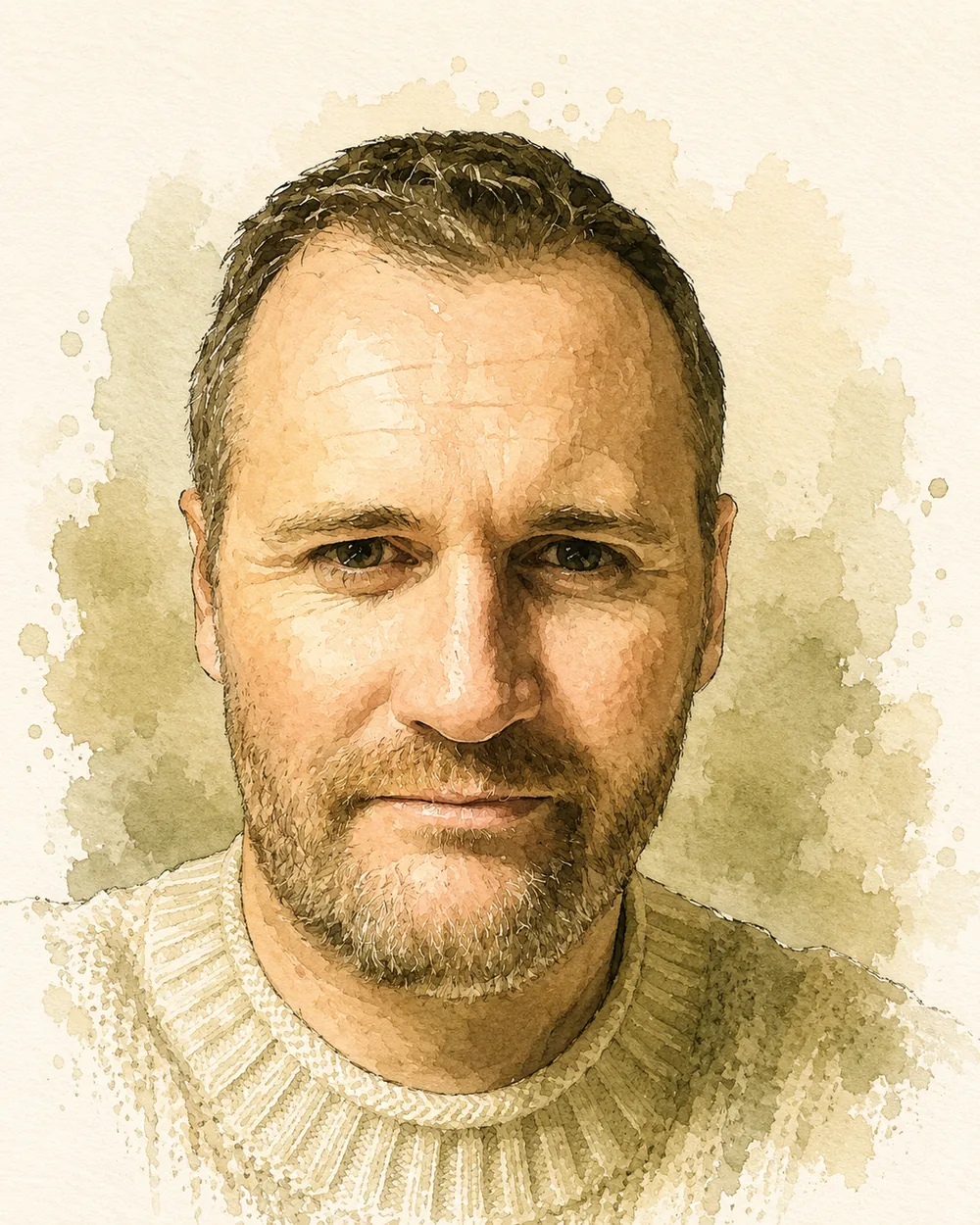
About the author
Mark
Specialist dyslexia assessor and founder of Defining Dyslexia
Mark is a qualified teacher and specialist assessor who has worked across mainstream and SEND education, including as a SENCo. He holds an Assessment Practising Certificate and is a member of PATOSS, and he carries out every Defining Dyslexia assessment personally, from the first conversation through to talking the report through with you.
- PATOSS member
- Assessment Practising Certificate
- PGCE
- NASENCo
- CPT3A
- PgDip SpLD
About Defining Dyslexia
Diagnostic dyslexia assessments for children, adults and students
Defining Dyslexia provides full diagnostic SpLD assessments for children, adults and university and college students. Face-to-face assessments are available across our local service areas in South Yorkshire, Chesterfield and surrounding Derbyshire, Wakefield, Peterborough, Stamford, Rutland, Grantham and South Lincolnshire, with remote assessment available UK-wide. Every assessment includes time to talk through the findings together, so you leave with a clear understanding of the results rather than a document to decipher alone.
If you have questions, or you are wondering whether an assessment might be the right next step, a free 15-minute telephone call is available with no obligation.