
Why Does Work Leave Me So Drained? Dyslexia and Mental Fatigue
For some dyslexic adults, the reading, writing and remembering built into everyday work takes extra effort, and that effort adds up. A look at why, what else might be involved, and what can help.
By Mark, specialist dyslexia assessor

You are good at your job. You understand the work, you solve problems and people rely on you. Yet by the end of the day you feel more tired than the work seems to justify, and much of that tiredness comes from emails, documents and notes rather than the job itself.
Some dyslexic adults describe exactly this. It is worth understanding why it can happen, and also what else might be going on.
Why everyday tasks can take more effort
When reading and spelling are automatic, they use little conscious attention. Where they are less automatic, the same tasks draw on working memory and concentration. Over a day this might include:
- reading long email threads and documents carefully, sometimes more than once
- writing and checking messages to avoid errors that others might judge
- holding verbal instructions or meeting points in mind while taking notes
- switching quickly between tasks and systems
- keeping track of names, numbers and deadlines
None of this means someone is less capable. It means the route to the same result can be longer. Our guide Why Am I So Much Better at My Job Than I Am at the Paperwork? explores that gap.
The hidden cost of compensating
Many adults have spent years developing strategies: arriving early to read ahead, rewriting emails several times, staying late to check work. These strategies are often effective, but they can hide how much effort is involved, even from colleagues and managers. Worry about being noticed can add further strain.
Fatigue is not diagnostic
Feeling drained by work is extremely common and has many possible causes, including workload, poor sleep, stress, anxiety or low mood, physical health conditions, caring responsibilities, ADHD or other neurodevelopmental differences. If fatigue is persistent or affecting your health, it is sensible to speak to your GP.
Dyslexia becomes a more likely part of the picture where tiredness is clearly linked to reading and writing tasks and sits within a longer history of literacy difficulty, often going back to school.
Many adults have spent years developing strategies: arriving early to read ahead, rewriting emails several times, staying late to check work.
What can help
- text-to-speech and speech-to-text software to reduce reading and typing effort
- receiving agendas and documents in advance
- written follow-ups after meetings or verbal instructions
- templates and checklists for repeated writing tasks
- planning demanding reading or writing for when you are freshest
- short breaks between intensive tasks
Some of these can be put in place informally. Others may be appropriate as reasonable adjustments; see What Reasonable Adjustments Can a Dyslexic Employee Ask For?. Whether to talk to your employer is a personal decision, covered in Should I Tell My Employer I Am Dyslexic?.
If you already have a diagnosis, a workplace needs assessment can recommend specific strategies and tools for your role. Support through Access to Work may also be available, depending on eligibility.
If you have never been assessed
If this sounds familiar and you have wondered about dyslexia for a long time, the free adult dyslexia indicator check can help you reflect on the wider pattern. You can read about adult dyslexia assessments or book a free 15-minute call.
Frequently asked questions
Can dyslexia make you tired at work?
For some people, yes. Where reading, writing and keeping track of information are less automatic, they take more conscious effort, which can accumulate over a day. Not every dyslexic person experiences this.
Is fatigue a sign of dyslexia?
Not on its own. Fatigue has many possible causes, including workload, sleep, stress, health and other neurodevelopmental differences. Dyslexia is more likely to be relevant when tiredness is linked to literacy tasks and there is a longer history of difficulty.
What adjustments might reduce mental fatigue at work?
Common examples include assistive software, documents in advance, written follow-ups to meetings, templates and planned breaks. What is reasonable depends on the role and the employer's circumstances.
Do I need a diagnosis to ask for adjustments?
You can ask for support without one, and many employers will discuss practical changes. A diagnostic report can help explain your needs, but it does not guarantee particular adjustments.
About Defining Dyslexia and the author
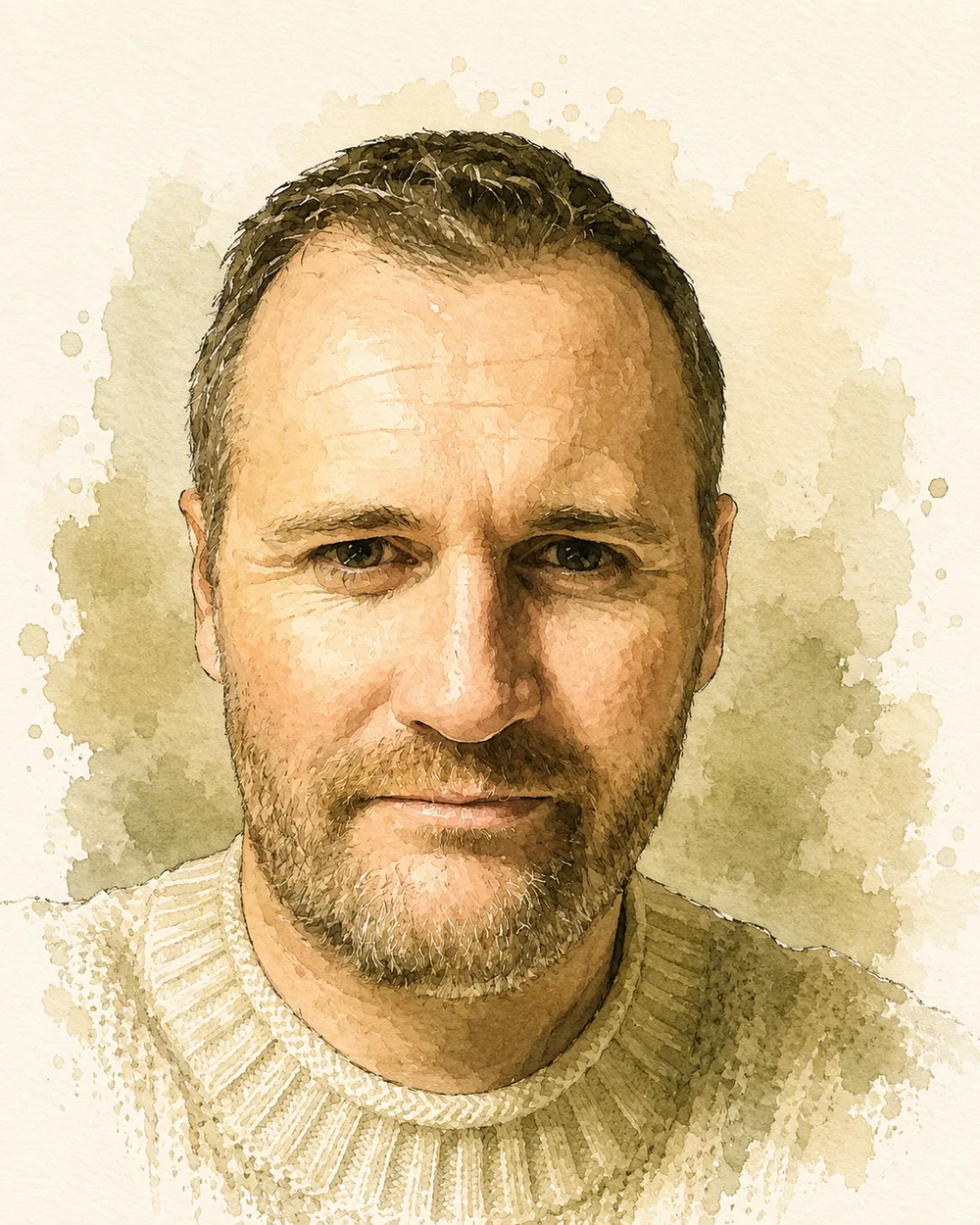
About the author
Mark
Specialist dyslexia assessor and founder of Defining Dyslexia
Mark is a qualified teacher and specialist assessor who has worked across mainstream and SEND education, including as a SENCo. He holds an Assessment Practising Certificate and is a member of PATOSS, and he carries out every Defining Dyslexia assessment personally, from the first conversation through to talking the report through with you.
- PATOSS member
- Assessment Practising Certificate
- PGCE
- NASENCo
- CPT3A
- PgDip SpLD
About Defining Dyslexia
Diagnostic dyslexia assessments for children, adults and students
Defining Dyslexia provides full diagnostic SpLD assessments for children, adults and university and college students. Face-to-face assessments are available across our local service areas in South Yorkshire, Chesterfield and surrounding Derbyshire, Wakefield, Peterborough, Stamford, Rutland, Grantham and South Lincolnshire, with remote assessment available UK-wide. Every assessment includes time to talk through the findings together, so you leave with a clear understanding of the results rather than a document to decipher alone.
If you have questions, or you are wondering whether an assessment might be the right next step, a free 15-minute telephone call is available with no obligation.