
How can I take notes and listen at the same time?
Use a small action-note template instead of trying to capture every sentence. Prepare key headings and confirm decisions after meetings or training.
By Mark, specialist dyslexia assessor

You look down to finish a note. When you look up, the discussion has moved to another topic. You have a record of the previous point but are not sure what you have just missed.
Meetings and training can ask you to listen and decide what matters while writing. This article helps you choose what to capture. It complements our guide to why meetings can be difficult with templates and a follow-up routine.
Decide what the notes are for
You may need a record of actions rather than a transcript. A training session may require a sequence you can use later. Knowing the purpose reduces the pressure to write every sentence.
Some dyslexic adults find writing effortful. The NHS adult guidance describes possible difficulties with writing and following several instructions. Not everyone with dyslexia experiences them. Poor audio and an unfamiliar topic can make note-taking difficult for anyone.
If your role requires formal minutes or a regulated record, follow that process. Personal action notes are not a substitute. Ask whether the meeting can have a designated minute-taker so that your participation and the official record have clear roles.
Prepare a place for the information
Ask for an agenda or training outline in advance where possible. Put its headings into one notebook or authorised digital document. Add a short question under any item you already need to clarify.
Keep the official papers open separately if that helps. Do not create several competing sets of notes. A date and descriptive heading make the record easier to find afterwards.
An action-note template for meetings
Use four headings. Leave space beneath each one rather than trying to fill the page beforehand.
- Topic: Which item are we discussing?
- Decision: What has actually been agreed?
- Action: Who will do what and by when?
- Question: What still needs clarification?
A fictional example could be: “Topic: induction checklist. Decision: use the revised equipment section. Action: I will send the final draft by the agreed date. Question: who approves the safety wording?” This separates a decision from a suggestion that has not yet been agreed.
Capture short phrases first. If you missed the owner of an action, put a question mark beside that field. Ask for confirmation rather than filling the gap from memory.
Capture short phrases first. If you missed the owner of an action, put a question mark beside that field.
A process-note template for training
Training often needs a different shape. Use purpose → steps → checks → help. You are building a reference you can return to rather than recording a performance of good listening.
- Purpose: What is this process used for?
- Steps: What happens first and next?
- Checks: What must be confirmed before continuing?
- Help: Where is the official guidance and who can answer questions?
For a routine file submission, note where the authorised checklist lives. Record the correct sequence and who confirms receipt. Do not copy a safety-critical process from an informal demonstration and assume your notes replace the required training.
Protect listening during the discussion
Listen for the end of a point before adding a brief phrase. You can say: “Could we pause while I note the action?” You can also ask for the decision to be repeated when several suggestions have been discussed.
If full slides are available afterwards, note the relevant slide number and your question. Do not spend the session copying text that will already be provided. Ask whether the materials can be shared if that has not been arranged.
Recording and transcription need agreement
Do not record a meeting secretly. Obtain permission and follow workplace policy before using audio recording or transcription. Use only approved tools and check where recordings are stored. Agree who may access them and how long they will be kept.
Automated transcripts may mishear names or miss who agreed an action. Check important decisions against the agreed record. A transcript is not automatically an authorised set of minutes. If recording is not permitted, ask for written actions or a shared summary instead.
Follow up while the context is fresh
Review only the decisions and your actions first. Send a short clarification if something is uncertain: “My understanding is that I will update the checklist. Could you confirm the approval step and deadline?” Do not guess a missing detail to make the notes look complete.
Move confirmed actions into the system you already use. Link back to the meeting note rather than copying everything again. Our spoken-instructions guide offers more ways to confirm a sequence.
One small action to try
Prepare the four action headings before your next routine meeting. Aim to leave with your own responsibilities clear. If the demands remain difficult, discuss shared notes or other workplace adjustments. You do not need to decide about assessment before requesting a clearer record.
About Defining Dyslexia and the author
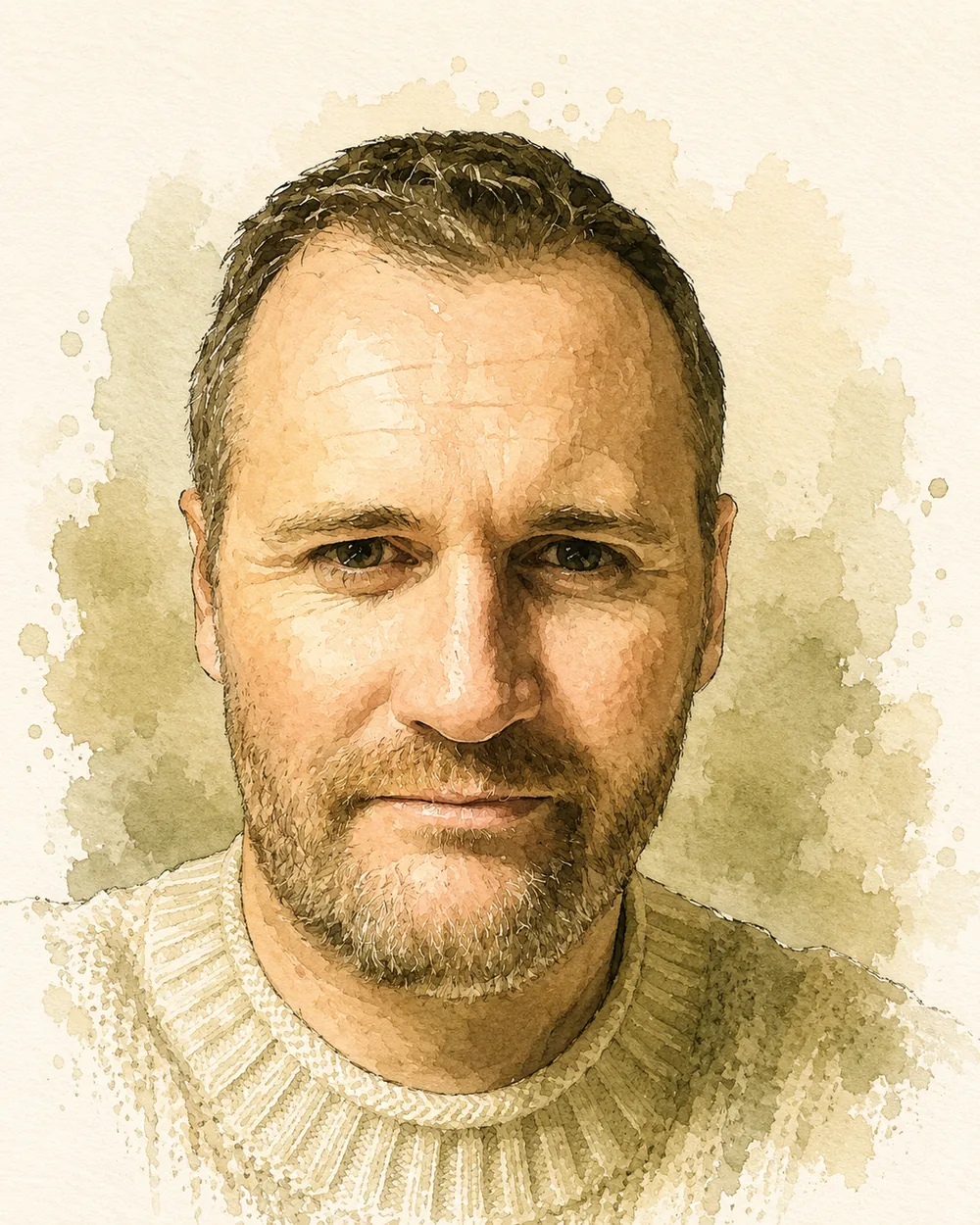
About the author
Mark
Specialist dyslexia assessor and founder of Defining Dyslexia
Mark is a qualified teacher and specialist assessor who has worked across mainstream and SEND education, including as a SENCo. He holds an Assessment Practising Certificate and is a member of PATOSS, and he carries out every Defining Dyslexia assessment personally, from the first conversation through to talking the report through with you.
- PATOSS member
- Assessment Practising Certificate
- PGCE
- NASENCo
- CPT3A
- PgDip SpLD
About Defining Dyslexia
Diagnostic dyslexia assessments for children, adults and students
Defining Dyslexia provides full diagnostic SpLD assessments for children, adults and university and college students. Face-to-face assessments are available across our local service areas in South Yorkshire, Chesterfield and surrounding Derbyshire, Wakefield, Peterborough, Stamford, Rutland, Grantham and South Lincolnshire, with remote assessment available UK-wide. Every assessment includes time to talk through the findings together, so you leave with a clear understanding of the results rather than a document to decipher alone.
If you have questions, or you are wondering whether an assessment might be the right next step, a free 15-minute telephone call is available with no obligation.