
I understand the document, but getting through it is exhausting
A practical route through long documents: identify the purpose, locate relevant sections and record actions. Use text-to-speech selectively and check critical details.
By Mark, specialist dyslexia assessor

You understand the policy when someone discusses it with you. Reading the whole document alone is another matter. You reach the end of a page and need to go back to find the action that applies to your work.
Understanding and getting through a large amount of text are different demands. This article focuses on making the reading task more purposeful. It does not ask you to skip information your role requires you to know.
Why reading can take extra effort
Some dyslexic adults read accurately but slowly. Some need to reread parts of a document. The NHS adult dyslexia guidance also describes tiredness with extensive reading and writing. These are possible experiences rather than a description of everyone with dyslexia.
Dense layout and unfamiliar terminology can increase effort too. Poor sleep or anxiety may affect concentration. An inaccessible scan can make a document harder to use regardless of diagnosis. These difficulties do not establish that dyslexia is the cause.
New or persistent tiredness deserves attention beyond a reading technique. Speak to your GP if it worries you or affects everyday life. Our workplace fatigue guide considers that wider picture.
Define the reading job first
Ask what you need from the document. Are you finding a deadline or learning a changed procedure? Are you reviewing the reasoning behind a decision? Those tasks need different depths of reading.
If you have been told to read everything, clarify what understanding you are expected to demonstrate. Required legal or safety material may need full reading and formal training. Purposeful reading helps you organise that work rather than avoid it.
Map the document before reading closely
Check the title and version. Look at the contents and headings. Identify the sections that relate to your question. Keep a note of where you need to return for context or exceptions.
Search can help you locate a term in an accessible digital document. It cannot show every relevant condition on its own. Read around each result and follow cross-references. A keyword match is a starting point rather than proof you have found the full instruction.
A worked example: a revised expenses policy
Imagine you need to submit a travel claim under a new policy. This is a fictional example and not financial advice. Your reading question is: “What evidence must I provide and what is the submission process?”
Start with the contents and the section on claims. Then read the eligibility rules and the exceptions that apply to your journey. Record the policy version so that you do not rely on an old saved copy.
- Action: Submit through the approved system.
- Evidence: Check which receipts or approvals are required.
- Timing: Copy the actual deadline from the policy.
- Exception: Identify anything requiring prior approval.
- Question: Ask the responsible team about any unclear wording.
The note is a route back to the official document. It should not replace it. Do not invent a deadline or rely on an automated summary for a rule that affects payment.
The note is a route back to the official document. It should not replace it.
Break the reading into meaningful sections
Choose one heading at a time. After the section, write a one-sentence summary or the action it creates. If you cannot summarise it, identify the unclear term and check it before moving on.
Use short pauses where the work allows them. A pause can help you notice when you are rereading without taking in meaning. Leave a marker and a next-step note so that returning does not require starting again.
Use text-to-speech selectively
Approved text-to-speech can provide another way to access a long passage. Try a comfortable pace and follow the relevant paragraph on screen if useful. You can listen to one section rather than the entire document.
It may pronounce abbreviations badly or read a table in an unhelpful order. Scanned documents may contain text-recognition errors. Check important numbers and conditions visually against the official source. Listening is an option rather than a guarantee of understanding.
Ask for an accessible version if the document cannot be read reliably by the tool. Follow workplace confidentiality rules. Do not upload restricted information to a public reading or summarisation service without approval. Our assistive-technology guidance explores the wider options.
Turn reading into a next action
At the end, separate what you must do from what you may need later. Record the source and the question that remains. If you need clarification, point to the exact section rather than saying the whole document is confusing.
For example: “Section 4 appears to require prior approval for this journey. Could you confirm who gives that approval?” A precise question can be easier for the responsible person to answer.
One small action to try
Before opening your next long document, write one reading question. After the relevant section, record one action and its source. You can begin this without assessment. If reading has been persistently effortful across different settings, the adult assessment page explains how to explore that pattern without assuming it has only one cause.
About Defining Dyslexia and the author
About the author
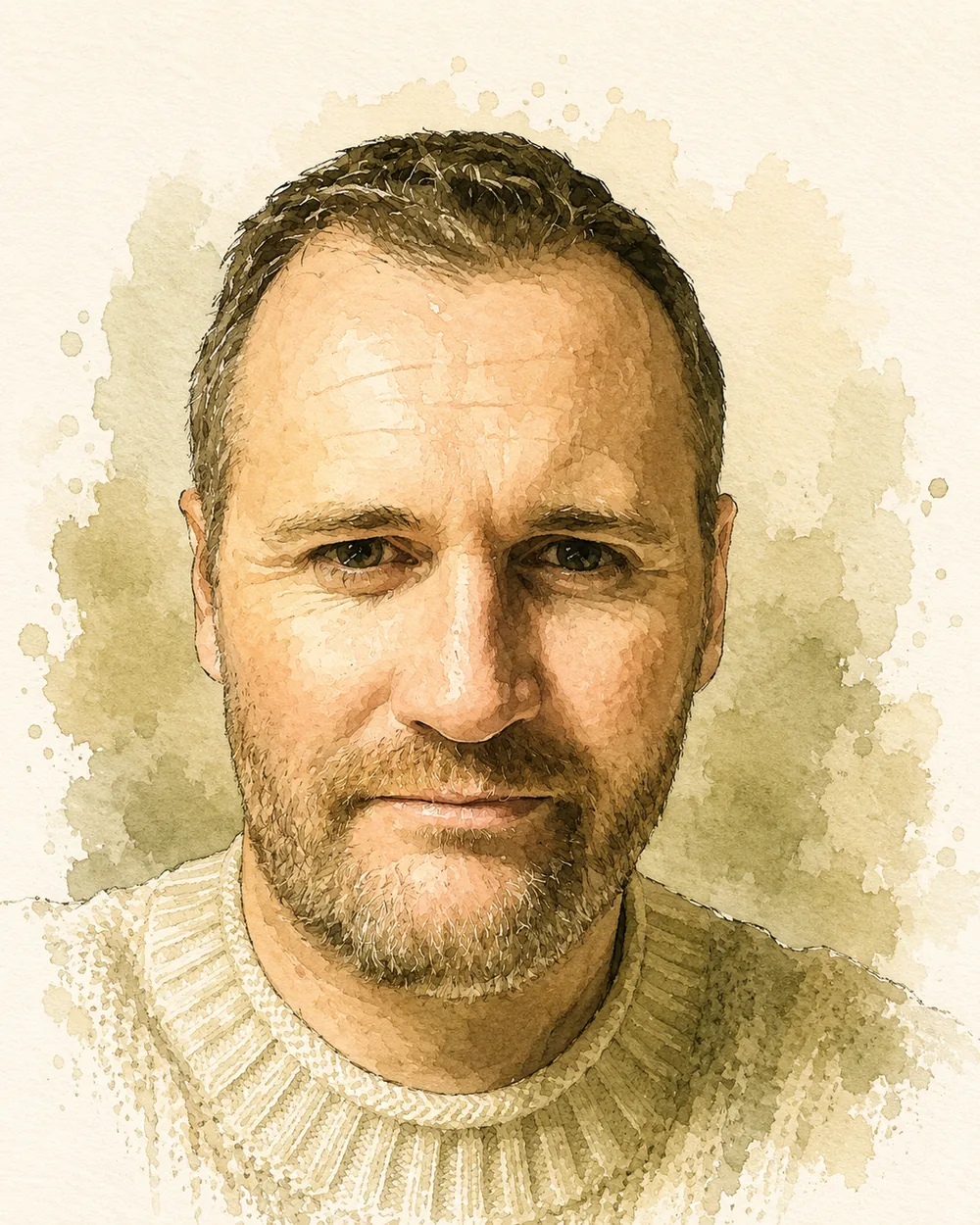
Mark
Specialist dyslexia assessor and founder of Defining Dyslexia
Mark is a qualified teacher and specialist assessor who has worked across mainstream and SEND education, including as a SENCo. He holds an Assessment Practising Certificate and is a member of PATOSS, and he carries out every Defining Dyslexia assessment personally, from the first conversation through to talking the report through with you.
- PATOSS member
- Assessment Practising Certificate
- PGCE
- NASENCo
- CPT3A
- PgDip SpLD
About Defining Dyslexia
Diagnostic dyslexia assessments for children, adults and students
Defining Dyslexia provides full diagnostic SpLD assessments for children, adults and university and college students. Face-to-face assessments are available across our local service areas in South Yorkshire, Chesterfield and surrounding Derbyshire, Wakefield, Peterborough, Stamford, Rutland, Grantham and South Lincolnshire, with remote assessment available UK-wide. Every assessment includes time to talk through the findings together, so you leave with a clear understanding of the results rather than a document to decipher alone.
If you have questions, or you are wondering whether an assessment might be the right next step, a free 15-minute telephone call is available with no obligation.