From Knowing to Showing: Dyslexia, Exams and Written Work
A nine-part study-skills series for dyslexic learners, parents and teachers: from understanding the question to checking work and managing exam time.
By Mark, specialist dyslexia assessor
Many dyslexic learners understand far more than their written work suggests.
The challenge is often not a lack of knowledge. It is the process of showing that knowledge in writing. Understanding the question, planning a response, organising ideas, getting started and checking work can all place significant demands on working memory, processing speed and written expression.
This series brings those steps together.
It is designed for parents, teachers and learners who want practical ways to bridge the gap between knowing and showing.
The series, in order
- 1. Why Breaking Down a Question Can Help Dyslexic Learners
- 2. Why Planning an Answer Can Help Dyslexic Learners
- 3. I Know the Answer, but I Can’t Get It Onto Paper
- 4. Why Command Words Matter in Exams
- 5. How to Structure a Longer Answer Without Losing Your Thread
- 6. Why Writing More Does Not Always Mean Getting More Marks
- 7. How to Start When Your Mind Goes Blank
- 8. How to Check Your Work When You Are Dyslexic
- 9. What to Do If You Run Out of Time in an Exam
Where to start
If you are new to the series, start with breaking down a question and work through in order. Each article builds on the one before, following the same simple routine:
READ → BREAK IT DOWN → PLAN → WRITE → CHECK
For wider ideas at home, see practical homework strategies that actually help.
About Defining Dyslexia and the author
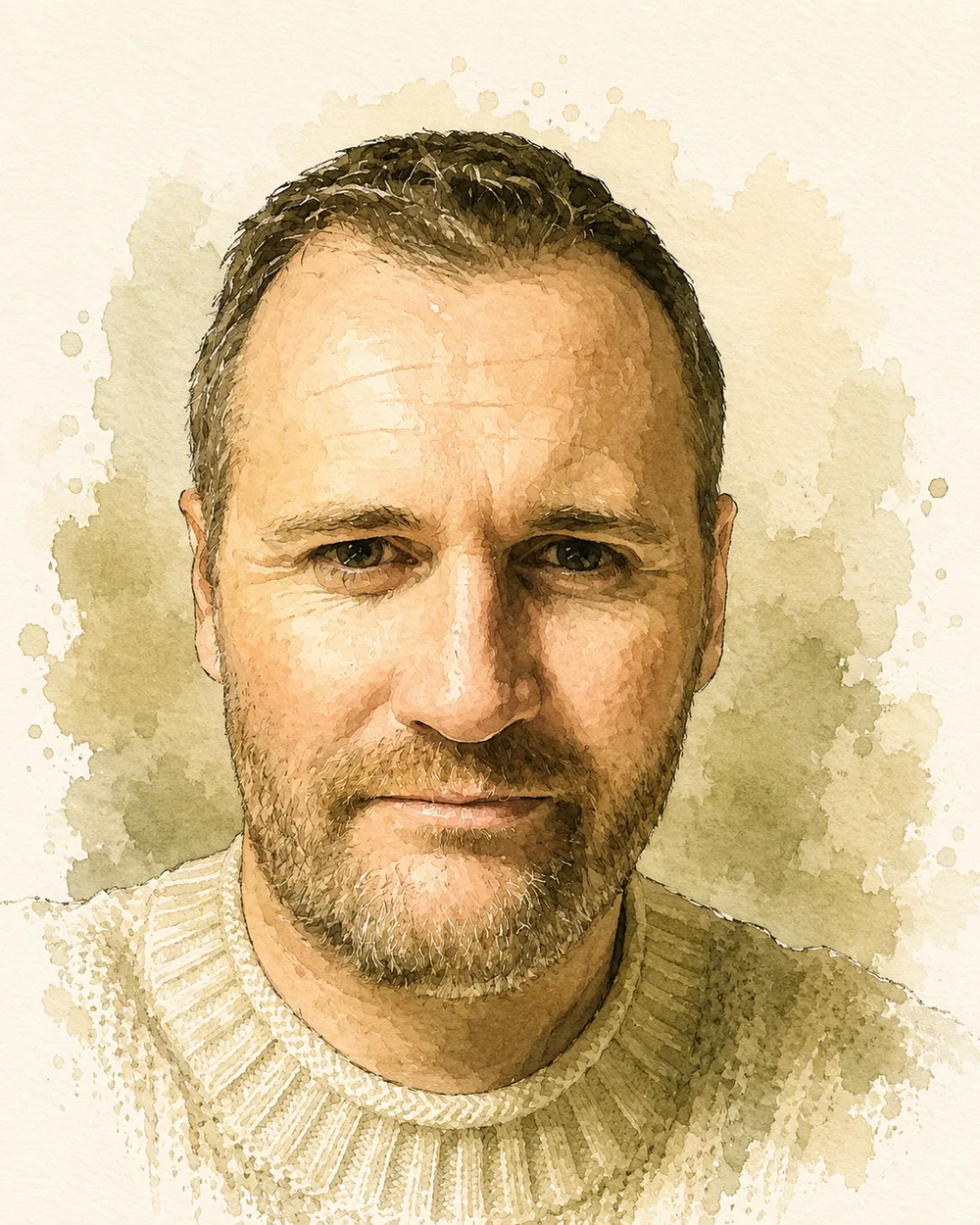
About the author
Mark
Specialist dyslexia assessor and founder of Defining Dyslexia
Mark is a qualified teacher and specialist assessor who has worked across mainstream and SEND education, including as a SENCo. He holds an Assessment Practising Certificate and is a member of PATOSS, and he carries out every Defining Dyslexia assessment personally, from the first conversation through to talking the report through with you.
- PATOSS member
- Assessment Practising Certificate
- PGCE
- NASENCo
- CPT3A
- PgDip SpLD
About Defining Dyslexia
Diagnostic dyslexia assessments for children, adults and students
Defining Dyslexia provides full diagnostic SpLD assessments for children, adults and university and college students. Face-to-face assessments are available in Sheffield and South Yorkshire, Peterborough and Cambridgeshire, and Stamford and Rutland, with remote assessments available UK-wide. Every assessment includes time to talk through the findings together, so you leave with a clear understanding of the results rather than a document to decipher alone.
If you have questions, or you are wondering whether an assessment might be the right next step, a free 15-minute telephone call is available with no obligation.