
How to Structure a Longer Answer Without Losing Your Thread
Give every paragraph a job, keep the question visible and use a simple skeleton plan so longer answers feel manageable for dyslexic learners.
By Mark, specialist dyslexia assessor
Longer answers can feel difficult before the learner has even started.
A short question may ask for one fact or one explanation.
A longer question asks the learner to hold onto the question for much longer, organise several ideas, decide what order they should go in and keep linking back to the task.
For a dyslexic learner, this can place extra pressure on working memory and written organisation.
The answer is not necessarily to write more.
It is to make the structure more visible.
Give every paragraph a job
Before writing, decide what each paragraph needs to do.
For example:
- Paragraph 1 → first main point.
- Paragraph 2 → second main point.
- Paragraph 3 → alternative view, limitation or further evidence.
- Conclusion → bring the argument together.
This turns one large writing task into several smaller ones.
Start with the question, not the first sentence
A learner can spend too long trying to create the perfect opening sentence.
Instead, return to:
- What is the command word?
- What is the instruction?
- What are the key terms?
Then decide the main points.
The first sentence can come afterwards.
Use a skeleton plan
A useful plan for a longer answer can be very short:
- Point
- Evidence/example
- Explain
- Link back to question
Repeat for each paragraph.
This gives the learner a route through the answer without creating another piece of work. There is more on short plans in why planning an answer can help.
Keep the question visible
Some learners begin strongly, then gradually drift away from the question.
A simple strategy is to pause after each paragraph and ask:
Does this paragraph help answer the question?
If not, the learner may need to adjust before continuing.

If not, the learner may need to adjust before continuing.
Use signposting
Simple linking words can help the reader and the writer.
Examples:
- firstly;
- another reason;
- however;
- in contrast;
- therefore;
- this suggests;
- as a result;
- overall.
The aim is not to force formulaic writing.
It is to give the learner reliable ways to show how ideas connect.
Avoid overloading paragraph structures
Some learners are given highly complex paragraph acronyms.
These can help, but they can also become another thing to remember.
A simpler routine may work better:
POINT → SUPPORT → EXPLAIN → LINK
Or:
WHAT? → EVIDENCE → WHY? → BACK TO QUESTION
The best structure is the one the learner can actually use.
Use verbal rehearsal before a difficult paragraph
If a learner is stuck, ask them to say the paragraph aloud first.
- “What is the point?”
- “What example will you use?”
- “Why does it matter?”
- “How does it answer the question?”
Once they can say it, they have something to write.
Make the plan visible while writing
The learner should not hide the plan away.
Tick points off as they are used.
Add a word if a new idea appears.
Cross something out if it no longer fits.
The plan is a working tool, not a finished product.
Longer answers need decisions
The difficulty in extended writing is often not a lack of knowledge.
It is deciding:
- what to include;
- what to leave out;
- what order to use;
- how much explanation is enough;
- when to move on.
A visible structure reduces the number of decisions that need to be made while writing.
A simple longer-answer routine
- Break down the question.
- Choose your main points.
- Give each paragraph a job.
- Add evidence/examples.
- Write one paragraph at a time.
- Check each paragraph against the question.
- Finish with the overall answer or judgement where required.
A visible structure reduces the number of decisions that need to be made while writing.
The goal is not a perfect essay plan
The goal is to stop the learner carrying the whole answer in their head.
A good structure makes the next step obvious.
That is often what helps a longer answer feel manageable.
About Defining Dyslexia and the author
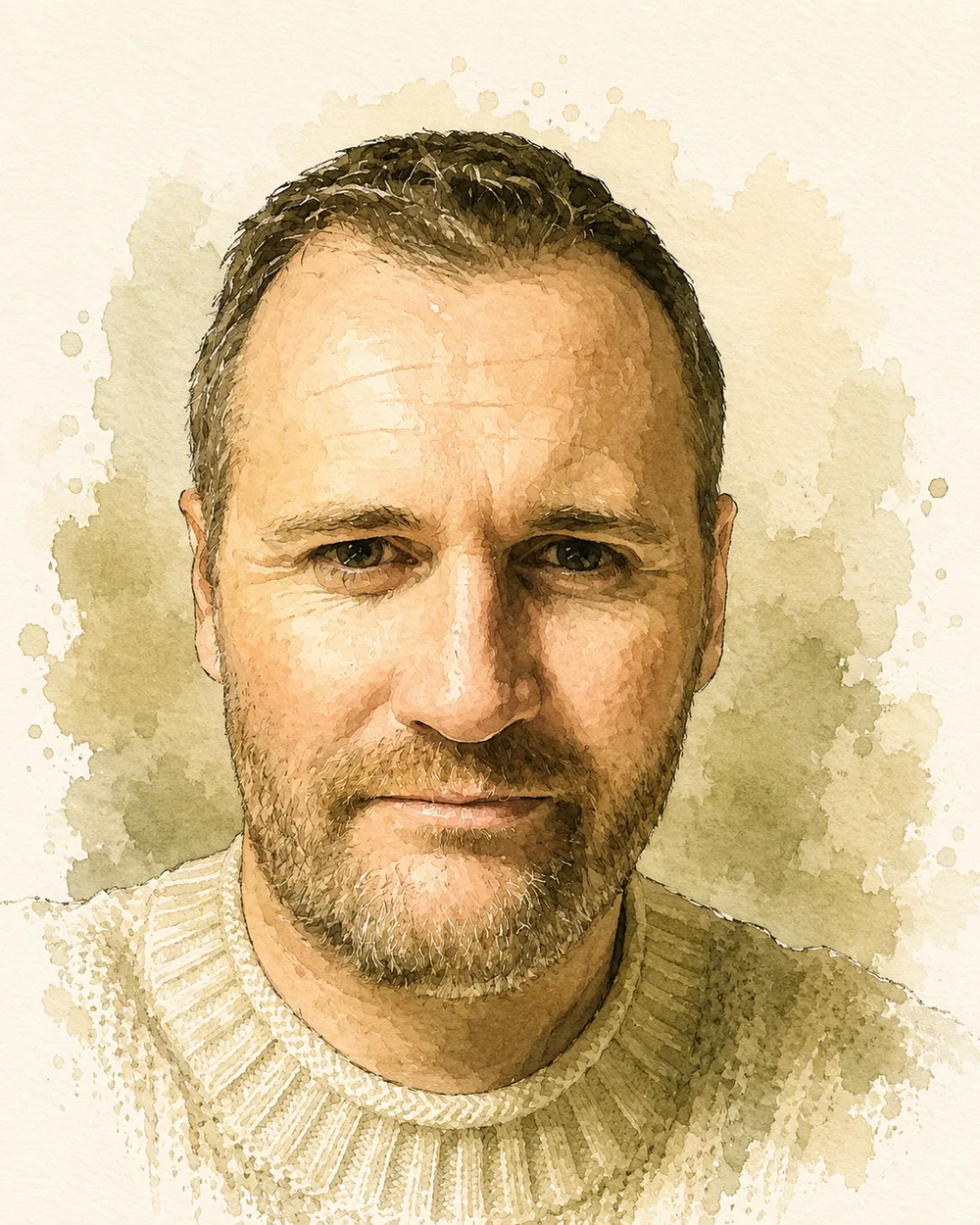
About the author
Mark
Specialist dyslexia assessor and founder of Defining Dyslexia
Mark is a qualified teacher and specialist assessor who has worked across mainstream and SEND education, including as a SENCo. He holds an Assessment Practising Certificate and is a member of PATOSS, and he carries out every Defining Dyslexia assessment personally, from the first conversation through to talking the report through with you.
- PATOSS member
- Assessment Practising Certificate
- PGCE
- NASENCo
- CPT3A
- PgDip SpLD
About Defining Dyslexia
Diagnostic dyslexia assessments for children, adults and students
Defining Dyslexia provides full diagnostic SpLD assessments for children, adults and university and college students. Face-to-face assessments are available in Sheffield and South Yorkshire, Peterborough and Cambridgeshire, and Stamford and Rutland, with remote assessments available UK-wide. Every assessment includes time to talk through the findings together, so you leave with a clear understanding of the results rather than a document to decipher alone.
If you have questions, or you are wondering whether an assessment might be the right next step, a free 15-minute telephone call is available with no obligation.