
What Does a Specialist Dyslexia Assessor Notice That a Screener Can’t?
A screener produces useful information. A specialist assessor must interpret the pattern around it, including how somebody works, their history and the effort behind a score.
By Mark, specialist dyslexia assessor

Dyslexia screeners can be useful. They can highlight areas worth exploring, identify possible indicators and help decide whether further investigation may be helpful. But there is an important difference between screening for possible indicators and carrying out a diagnostic assessment.
A screener produces information. A specialist assessor has to interpret it. Sometimes what happens between the scores is as interesting as the scores themselves.
A screener usually has a particular job
A screener generally asks whether somebody’s performance suggests that further investigation may be worthwhile. It is designed to be relatively quick and efficient, which is useful in schools, workplaces and other settings.
What it cannot do is consider everything known about that individual and make a professional judgement about whether the overall pattern is consistent with dyslexia. A screening result should therefore be treated as neither a diagnosis nor a definitive rule-out.
Our guides to a school screener that came back fine and the broader difference between a dyslexia test and assessment explain those purposes in more detail. Here, the focus is narrower: what professional interpretation adds.
An assessor is looking at a pattern
One score rarely tells the whole story. Somebody may read words accurately but much more slowly than expected. They may decode reasonably well but have persistent spelling difficulties. An apparently average result may have been achieved very cautiously, with considerable effort or by using well-practised strategies.
A specialist assessor considers how reading, spelling, written expression and relevant processing skills fit together. They look for a coherent pattern while remaining open to other explanations. If you are trying to understand the numbers themselves, see what dyslexia assessment scores actually mean.
We also notice how somebody completes a task
Imagine two children receive the same score. One responds quickly and automatically. The other pauses, sounds words out, tries an answer, notices an error and corrects it. The final number may match, but the route to it is quite different.
During an assessment, useful observations can include:
- speed and automaticity, not only whether an answer is correct
- self-correction and the strategies used to reach an answer
- whether accuracy changes as the demand increases
- differences between timed and untimed performance
- a trade-off between speed and accuracy
- recurring error patterns, rather than isolated mistakes
- fatigue, visible effort and inconsistencies across tasks
None of these observations diagnoses dyslexia on its own. Their value comes from how they contribute to the wider evidence.
None of these observations diagnoses dyslexia on its own.
History matters too
Developmental and educational history helps an assessor understand how the present-day picture developed. What teaching or intervention has been provided? Did a child make progress only after sustained support? Has an adult built reliable coping strategies over many years?
The question is not simply, ‘What can they do today?’ It is also, ‘How did they get here, and how much support or effort has that taken?’
Apparently contradictory results aren’t necessarily a problem
Real profiles are not always tidy. A strong result in one task and difficulty in another may reflect compensation, effective intervention, the different skills being measured or an alternative explanation that needs to be explored.
Professional interpretation means investigating those differences rather than forcing the results into a predetermined conclusion. The assessor should be able to explain why apparently conflicting evidence does or does not form a meaningful pattern.
Assessment isn’t about finding enough low scores
A diagnostic assessment is not a hunt for poor results, and it should never begin with a conclusion that the evidence must confirm. Sometimes assessment identifies dyslexia. Sometimes it does not. Sometimes it reveals a more complex or mixed learning profile.
The aim is accurate understanding: recognising strengths, identifying genuine barriers and deciding what the evidence supports.
So are screeners useful?
Yes, when they are used for the right purpose. Screening can organise concerns and indicate whether a fuller conversation or assessment may be worthwhile. It is simply not designed to replace professional interpretation.
Related reading
If a screening result does not match what you are seeing at home, school, university or work, you are welcome to get in touch for an initial conversation about whether a full assessment would be useful. There is no obligation to proceed.
Frequently asked questions
Can a dyslexia screener diagnose dyslexia?
No. A screener can indicate that dyslexia-related difficulties may be present and that further investigation could be useful, but diagnosis requires a suitably qualified professional to consider the full pattern of evidence.
Can an average score still be relevant in a dyslexia assessment?
Yes. An assessor considers how the score was achieved, the pattern across tasks, the person’s history and the support or effort involved. An average score neither confirms nor rules out dyslexia by itself.
Does an assessor decide from observations alone?
No. Observations such as effort, self-correction and strategy use add context to standardised results, history and other evidence. No single observation establishes dyslexia.
What if the assessment evidence does not support dyslexia?
That is a valid outcome. A responsible assessment explores other possible explanations and describes the person’s strengths and difficulties rather than trying to force a diagnosis.
About Defining Dyslexia and the author
About the author
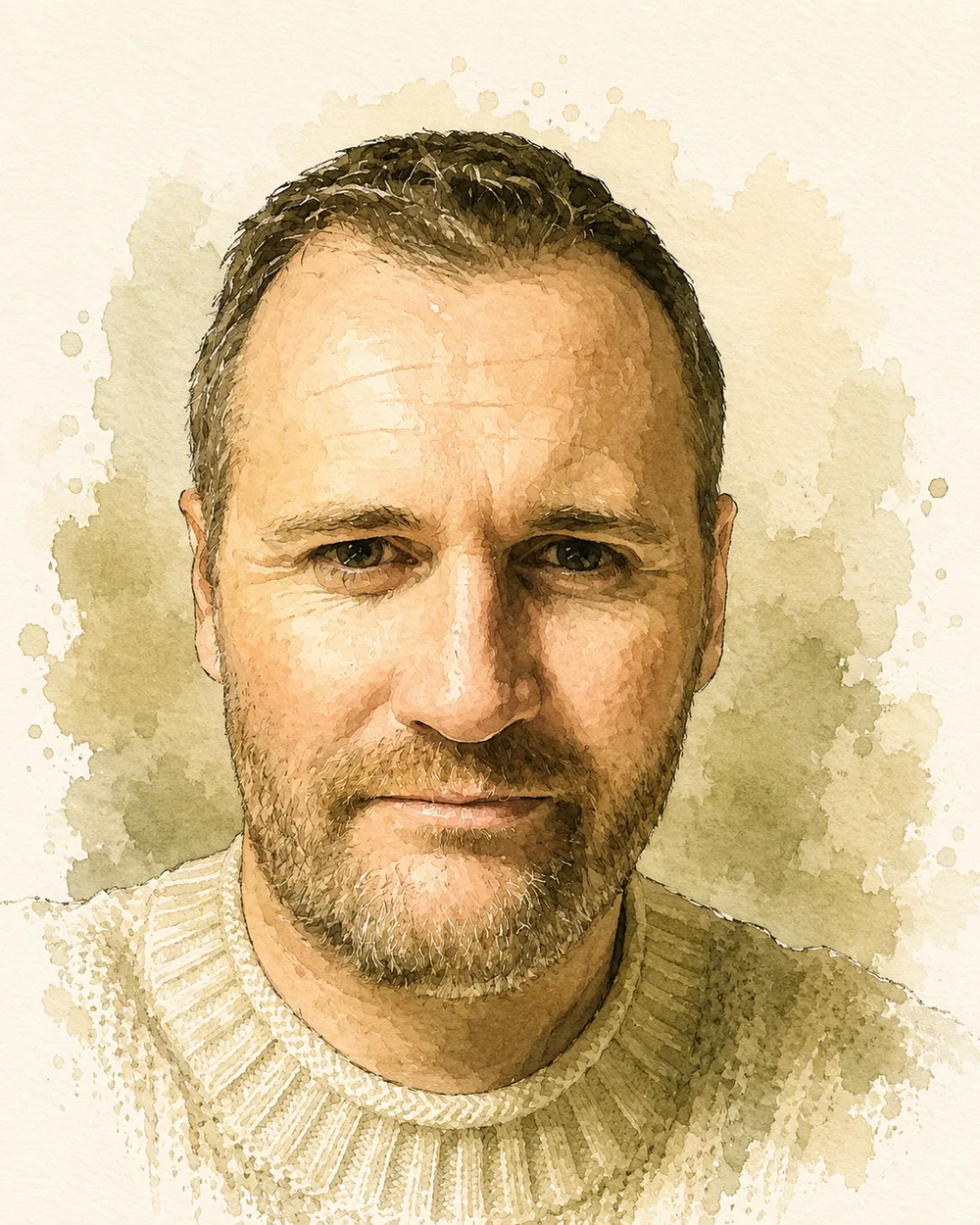
Mark
Specialist dyslexia assessor and founder of Defining Dyslexia
Mark is a qualified teacher and specialist assessor who has worked across mainstream and SEND education, including as a SENCo. He holds an Assessment Practising Certificate and is a member of PATOSS, and he carries out every Defining Dyslexia assessment personally, from the first conversation through to talking the report through with you.
- PATOSS member
- Assessment Practising Certificate
- PGCE
- NASENCo
- CPT3A
- PgDip SpLD
About Defining Dyslexia
Diagnostic dyslexia assessments for children, adults and students
Defining Dyslexia provides full diagnostic SpLD assessments for children, adults and university and college students. Face-to-face assessments are available across our local service areas in South Yorkshire, Chesterfield and surrounding Derbyshire, Wakefield, Peterborough, Stamford, Rutland, Grantham and South Lincolnshire, with remote assessment available UK-wide. Every assessment includes time to talk through the findings together, so you leave with a clear understanding of the results rather than a document to decipher alone.
If you have questions, or you are wondering whether an assessment might be the right next step, a free 15-minute telephone call is available with no obligation.