Why a Dyslexia Screener Doesn’t Always Tell the Whole Story
Phonics and phonological skills matter, but accurate decoding or one reassuring screening measure cannot describe a learner’s complete literacy profile.
By Mark, specialist dyslexia assessor

‘But their phonics are fine.’ Perhaps they passed the Year 1 Phonics Screening Check, can sound out unfamiliar words, or a screener found phonological skills within the expected range. Does that mean they cannot be dyslexic? No. Phonological skills are important, but dyslexia cannot be understood by looking at one skill in isolation.
This article focuses specifically on the difference between one phonics or phonological measure and the wider literacy profile. For broader guidance about a reassuring school result, read My Child’s School Screener Came Back Fine.
Phonics and phonological processing aren’t the whole of dyslexia
Phonics teaching helps children connect letters with sounds and use those relationships to read unfamiliar words. Phonological processing includes skills involved in noticing, remembering and working with speech sounds. Both are highly relevant to literacy development and may form part of screening or assessment.
However, reading and spelling depend on several processes working together, and dyslexic profiles vary. A person’s overall pattern matters more than one isolated strength or difficulty. Phonics success does not rule dyslexia out, just as a weak phonological result does not establish it.
‘They can read the word’ doesn’t tell us everything
A child may pause, segment a word into sounds, blend it, retry and eventually say it correctly. That is successful decoding, but it is not the same as rapid, automatic reading.
Accuracy and fluency are different. Accurate reading may still be slow and effortful, leaving less attention available for meaning. The difference can become more noticeable as texts grow longer, vocabulary becomes less familiar and the learner is expected to read independently under time pressure.
Spelling can tell another part of the story
Some learners decode more successfully than they spell. You might notice the same word spelt differently within one piece of work, plausible but incorrect spellings, simple words that remain unexpectedly difficult, or spelling that deteriorates when the learner is also generating and organising ideas.
An occasional mistake tells us very little. A persistent pattern, considered alongside reading and other evidence, can be much more informative.
There is more to consider than phonological awareness
Depending on the individual and the purpose of the assessment, the wider evidence may include:
- reading accuracy, fluency and comprehension
- spelling and written expression
- phonological processing and phonological memory
- rapid naming and other relevant processing measures
- educational and developmental history
- the teaching or intervention already received
- what the learner, family and school see in everyday life
A specialist does not assume that every dyslexic person must show the same difficulty. They consider whether the evidence forms a consistent pattern and whether another explanation fits better. What a specialist assessor notices beyond a screener looks more closely at that interpretive work.

A specialist does not assume that every dyslexic person must show the same difficulty.
Why might a screener miss someone?
Screeners are efficient by design. A learner may have benefited from good phonics teaching or intervention, developed effective strategies, worked slowly but accurately, or scored just above a particular threshold. Relevant difficulties may also not be strongly represented by that particular tool.
That does not mean the screener failed. Screening and diagnostic assessment have different purposes. The result should be considered alongside the concern that led to screening and what is seen over time.
Equally, a high-risk screener result isn’t a diagnosis
Weak screening performance can arise for different reasons, including gaps in teaching, language experience, attention, anxiety or other learning needs. A high-risk result says that further investigation may be helpful; it does not decide the explanation.
The more useful question is not simply, ‘Did they pass?’ It is, ‘What is causing this pattern of difficulty?’
Look beyond one result
One reassuring measure does not end a legitimate concern, particularly when slow reading, persistent spelling difficulty or unusual effort continues. Equally, one weak phonological score does not establish dyslexia.
Related reading
If you would like to talk through what a screening result does and does not tell you before deciding on further assessment, you can contact Defining Dyslexia for an initial conversation without obligation.
Frequently asked questions
Can a child pass the Year 1 Phonics Screening Check and still be dyslexic?
Yes. Passing shows that the child met the check’s threshold on that occasion. It does not assess the complete literacy profile or rule out later difficulties with fluency, spelling, automaticity or other relevant skills.
Does good phonological awareness rule out dyslexia?
No. Phonological skills are important, but profiles vary and no single measure rules dyslexia in or out. The wider pattern of reading, spelling, processing, history and response to teaching needs to be considered.
Why can reading be accurate but still difficult?
A learner may decode words correctly but slowly and with considerable conscious effort. Accuracy can therefore look secure while fluency, stamina and understanding under increased demand remain difficult.
Does a high-risk screening result mean someone is dyslexic?
No. It means that further investigation may be useful. Different factors can affect screening performance, so a diagnostic conclusion requires broader evidence and professional interpretation.
About Defining Dyslexia and the author
About the author
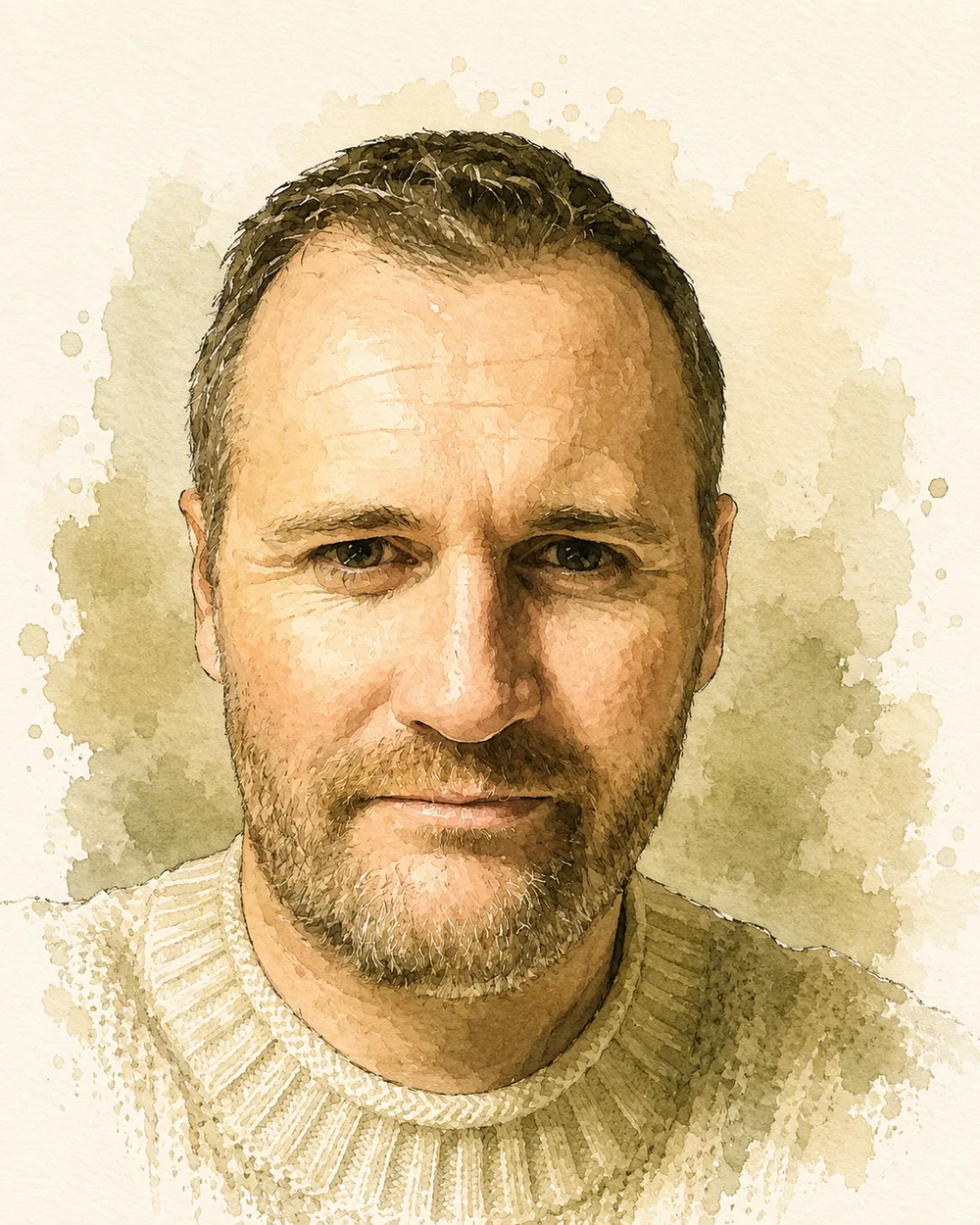
Mark
Specialist dyslexia assessor and founder of Defining Dyslexia
Mark is a qualified teacher and specialist assessor who has worked across mainstream and SEND education, including as a SENCo. He holds an Assessment Practising Certificate and is a member of PATOSS, and he carries out every Defining Dyslexia assessment personally, from the first conversation through to talking the report through with you.
- PATOSS member
- Assessment Practising Certificate
- PGCE
- NASENCo
- CPT3A
- PgDip SpLD
About Defining Dyslexia
Diagnostic dyslexia assessments for children, adults and students
Defining Dyslexia provides full diagnostic SpLD assessments for children, adults and university and college students. Face-to-face assessments are available across our local service areas in South Yorkshire, Chesterfield and surrounding Derbyshire, Wakefield, Peterborough, Stamford, Rutland, Grantham and South Lincolnshire, with remote assessment available UK-wide. Every assessment includes time to talk through the findings together, so you leave with a clear understanding of the results rather than a document to decipher alone.
If you have questions, or you are wondering whether an assessment might be the right next step, a free 15-minute telephone call is available with no obligation.