I’ve Struggled With This All My Life — Could I Really Have Reached Adulthood Without Knowing I’m Dyslexic?
Late recognition often begins when a child is assessed or work and study demands change, making a lifelong pattern of effort and coping strategies visible for the first time.
By Mark, specialist dyslexia assessor

Your child is identified as dyslexic. A promotion brings much more written work. You begin university and the volume of independent reading changes everything. Then, while learning about dyslexia, you find yourself thinking, ‘That’s me.’
Can somebody really reach adulthood without dyslexia being recognised? Yes. Identification can happen in adulthood, including for people who did well at school, built successful careers or assumed that everybody worked as hard as they did to manage reading and writing.
This is not another checklist of adult dyslexia signs, or an argument that everybody should seek assessment. It is about the moment when separate experiences begin to look like one lifelong pattern.
Surely somebody would have noticed at school?
Awareness and identification have changed over time. Many adults remember being described as careless, slow, poor at spelling or capable but needing to try harder. Others achieved well enough that nobody looked closely at the effort, extra time or support behind the result.
Failure at school is not required. Strong reasoning, vocabulary, family help, good teaching and personal determination can all support achievement while a specific difficulty remains unrecognised.
You may have spent years developing strategies
Long-established strategies often stop feeling like strategies. They simply become how you get through the day.
- rereading every email several times before sending it
- using spellcheck, dictation or carefully saved templates
- avoiding writing while somebody watches
- asking a trusted person to proofread important documents
- choosing audio instead of reading when possible
- relying on lists, reminders and very detailed preparation
- allowing much longer than colleagues for paperwork
These are often intelligent and effective responses. They can also hide the amount of effort involved from everyone else, including you.
Success doesn’t rule dyslexia out
A degree, a thriving business, a senior profession or deep expertise can coexist with dyslexia. Other people usually see the finished product. They do not see the time, checking and systems that made it possible.
That does not mean every successful person who dislikes paperwork is dyslexic. It means achievement alone cannot answer the question. Our guides to accurate but effortful adult reading and being good at the job but struggling with paperwork explore two specific parts of this picture.
Why might it become more noticeable now?
The underlying pattern may not have changed, but the demands around it can. A promotion may bring more reports and email. University may require sustained independent reading. Professional examinations may add time pressure. New digital systems can remove familiar workarounds. Stress and fatigue can leave less capacity for compensation.
Sometimes nothing external has changed; you have simply learnt enough about dyslexia to recognise experiences that once seemed unrelated.
Dyslexia is developmental, so a sudden or recent change in reading, writing or memory should not simply be assumed to be dyslexia. New difficulties may need to be discussed with a GP or another appropriate professional.
Your child’s experience can sometimes be the trigger
Parents often begin researching dyslexia for their child and recognise their own history: persistent spelling uncertainty, slow or effortful reading, repeated rereading, avoiding reading aloud or taking far longer than others over written tasks.
Dyslexia can run in families, but a child being dyslexic does not automatically mean a parent is. It can simply provide a new lens through which an adult decides whether their own longstanding pattern is worth exploring.
What if I can’t remember primary school?
Historical information is useful because dyslexia is developmental, but adult memories are often incomplete and school records may be long gone. That does not automatically prevent assessment.
An assessor works with the evidence genuinely available and is clear about any limitations. Our dedicated guide explains adult dyslexia assessment when childhood history is patchy.
What would an adult assessment look at?
An adult assessment considers current literacy and relevant underlying skills alongside developmental, educational and occupational history. It asks how the pattern has appeared over time, what strategies are in place and whether another explanation should be considered.
The useful question is: ‘Is the overall pattern consistent with dyslexia, and what does that mean for you now?’ Read about adult dyslexia assessments or, if higher education is the immediate context, university and college assessments.
What if the assessment says I’m not dyslexic?
That is a valid outcome. Reading, writing, memory and organisation can be difficult for different reasons, and some people have a mixed profile. A good assessment should help you understand the evidence rather than force it towards a diagnosis.
You haven’t ‘missed your chance’
There is no age at which it becomes too late to understand how you learn. For some adults, late recognition does not change what they have achieved. It explains the effort behind it and helps them make more informed choices now.
If you are weighing up the practical reasons for assessment, Why Get a Dyslexia Assessment as an Adult? is the more detailed next guide.
Adult assessments are available face to face and, where appropriate, remotely. If you would like to talk through what you have noticed, book an initial conversation. There is no obligation to proceed with an assessment.
Frequently asked questions
Can dyslexia first be diagnosed in adulthood?
Yes. Dyslexia is developmental, but it may remain unrecognised until adulthood. Assessment looks for evidence that the pattern has been present over time, even if nobody identified it at school.
Can I be dyslexic if I did well at school or have a degree?
Yes. Achievement does not rule dyslexia out. Strong abilities, good teaching and developed strategies can support success while reading, spelling or written work still require unusual effort.
Do I need old school reports for an adult dyslexia assessment?
No. School reports can help, but they are not essential. An assessor uses the historical information that is available alongside detailed current evidence and explains any limitations.
Could recent reading or memory difficulty be dyslexia?
Dyslexia reflects a longstanding developmental pattern. A sudden or recent change should not simply be attributed to dyslexia and may need discussion with a GP or another appropriate professional.
Does my child’s dyslexia mean I am dyslexic too?
No. Dyslexia can run in families, so a child’s identification may prompt useful reflection, but it does not establish that a parent is dyslexic. Your own pattern would need to be considered separately.
About Defining Dyslexia and the author
About the author
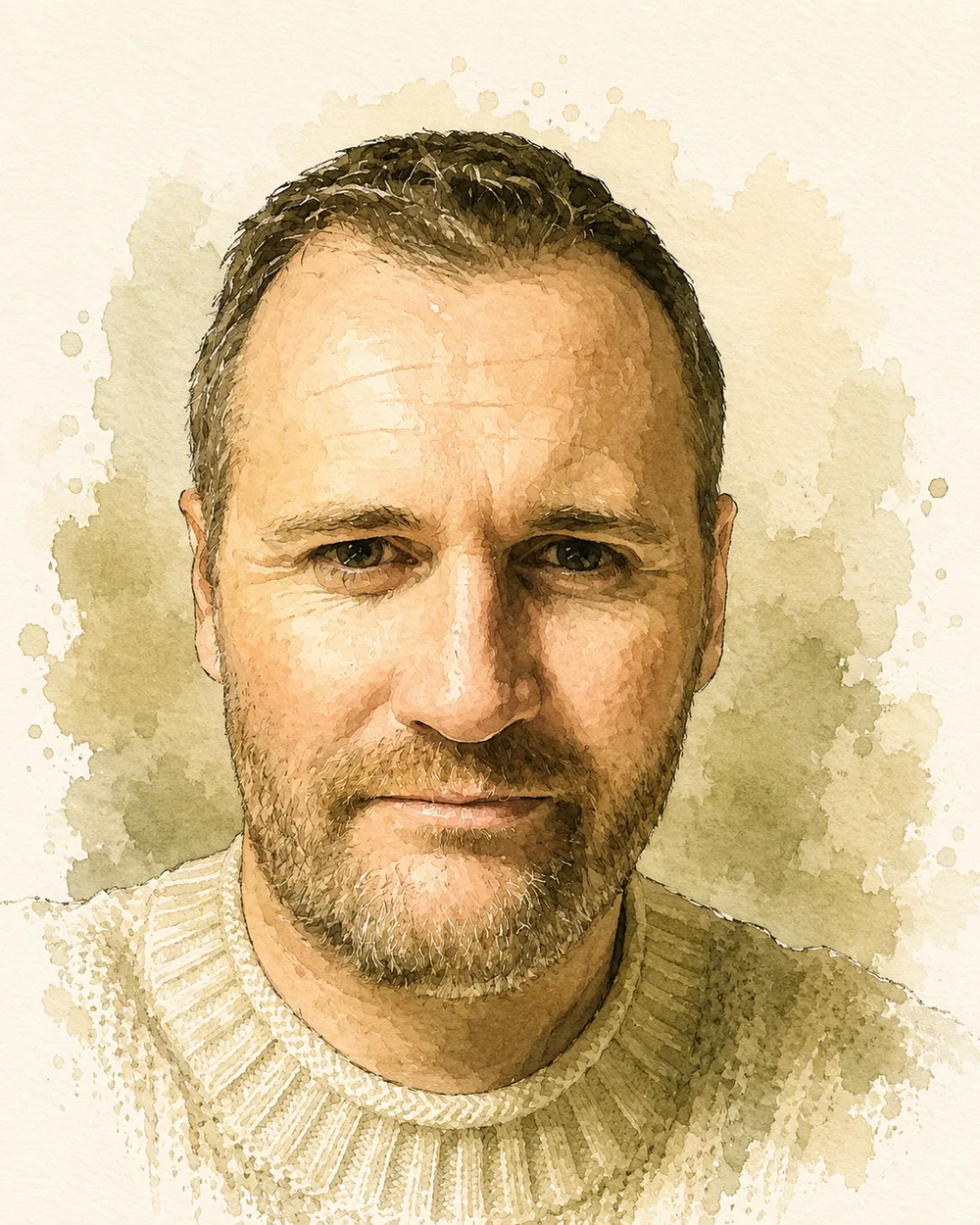
Mark
Specialist dyslexia assessor and founder of Defining Dyslexia
Mark is a qualified teacher and specialist assessor who has worked across mainstream and SEND education, including as a SENCo. He holds an Assessment Practising Certificate and is a member of PATOSS, and he carries out every Defining Dyslexia assessment personally, from the first conversation through to talking the report through with you.
- PATOSS member
- Assessment Practising Certificate
- PGCE
- NASENCo
- CPT3A
- PgDip SpLD
About Defining Dyslexia
Diagnostic dyslexia assessments for children, adults and students
Defining Dyslexia provides full diagnostic SpLD assessments for children, adults and university and college students. Face-to-face assessments are available across our local service areas in South Yorkshire, Chesterfield and surrounding Derbyshire, Wakefield, Peterborough, Stamford, Rutland, Grantham and South Lincolnshire, with remote assessment available UK-wide. Every assessment includes time to talk through the findings together, so you leave with a clear understanding of the results rather than a document to decipher alone.
If you have questions, or you are wondering whether an assessment might be the right next step, a free 15-minute telephone call is available with no obligation.