Dyslexia Assessments in Doncaster: A Local Guide for Parents and Adults
Doncaster covers a lot of ground, and support can look different from one school to the next. Here is how dyslexia assessment works across the borough, for children and adults alike.
By Mark, specialist dyslexia assessor
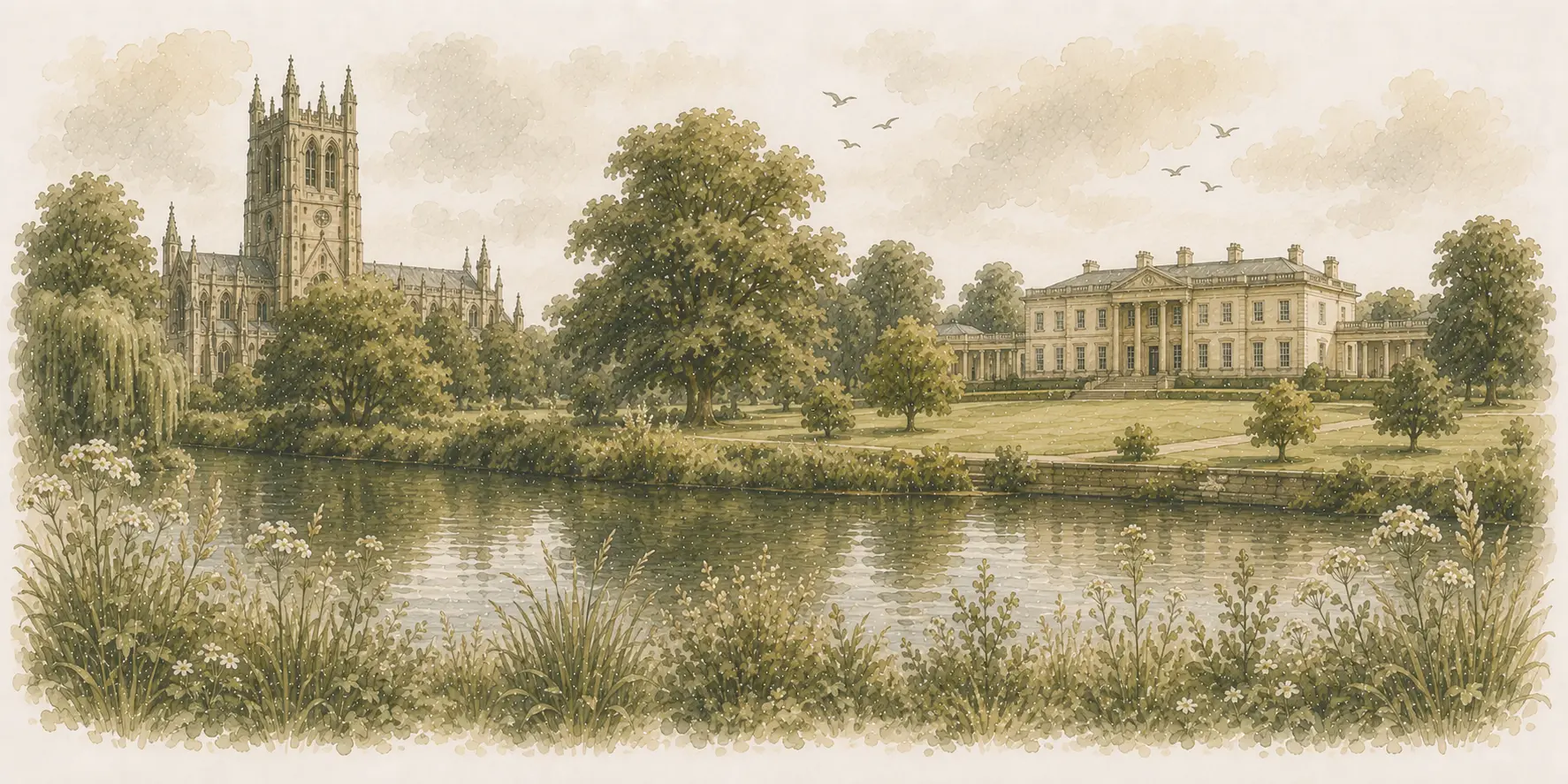
Doncaster is a large borough, and one of the things families notice quickly is how much can vary between one school and the next. Two children with very similar difficulties can have very different experiences depending on where they are enrolled. This guide explains how dyslexia assessment fits into that picture, and what you can do about it.
The local picture, honestly
Schools across Doncaster sit within a mix of local authority maintained settings and several large academy trusts, each with its own approach to identifying specific learning difficulties. Parents often describe support being offered, reading groups, in-class adjustments, without anyone being in a position to say whether dyslexia is actually present.
The Doncaster SEND Local Offer lists provision across the borough, and Doncaster SENDIASS offers free impartial advice. Use both. Neither, however, carries out private diagnostic assessments, and there is no routine NHS pathway for diagnosing developmental dyslexia.
What schools in the area can and cannot do
A Doncaster school can identify a need and support it immediately. It does not need a diagnosis to adapt teaching, allow a laptop, reduce copying from the board or apply for exam access arrangements where the evidence supports it.
What most schools cannot do is complete a full diagnostic assessment, unless the school or its trust has a suitably qualified specialist assessor available. Some trusts do buy that expertise in, so it is genuinely worth asking rather than assuming. Where it is not available, an independent assessment is the usual route.
There is a further Doncaster-specific advantage to having a report of your own: it belongs to you. In a borough where children move between schools and trusts fairly often, a documented profile travels with your child instead of being rebuilt from scratch each time.
Where we work across the area and nearby locations
Geography is the practical challenge here. Thorne, Mexborough, Conisbrough, Askern, Bawtry, Rossington and Armthorpe are a long way from one another, let alone from a city assessor. Assessments are arranged around that rather than expecting families to travel.
Face-to-face sessions take place at home, at school where the school agrees, or at a local venue. Remote assessment is available across the borough and suits the outlying communities particularly well. The service continues west into Rotherham, Barnsley and Sheffield.
Face-to-face sessions take place at home, at school where the school agrees, or at a local venue.
How a private assessment works
The session covers literacy skills and the underlying cognitive processing that supports them, at a steady pace with breaks. It normally takes two to three hours. Children are not expected to prepare, and there is nothing to revise.
The report that follows sets out the profile clearly, with recommendations for school and home, and there is time afterwards to discuss what it means. Prices are on the assessment prices page, and the report itself is explained here.
Information for adults in the area
Plenty of adults across Doncaster were at school when dyslexia was rarely identified, particularly if they were quiet, capable or good at hiding it. An assessment gives a clear explanation and a report that can be used to discuss reasonable adjustments at work, or support on a course.
Students heading to university generally need a diagnostic report from an assessor with a current Assessment Practising Certificate before applying for the Disabled Students' Allowance. More detail sits on the adult assessment page and the university and college page.
Mark's connection with the area
Doncaster is part of the regular South Yorkshire round worked from Sheffield, and Mark travels out across the borough rather than asking families to come in. Years spent in schools, including as a SENCo, mean he understands how trust-wide policies land in individual classrooms, and why support that looks consistent on paper can feel patchy to a parent.
Taking the next step
The Doncaster assessment page sets out the practicalities, including travel and venues.
If you would like to think out loud with someone who knows the territory, get in touch. There is never any pressure to book.
About Defining Dyslexia and the author
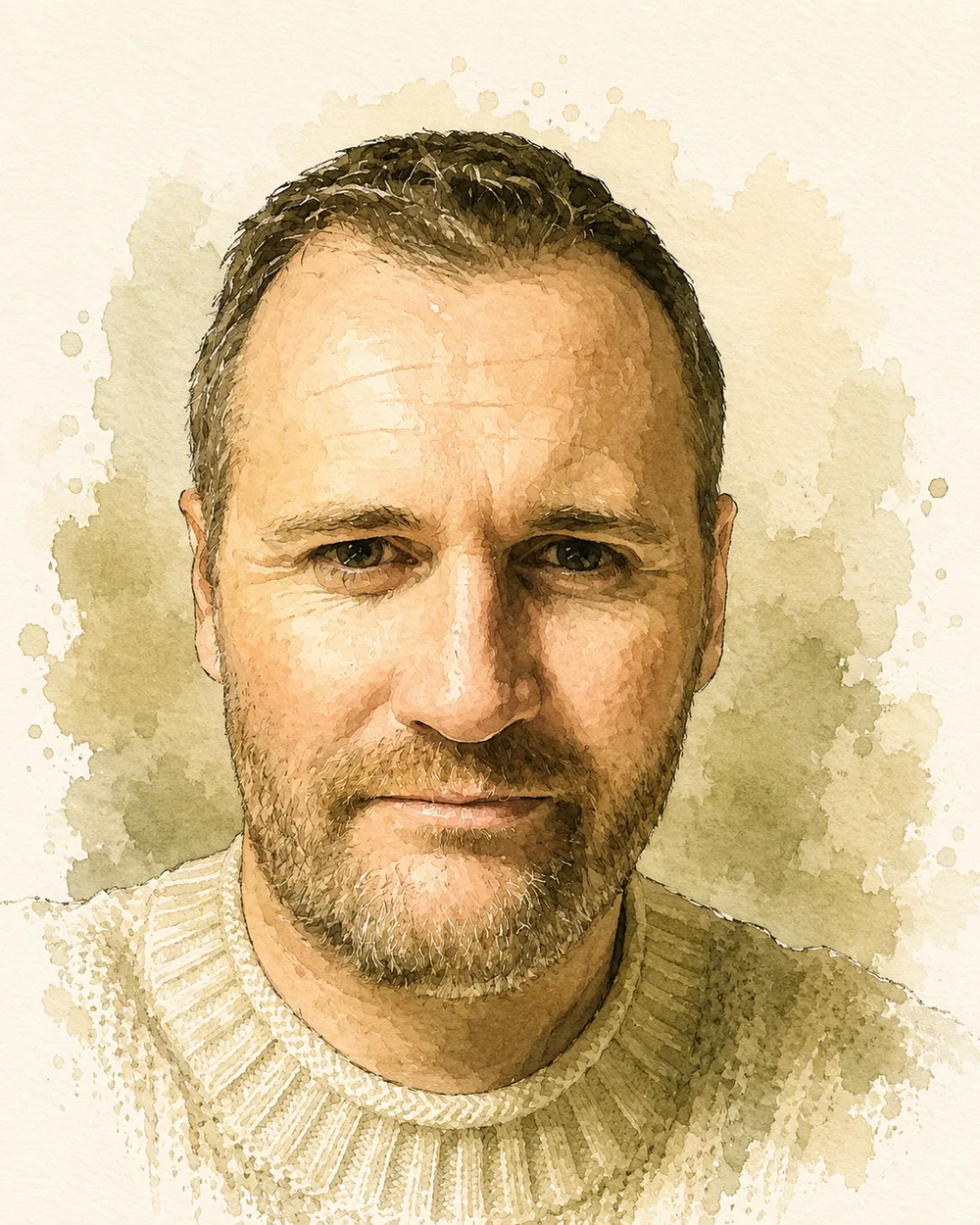
About the author
Mark
Specialist dyslexia assessor and founder of Defining Dyslexia
Mark is a qualified teacher and specialist assessor who has worked across mainstream and SEND education, including as a SENCo. He holds an Assessment Practising Certificate and is a member of PATOSS, and he carries out every Defining Dyslexia assessment personally, from the first conversation through to talking the report through with you.
- PATOSS member
- Assessment Practising Certificate
- PGCE
- NASENCo
- CPT3A
- PgDip SpLD
About Defining Dyslexia
Diagnostic dyslexia assessments for children, adults and students
Defining Dyslexia provides full diagnostic SpLD assessments for children, adults and university and college students. Face-to-face assessments are available in Sheffield and South Yorkshire, Peterborough and Cambridgeshire, and Stamford and Rutland, with remote assessments available UK-wide. Every assessment includes time to talk through the findings together, so you leave with a clear understanding of the results rather than a document to decipher alone.
If you have questions, or you are wondering whether an assessment might be the right next step, a free 15-minute telephone call is available with no obligation.