Dyslexia in Everyday Life: Practical Things That Can Help Children and Young People
Dyslexia is different for everyone, so there is no single list of things that always works. These are practical ideas a child or young person can try, and keep only if they genuinely help.
By Mark, specialist dyslexia assessor

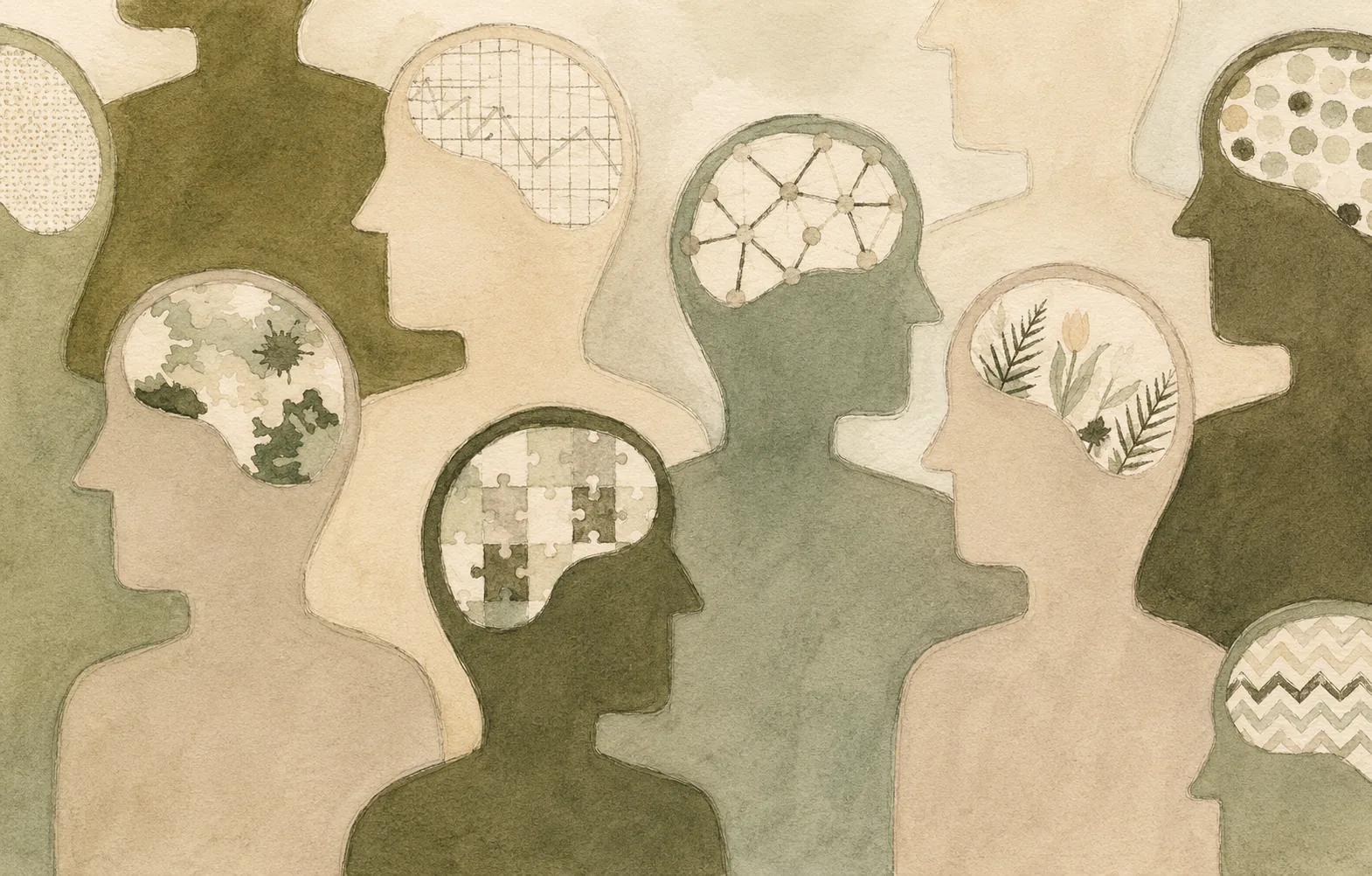
Dyslexia does not look the same in any two people. One child finds spelling the hardest part. Another reads well enough but forgets instructions. Another copes all day at school and comes home exhausted. So this is not a checklist of everything a dyslexic child finds difficult, because no child experiences all of it.
Some ideas will need an adult's help to set up, especially for younger children. Older ones can often pick and choose for themselves, which tends to work best, because a strategy you have chosen is one you are far more likely to use.
Technology as a friend
You probably already carry some of the most useful tools in your pocket. Most phones and tablets can read text out loud, turn speech into writing, check spelling and set reminders, without buying anything new.
- Text-to-speech: have worksheets, messages or pages of a book read aloud instead of wrestling through them.
- Speech-to-text: say an idea into a phone or tablet and let it type for you.
- Audiobooks: listen alongside the print version, or instead of it, so you still get the whole story.
- Spellcheck and word prediction: catch words as you type rather than afterwards.
- Reminders and alarms: let the device remember PE kit, library books or medication so your brain does not have to.
Our guide to technology and assistive tools for dyslexia goes deeper, and the free CALL Scotland app wheels group tools by the job you are trying to do, which is a good way to find one worth testing.
Remembering things
If remembering is the hard part, the aim is to stop holding everything in your head. That is not cheating; it is how nearly everyone actually manages.
- A visual reminder where you will see it: a note on the inside of the front door, or a photo of what goes in your bag as your phone background.
- A phone or tablet reminder that fires at the moment you need it, not hours earlier.
- Checklists you can reuse rather than rewrite, such as what to pack for each weekday.
- A routine that stays the same, so the right thing happens at the right time without you deciding each time.
- Breaking a long instruction into steps, and asking for one step at a time when that helps.
If remembering is the hard part, the aim is to stop holding everything in your head.
Getting organised
Organisation mostly comes down to two things: having a home for the important stuff, and fewer places to check. A bag that is packed the same way every night, a folder per subject, one place where homework instructions always get written or photographed, and one calendar rather than three scraps of paper.
It is worth doing the boring set-up once with an adult, then keeping it small enough that you can keep using it. An elaborate system you abandon in a week helps no one.
Reading and instructions
Reading something does not have to mean reading it with your eyes. Listening to a text can free up enough energy to actually think about it, which is the point of reading in the first place. Our guide to why reading can leave a child exhausted explains why that effort is real.
- Listen as well as read: text-to-speech or an audiobook alongside the page.
- Break instructions into steps and tick them off as you go.
- Ask for clarification: saying 'can you tell me the first step?' is a sensible strategy, not a weakness.
- Reduce unnecessary copying: a photo of the board or a printed copy of instructions saves your effort for the actual task.
- Ask for key words or vocabulary before a new topic, so the words are familiar when you meet them in the text.
Writing and getting ideas down
Lots of children and young people can explain something clearly out loud and then find the written version does not show what they know. That gap is common, and our article on why explaining is easier than writing looks at it properly.
The most useful trick is to separate the jobs. Get the ideas out first, in whatever form is easiest: speech-to-text, bullet points, a mind map or a voice note to yourself. Worry about spelling, punctuation and neatness afterwards, in a separate pass. Trying to do both at once is what makes writing so slow.
Time and planning
Deadlines have a habit of hiding until the night before. A calendar, a phone alarm or a simple timer can make time visible instead. For anything big, work backwards from the date: when would the plan need to be done, when the first draft, when the final check? Put those smaller dates where you will actually see them.
Homework and revision
Homework should not take hours every night, and if it regularly does, that is worth telling school about rather than silently absorbing. Our guide to why homework can take so long and what to do about it covers the conversation with school in detail.
- Short chunks with proper breaks usually beat one long session.
- Test yourself instead of rereading: cover the page and try to say it back, or use flashcards. Remembering is the exercise.
- Use more than one sense: say it, hear it, draw it, act it out.
- Audio and video versions count. Understanding a topic from a documentary is still understanding the topic.
- Stop at a sensible point. A finished-looking page produced at 11pm proves the task was too long, not that it worked.
Managing tiredness and overload
Some children and young people find that tasks heavy in reading, writing or remembering simply take more effort, and that the tiredness shows afterwards rather than during. That is not true for everyone, and it is not something to be frightened of, but if it is true for you it is worth planning around: proper breaks, a quieter evening after a heavy day, and not treating rest as a reward you have to earn.
Asking for help and explaining what works
The most useful sentence you can learn is some version of: 'This is the bit I find hard, and this is what helps me.' Teachers, and later employers and lecturers, can act on that far more easily than on 'I am struggling.' If you have tried something and it worked, say so. Asking for what helps is how good support starts.
Parents and carers can help most by noticing which experiments actually stuck, and sharing that with school. If you want ideas for the home side of that, our guide to helping a dyslexic child at home is a good next read.
Build your own toolkit
The best strategy is the one that genuinely helps you, not the one that sounds most impressive. Over time the experiments that work become your own personal toolkit, and it will look different from anyone else's, which is exactly right.
If reading this has raised bigger questions about why some things are consistently hard, you are welcome to get in touch for a free 15-minute telephone call, or explore the free child dyslexia indicator check. There is no obligation either way.
Frequently asked questions
Will these strategies work for every dyslexic child?
No. Dyslexia is individual, so treat each idea as an experiment: try it, keep it if it genuinely helps, and drop it without any guilt if it does not. The aim is a personal toolkit, not a perfect score on someone else's list.
Is using technology to read or write cheating?
No. Text-to-speech, dictation and spellcheck reduce the effort of the mechanics so that the thinking can show. Using a calculator does not make someone bad at maths, and the same principle applies here.
My child copes at school but is exhausted at home. Is that normal?
It is common. Holding everything together all day takes real effort for some children, and the tiredness shows where they feel safe enough to let go. Planned breaks and lighter evenings can help, and it is worth mentioning to the school so they see the full picture.
Should homework be taking hours every night?
It should not be routinely swallowing evenings, sleep or family time. If it is, record how long the work actually takes and share that with the teacher or SENCo. The time taken is useful information, even when the finished work looks good.
When might an assessment be worth considering?
If reading, spelling, writing or remembering have been persistently hard over a long period, even with sensible support in place, a full diagnostic assessment can set out the underlying profile and what is likely to help. A free indicator check or telephone call is a reasonable first step.
About Defining Dyslexia and the author
About the author
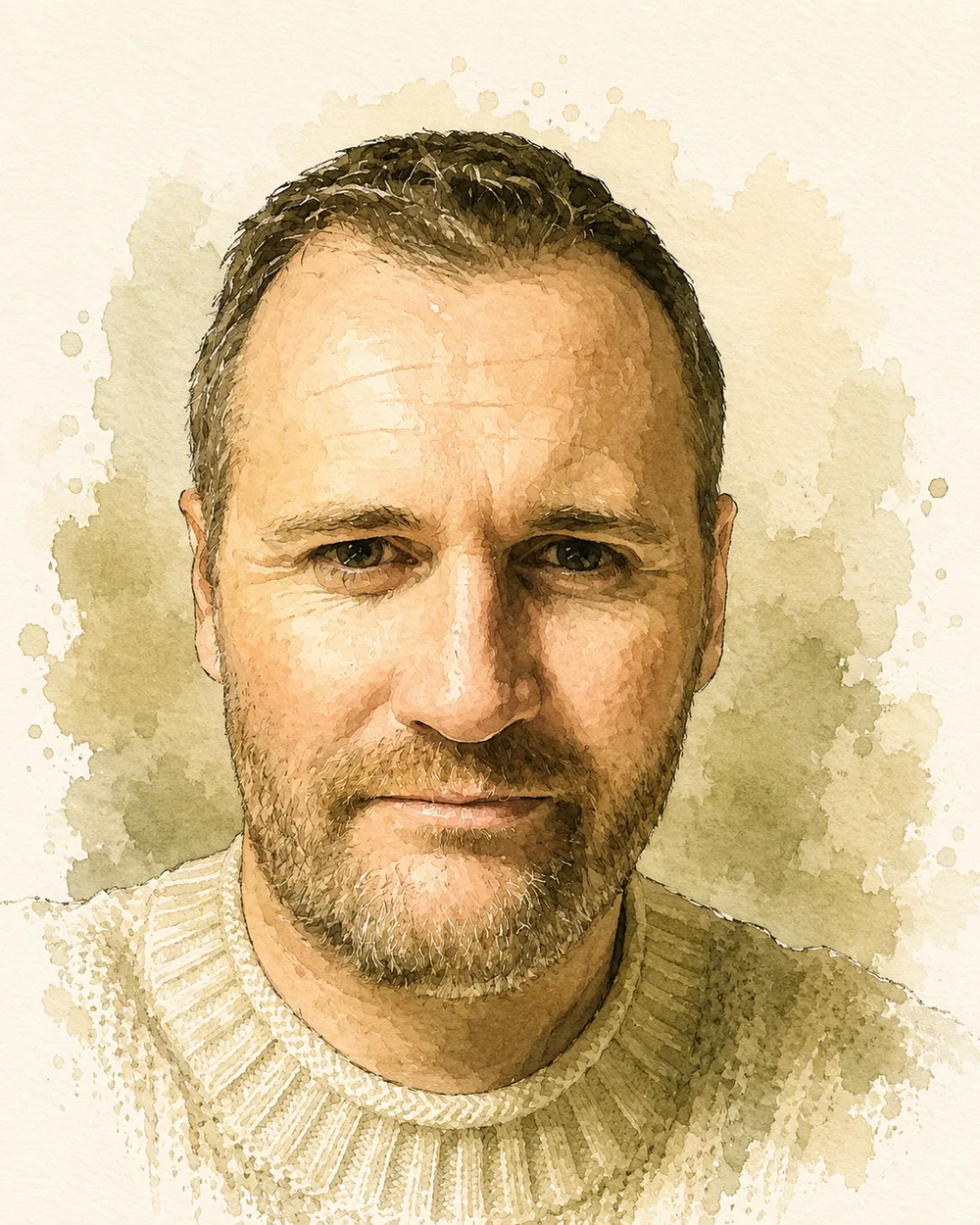
Mark
Specialist dyslexia assessor and founder of Defining Dyslexia
Mark is a qualified teacher and specialist assessor who has worked across mainstream and SEND education, including as a SENCo. He holds an Assessment Practising Certificate and is a member of PATOSS, and he carries out every Defining Dyslexia assessment personally, from the first conversation through to talking the report through with you.
- PATOSS member
- Assessment Practising Certificate
- PGCE
- NASENCo
- CPT3A
- PgDip SpLD
About Defining Dyslexia
Diagnostic dyslexia assessments for children, adults and students
Defining Dyslexia provides full diagnostic SpLD assessments for children, adults and university and college students. Face-to-face assessments are available in Sheffield and South Yorkshire, Peterborough and Cambridgeshire, and Stamford and Rutland, with remote assessments available UK-wide. Every assessment includes time to talk through the findings together, so you leave with a clear understanding of the results rather than a document to decipher alone.
If you have questions, or you are wondering whether an assessment might be the right next step, a free 15-minute telephone call is available with no obligation.