
My child is nervous about a dyslexia assessment: how can you help?
Meeting someone new can feel daunting. Here is how I help children and young people become familiar with me and plan an assessment around their needs.
By Mark, specialist dyslexia assessor

It is understandable for a child or young person to feel nervous about a dyslexia assessment. They may be worried about meeting someone new. They might also wonder whether it will feel like another school test or draw attention to something they already find difficult.
Before arranging the assessment, I want to understand what would help your child feel more comfortable. That preparation can look different for each young person.
Getting to know your child before we meet
The enquiry form and parent consultation give us a starting point. We can talk about what worries your child and what has helped in other situations.
It also helps to know a little about their interests. A favourite game or a subject they enjoy can give us something familiar to talk about when we meet.
Please tell me about the particular worry rather than feeling you need to describe your child perfectly. Is it an unfamiliar adult? Is it reading aloud? Do they worry about getting an answer wrong? These details help us plan.
A one-page introduction as standard
I provide a one-page introduction about me for the young person as standard. This gives your child something to look at before we meet.
You can share it in whichever way suits them. Some children prefer to read it themselves. Others find it easier to look through it with a parent or carer.
The aim is to make me a little more familiar before the assessment begins.
An optional Teams call to say hello
I also offer an introductory Teams call. This is a relaxed opportunity for your child to meet me before the assessment.
We can say hello and talk about what to expect. They can ask questions if they want to. The call is an introduction rather than the assessment itself.
Some young people find this helpful. Others feel more comfortable using the one-page introduction and having their questions passed on by a parent. We can discuss what suits your child.
Checking how the introduction felt
If needed, we can have a conversation after the introductory call. This gives you and your child an opportunity to share anything that felt helpful or any worries that remain.
You do not have to wait for a particular stage to raise a concern. We can keep talking as we agree the arrangements.
Planning the setting and timing together
We can discuss where the assessment would work best. For some children, school is a familiar and practical setting. For others, home may feel more comfortable. A school assessment needs the school's agreement and a suitable space.
Timing matters too. We can discuss particular days and consider evening or weekend appointments where available. The aim is to find a suitable time for your child within the available diary.
These decisions also need to support appropriate assessment conditions. Personalising the arrangements means discussing what is workable for your child and for the assessment.
These decisions also need to support appropriate assessment conditions.
What if anxiety affects participation?
Please tell me if your child is very worried about taking part. We can discuss what preparation may help and whether the proposed arrangements feel suitable.
If they struggle to participate during the assessment, that needs to be considered when interpreting the findings. We may need to discuss whether further information or another appointment is required. We would discuss any further steps together.
What can I say to my child?
You could say: "Mark is going to help us understand how you learn. Some activities may feel easier than others. You can tell him if you are worried or do not understand an instruction."
There is no need to practise assessment activities beforehand. A simple explanation and an opportunity to ask questions are more useful.
A familiar introduction and a plan that fits
You do not need to have all the answers before contacting me. Tell me what your child finds difficult and what tends to help. We can then discuss a suitable way forward together.
Related reading
- Read about dyslexia assessments for children and young people.
- Find practical advice on preparing for a dyslexia assessment.
- Use the preparation information tool to think through useful background information.
- Explore what if it isn't dyslexia?.
About Defining Dyslexia and the author
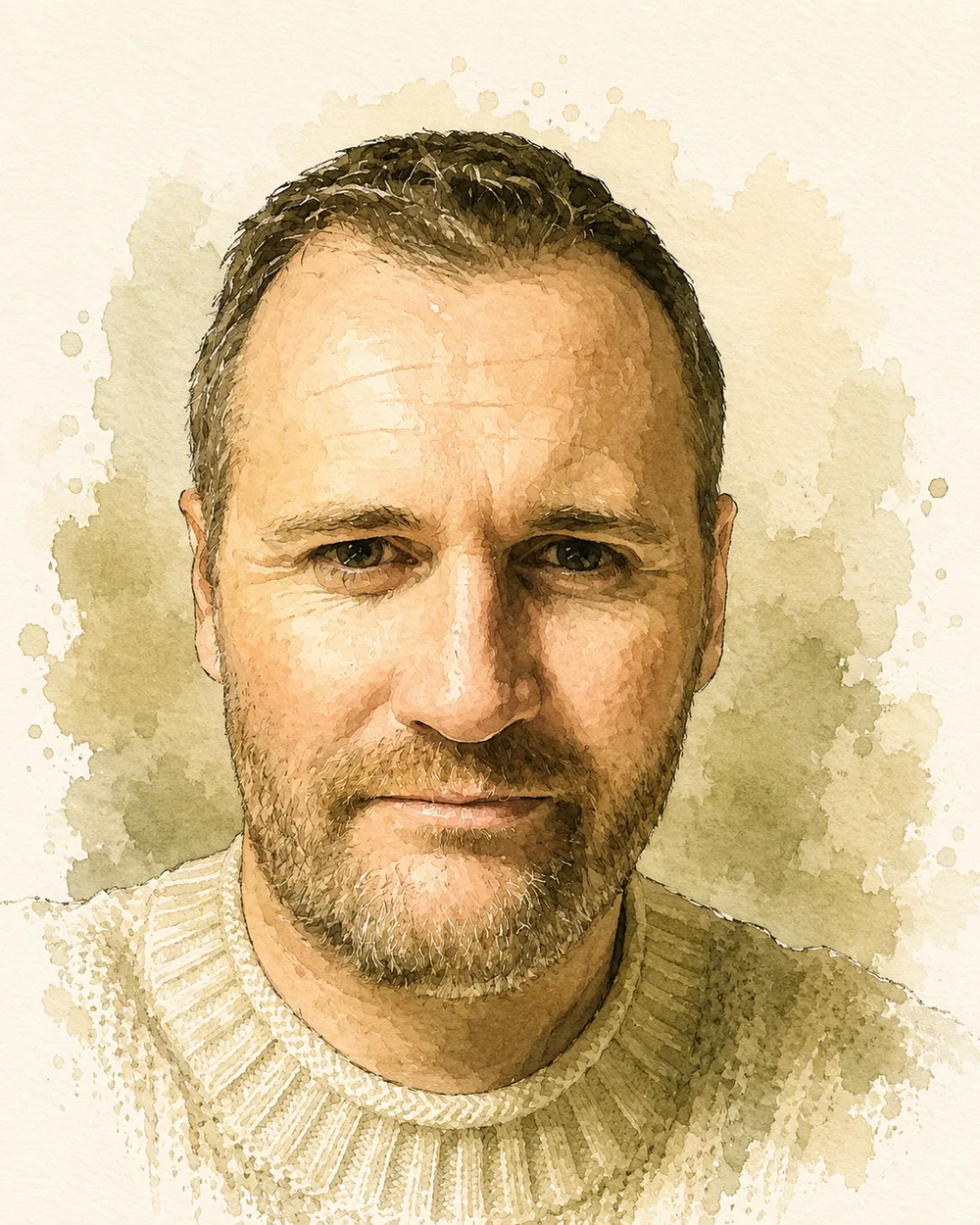
About the author
Mark
Specialist dyslexia assessor and founder of Defining Dyslexia
Mark is a qualified teacher and specialist assessor who has worked across mainstream and SEND education, including as a SENCo. He holds an Assessment Practising Certificate and is a member of PATOSS, and he carries out every Defining Dyslexia assessment personally, from the first conversation through to talking the report through with you.
- PATOSS member
- Assessment Practising Certificate
- PGCE
- NASENCo
- CPT3A
- PgDip SpLD
About Defining Dyslexia
Diagnostic dyslexia assessments for children, adults and students
Defining Dyslexia provides full diagnostic SpLD assessments for children, adults and university and college students. Face-to-face assessments are available across our local service areas in South Yorkshire, Chesterfield and surrounding Derbyshire, Wakefield, Peterborough, Stamford, Rutland, Grantham and South Lincolnshire, with remote assessment available UK-wide. Every assessment includes time to talk through the findings together, so you leave with a clear understanding of the results rather than a document to decipher alone.
If you have questions, or you are wondering whether an assessment might be the right next step, a free 15-minute telephone call is available with no obligation.