How Long Does a Dyslexia Assessment Take to Book?
When families and adults decide to seek a dyslexia assessment, one of the first questions they ask is how long it will take. The honest answer is that it depends enormously on the route…
By Mark, specialist dyslexia assessor

When families and adults decide to seek a dyslexia assessment, one of the first questions they ask is how long it will take. The honest answer is that it depends enormously on the route you take. Additionally, the difference between routes is often far greater than people expect.
Why Waiting Times Vary So Much
There are several different pathways to a dyslexia assessment in England, and each carries its own timeline.
Through school or the local authority, waiting times can be considerable. Educational psychology services are in high demand across most areas, and capacity varies significantly between local authorities. Some families wait many months before an assessment takes place, and in some cases, a formal dyslexia assessment may not be offered through this route at all.
Through other independent providers, waiting times in many areas currently run to several months. In parts of South Yorkshire and Cambridgeshire, some providers have waiting lists of four to six months or longer. For a child who is struggling now, or an adult navigating university or work, that is a significant amount of time to wait.
Through Defining Dyslexia, availability varies throughout the year. Current assessment appointments are normally available within eight weeks, although earlier dates are often possible depending on location, assessment format and flexibility. The time before the appointment also allows you to complete a background questionnaire and gather any relevant information, helping to make the assessment day as useful as possible.
Why Waiting Time Actually Matters
It can be tempting to think that a few months on a waiting list is simply part of the process. In practice, however, the wait carries a real cost.
For a child, several months of unidentified difficulty is several more months of frustration, effort, and (often) quietly declining confidence. Some children become increasingly avoidant of reading and writing tasks during this period. Others internalise the message that they are simply not trying hard enough. Additionally, the longer difficulties go unidentified, the longer appropriate support is delayed.
For an adult, waiting months for an assessment can mean months without the evidence needed to access exam adjustments, DSA funding, or workplace support. Where university deadlines or employment situations are involved, that delay can have practical and significant consequences.
What Happens Before the Assessment at Defining Dyslexia?
The time before an assessment is not simply waiting time. It is also preparation time. Before the assessment takes place, you will be asked to complete a background questionnaire. This covers developmental history, any previous concerns or assessments, and the specific difficulties you are noticing at home, at school, or in the workplace.
Additionally, it is important that a recent eye test has taken place before assessment. Visual difficulties can affect reading, and it is important that these are considered and where necessary addressed separately from dyslexia. If an eye test has not been carried out recently, arranging one before the assessment date is a straightforward step that is worth taking.
This preparation means that the assessment itself can focus on what matters (a thorough, detailed evaluation) rather than gathering background information on the day.
Remote Assessments. More Flexibility, No Compromise on Quality
One further factor that affects waiting times is geography. If the assessors closest to you are fully booked, your options can feel limited, particularly in areas where specialist assessors are few and far between.
Remote assessment via video call is a well-established option that removes the need to travel. Appropriate standardised tasks are used remotely, and the resulting report is written to the same professional standards. Remote assessment can offer useful flexibility, although the right format depends on the person and current dates vary.
At Defining Dyslexia, both face-to-face and remote assessments are available. Availability varies throughout the year and depends on location, assessment format and flexibility.
A Final Word
A dyslexia assessment is not something most families or adults do more than once. It is worth doing well, and it is worth doing without unnecessary delay. If you have been assuming that a long wait is simply inevitable, it is worth knowing that it does not have to be.
At Defining Dyslexia, current assessment appointments are normally available within eight weeks, although earlier dates are often possible depending on location, assessment format and flexibility. Face-to-face appointments are available across the local service areas, and remote assessments are available nationwide where suitable.
If any of this sounds familiar, it's worth getting in touch. Sometimes the most important thing is simply having someone take the whole picture seriously.
For local detail, see our dyslexia assessments page or the pages for Sheffield, Barnsley and Peterborough. If you are also wondering about the appointment itself, how long a dyslexia assessment takes covers the day in more detail.
About Defining Dyslexia and the author
About the author
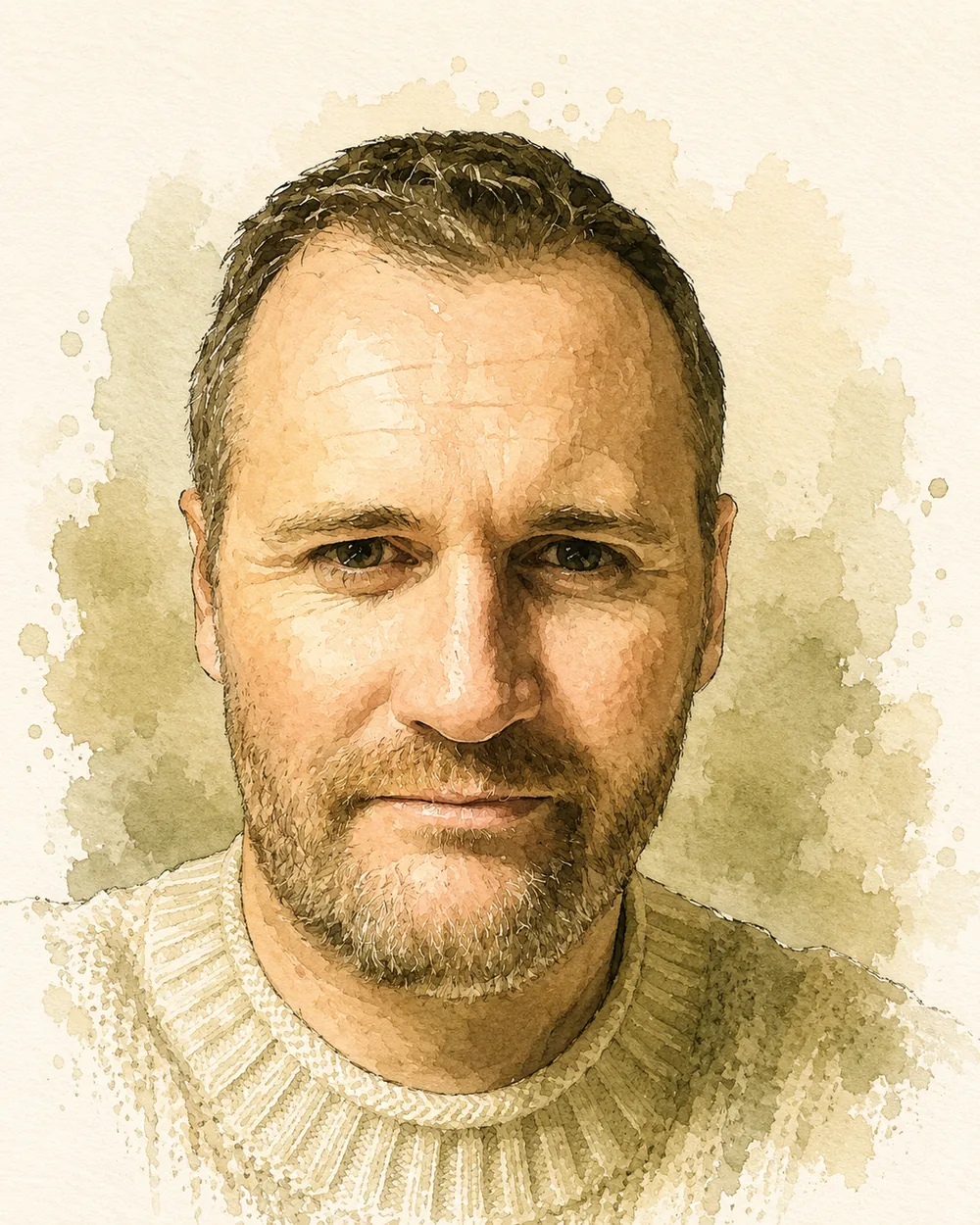
Mark
Specialist dyslexia assessor and founder of Defining Dyslexia
Mark is a qualified teacher and specialist assessor who has worked across mainstream and SEND education, including as a SENCo. He holds an Assessment Practising Certificate and is a member of PATOSS, and he carries out every Defining Dyslexia assessment personally, from the first conversation through to talking the report through with you.
- PATOSS member
- Assessment Practising Certificate
- PGCE
- NASENCo
- CPT3A
- PgDip SpLD
About Defining Dyslexia
Diagnostic dyslexia assessments for children, adults and students
Defining Dyslexia provides full diagnostic SpLD assessments for children, adults and university and college students. Face-to-face assessments are available across our local service areas in South Yorkshire, Chesterfield and surrounding Derbyshire, Wakefield, Peterborough, Stamford, Rutland, Grantham and South Lincolnshire, with remote assessment available UK-wide. Every assessment includes time to talk through the findings together, so you leave with a clear understanding of the results rather than a document to decipher alone.
If you have questions, or you are wondering whether an assessment might be the right next step, a free 15-minute telephone call is available with no obligation.