

Skip to content
Defining Dyslexia

For children & young people

Dyslexia assessments for children and young people

If you are worried about your child's reading, writing, or spelling, or if school has raised concerns that haven't yet led anywhere, a formal dyslexia assessment can give you the answers you have been looking for, and the evidence needed to make sure your child gets the right support.

Face-to-face across South Yorkshire and Cambridgeshire · Remote UK-wide

Illustration of an assessor and a young person working through assessment tasks together at a table
Clear answers, practical next steps
From age 8
Typically 2–3 hours
£495 full assessment

Start with what you know

You know your child best

Many parents spend months (sometimes years) watching their child struggle before anyone takes their concerns seriously. School may have said they are fine. The screener may have come back without significant concerns. But something still doesn't add up.

If your child is working hard but not making the progress you would expect, if homework is a nightly battle, or if there is a clear gap between what they can do verbally and what they produce in writing, those instincts are worth listening to. A formal assessment exists precisely to find out what is going on beneath the surface.

Patterns worth exploring

What might dyslexia look like in children?

  • In early years and primary school, difficulty learning letter sounds, slow or hesitant reading, inconsistent spelling, confusing similar letters, and struggling to follow multi-step instructions.
  • In secondary school, avoiding reading aloud, slow writing speed, difficulty planning and organising written work, inconsistent performance, and a growing sense of falling behind peers despite real effort.
  • Across all ages, a child who is clearly bright and capable verbally but whose written work doesn't reflect what they know; a child who tries hard but seems to make little progress; or a child whose confidence is quietly eroding.

Not sure whether assessment is the right next step?

Explore the patterns first with our free indicator check.

Take the free child indicator check

The wider profile

Dyslexia rarely travels alone

Children who find reading and spelling hard often have other things going on too, attention, organisation, coordination, handwriting. Where it is relevant, the assessment looks at the whole cognitive profile rather than reading and spelling in isolation, and the report can note traits associated with ADHD or dyspraxia (Developmental Coordination Disorder) where the evidence points that way.

To be clear about what this is, and is not

  • A dyslexia assessment can identify dyslexia, and can describe traits associated with ADHD or dyspraxia where they appear significant.
  • It is not a formal diagnosis of ADHD, autism or dyspraxia/DCD. Defining Dyslexia does not provide those diagnoses, and no additional service or fee is involved.
  • Where a different professional is the right next step, that can be explained and appropriate onward referral discussed.

Educational ADHD traits screening describes how traits present in learning; it is not a medical diagnosis. Download our free quick guide: A Quick Guide to ADHD (PDF)

Notes about attention and concentration are observations rather than diagnoses. Defining Dyslexia can assess dyslexia and wider specific learning difficulties. Download our free quick guide: A Quick Guide to Attention and Concentration (PDF)

Download our free quick guide: A Quick Guide to Dyslexia (PDF)

The assessment

What does a child dyslexia assessment involve?

A dyslexia assessment with Defining Dyslexia is thorough, professional, and entirely non-threatening. Mark has fifteen years of experience working with children and young people. He knows how to put them at ease and get the best from them on the day.

The assessment typically takes two to three hours and looks at your child's cognitive profile alongside standardised literacy testing. Together these build the full diagnostic picture, not just what your child can or cannot do, but why.

Before the assessment, Mark will gather background information from you about your child's history, development, and current difficulties. Your knowledge of your child is an essential part of the picture.

The assessment looks at

  • Phonological processing
  • Working memory and processing speed
  • Reading accuracy and fluency
  • Spelling and writing

A full assessment considers several areas together.

Literacy: reading accuracy, reading fluency, reading comprehension, single-word reading and spelling.

Cognitive processing: phonological awareness, phonological memory, rapid naming, working memory and processing speed.

Writing: writing speed, legibility, structure and organisation, and composition and vocabulary.

Where appropriate, additional areas may also be explored, and recommendations for further professional input will be made when needed. The aim is to understand the complete pattern of strengths and difficulties.

Pages from a Defining Dyslexia assessment report

What you receive

What does the report include?

Every Defining Dyslexia assessment report for children includes:

  • A full cognitive profile with standardised scores
  • A formal identification of dyslexia and any co-occurring difficulties where evidenced
  • A strengths and difficulties profile
  • Practical, evidence-based recommendations for school and home
  • Guidance on exam access arrangements including extra time and a reader or scribe
  • A school liaison letter summarising key findings and recommendations
  • Post-diagnostic support to help you and your child's school understand and act on the report
See what is inside a report

Understanding dyslexia a little better

Two of the questions asked most often before an assessment, answered in plain English.

After the assessment

You will not be left with just a report

Following the assessment, Mark will explain the findings and answer your initial questions. Parents can also get back in touch if questions arise after the report has been shared with school.

If further help is needed, Mark can offer guidance before a school meeting and discuss how the recommendations could be put into practice. Where appropriate and subject to availability, he can also provide specialist teaching based on your child's individual profile.

Feedback and reasonable questions about the report are part of the assessment service. More substantial follow-up work, specialist teaching and attendance at meetings are separate services and may involve an additional fee, always discussed and agreed in advance.

What age can a child be assessed?

Diagnostic dyslexia assessments are normally available from age eight. Assessment at age seven may sometimes be considered where sufficient background evidence is available. Please contact us to discuss whether this would be appropriate.

By age eight, a child has usually had enough formal literacy teaching for the standardised measures used in a diagnostic assessment to give a stable and dependable picture. Before that, it is often more useful to gather evidence from school or their learning setting and see how a child responds to targeted support.
Why the full picture matters

In school, a formal assessment report gives your child's school the specific evidence they need to put targeted support in place. It moves the conversation from general concern to clear action. It also provides the evidence base for exam access arrangements, including extra time, a reader, or a scribe.

At secondary school and sixth form, access arrangements for GCSEs and A levels require current evidence of need. A formal assessment report provides exactly that, and ensures your child is not disadvantaged in high-stakes examinations.

For your child's confidence, a formal identification gives your child a framework for understanding themselves. Many children describe the relief of finally knowing why things have been hard, and the difference it makes to realise they are not lazy, not slow, and not less capable than their peers. Their brain simply works differently.

Dyslexia assessments and the 11+

If your child is preparing for the 11+, difficulties with reading, spelling, processing speed or working under timed conditions may be affecting their performance. A full diagnostic dyslexia assessment can help to build a much clearer picture of your child's strengths and difficulties.

An assessment is not simply about gaining extra time in the 11+. A diagnosis of dyslexia does not automatically mean that access arrangements will be awarded. Each grammar school, consortium or testing authority has its own criteria and application process.

Where possible, it is helpful to arrange an assessment well before the 11+ registration and access arrangements deadlines. Mark assesses children from age 8 and regularly works with bright and able children whose underlying literacy or processing difficulties can be less obvious because they have developed effective ways of compensating.

Do I need to go through school first?

No. You do not need a referral from school, your GP, or your local authority to access a private assessment. You can contact Defining Dyslexia directly at any time.

Assessments are available for children and young people who are home educated. A school referral is not required, and the assessment process can be adapted when teacher information is unavailable.

A formal diagnosis is not required for a school to support your child. Schools have a legal duty to identify and meet special educational needs regardless of whether a formal assessment has taken place. However, a formal assessment significantly strengthens your position and gives everyone involved a much clearer picture of what your child needs.

If you are pursuing an Education, Health and Care Plan, a formal assessment report provides valuable independent evidence to support that process.

Preparing to speak to your child's school?

Our free parent resources can help you organise your concerns, prepare useful questions and record the actions agreed during a SENCo meeting.

View free parent resources

Questions parents ask

Frequently asked questions about child assessments

01How much does a child dyslexia assessment cost?

A full diagnostic assessment is £495, which includes the assessment appointment, all scoring and analysis, the complete written report and feedback afterwards. There is no separate report fee and no charge for travel within the areas covered.

02What age can a child be assessed?

Diagnostic dyslexia assessments are normally available from age eight. Assessment at age seven may sometimes be considered where sufficient background evidence is available. Please contact us to discuss whether this would be appropriate.

03Can the school diagnose dyslexia instead?

Most schools can screen for indicators and put support in place, but they are not usually able to carry out a full diagnostic assessment or issue a diagnostic report. That requires a specialist assessor holding a current Assessment Practising Certificate.

04Do I need an educational psychologist?

Not for a dyslexia diagnosis. A specialist teacher assessor with a current Assessment Practising Certificate can carry out a full diagnostic assessment and produce a report that meets SASC standards. An educational psychologist may be needed where wider cognitive, emotional or behavioural questions are involved.

05Does a diagnosis guarantee extra time in exams?

No. Exam access arrangements are decided by the school, college or exam centre under the applicable regulations, taking account of the evidence and the student's normal way of working. An assessment provides evidence to support that process; it does not by itself grant an arrangement.

06How long does the assessment take?

The appointment itself usually takes between two and three hours, with breaks. The written report normally follows within around two weeks.

07Will I be able to ask questions after receiving the report?

Yes. The assessment includes feedback and an explanation of the findings. If a further question arises after you have had time to read the report or discuss it with school, you are welcome to contact Mark. More substantial follow-up work or attendance at meetings may be offered separately where required.

08Will the same person deal with us throughout?

Yes. Mark handles the initial enquiry, assessment, feedback and report. If you arrange further support, you will continue dealing directly with him.

09What if my child's school has questions about the report?

The report will explain the assessment findings and provide practical recommendations. Schools are responsible for deciding how support is delivered within their setting. However, Mark can answer appropriate questions about the report and can offer additional support before or during a school meeting if required.

10Can a home-educated child have a dyslexia assessment?

Yes. Home-educated children and young people can have a full diagnostic dyslexia assessment without a school referral. Parent information, previous work and any available educational records can help provide background evidence. However, the assessment can still be completed when limited school-based information is available.

Whatever the outcome

A clearer picture and a practical way forward

Not every assessment results in a diagnosis of dyslexia. The purpose of an assessment is to understand the full picture, rather than to reach a predetermined outcome.

If the evidence does not support dyslexia, I will explain what the results do show. Your child's report will still identify their strengths and areas of difficulty, with practical recommendations based on their individual profile.

You will not simply be left wondering what to do next. My background as a SENCo and my experience working within schools means I can help you understand what the findings may mean educationally, what support could be explored in school and what your next steps might be.

Whatever the outcome, the aim is the same: clearer answers, a better understanding of your child's needs and a practical way forward.

Transparent pricing

£495

A full diagnostic assessment with a comprehensive written report and practical recommendations. Venue fees or additional adult screening are discussed before anything is confirmed.

View full pricing

Where it happens

Where can my child's assessment take place?

You already have enough to organise. Within the face-to-face service areas Mark travels to the child rather than asking the family to find an unfamiliar building on a school night, and remote assessment is available wherever that works better.

At school

Where the school agrees and can provide a suitable quiet space, Mark can attend and assess during the school day.

  • No travel for you, and no time off work in most cases
  • Your child stays in a familiar educational setting
  • Straightforward liaison with the SENCo where that is helpful and you consent to it

School permission and an appropriate room are both required, and not every school can offer one. School is a good option for many children, but it is not automatically the right choice for every child. We talk it through first.

At home

Assessment can take place in the family home where there is a quiet space free of interruptions for the session.

  • No unfamiliar building to find and no journey either side
  • Easier to fit around siblings, work and the school day
  • You are nearby throughout, which younger children often prefer

A quiet room, a table and no through-traffic is all that is needed. Home suits many families; it is not a claim that children automatically do better at home.

Another agreed setting

If somewhere else suits you better, ask. A quiet, private room away from interruptions is the only real requirement.

  • Discussed case by case rather than assumed
  • Depends on the room being genuinely quiet and private

If you would prefer an alternative arranged venue, please ask. Where an external venue has to be hired, an additional venue cost may apply, and it would always be agreed with you beforehand.

Remotely

A full diagnostic assessment delivered online, available anywhere in the UK and often the quickest option to arrange.

  • Same £495 fee and the same full written report
  • Split across shorter sessions where that suits better
  • Useful where travel, work or distance make a face-to-face date difficult

The £495 fee covers the assessment, the report and travel within the normal face-to-face service areas. There is no Defining Dyslexia clinic or assessment centre, the service travels instead. Where you specifically ask for an alternative arranged venue that has to be hired, an additional venue cost may apply and is always agreed with you before anything is booked. Full pricing.

Can you assess my child at school?

Often, yes. It needs the school's agreement and a suitable quiet room for the session. Where a school can offer that, it removes the travel entirely and keeps your child in a familiar setting. If the school cannot host it, home or another agreed setting works just as well.

Can you come to our home?

Within the face-to-face service areas, usually yes. The practical requirement is a quiet, private space where the session will not be interrupted. Availability depends on where you are and on the diary, so it is worth asking early.

Do I need to travel to Sheffield or Peterborough?

No. Those describe the core face-to-face service areas, not a building you visit. There is no Defining Dyslexia clinic, office or assessment centre anywhere. Mark travels to you within those areas, and remote assessment covers the rest of the UK.

Before the assessment

We build the picture together

An assessment is not just a series of tests. It brings together what you notice, what education has seen and what the assessment day shows. A few things are genuinely useful to think about beforehand:

  • Tell us what already works
  • What has prompted this?
  • School and educational history
  • Reading

You do not need any of this before getting in touch. We work with the information available and help you identify anything else that may be useful.

Areas we cover

Face-to-face or remote, UK-wide

Face-to-face assessments for children are available across South Yorkshire and Cambridgeshire, covering a wide area across both. Remote assessments are available for families anywhere in the UK.

South Yorkshire

Sheffield, Doncaster, Barnsley, Rotherham, Chesterfield and the Peaks.

See Sheffield assessments

Cambridgeshire & Rutland

Peterborough, Stamford, Rutland and surrounding areas.

See Peterborough assessments

Anywhere in the UK

Remote assessments are available for children, adults and students across the UK.

Explore remote assessments

Local information

Looking for local SEND support?

Alongside a private assessment, your local authority publishes a Local Offer: a free, public summary of the SEND support available where you live, from early help and school support through to EHC needs assessments. It is worth reading before you meet school, because it tells you what your area already provides and who to contact for free, impartial advice.

If you have been told an Education, Health and Care plan is the goal, it is worth reading EHCPs and dyslexia first. A diagnosis does not lead to a plan, and good SEN support in school is the more likely route for most children.

Local Offer links by area

Official Local Offer and SEND advice links for each area we work in, alongside the assessment page for that area. Defining Dyslexia is an independent service and is not part of, or endorsed by, any local authority.

Local dyslexia & SEND information

Evidence and adjustments

What is the evidence actually for?

Different organisations ask for different things, and an existing report is often enough. These pages explain who decides and what is usually required, including benefits, where a dyslexia report is only ever part of the picture.

Evidence and adjustments

Exams, university and DSA, driving theory tests, professional qualifications, apprenticeships and work.

Evidence hub

DLA and dyslexia

How a child’s additional support and supervision needs may be relevant to a Disability Living Allowance application, and what a report can and cannot provide.

Read the DLA guidance

Already have a report?

Check what it already contains before arranging anything new. Nobody should pay twice for evidence they already hold.

Do I need a new assessment?
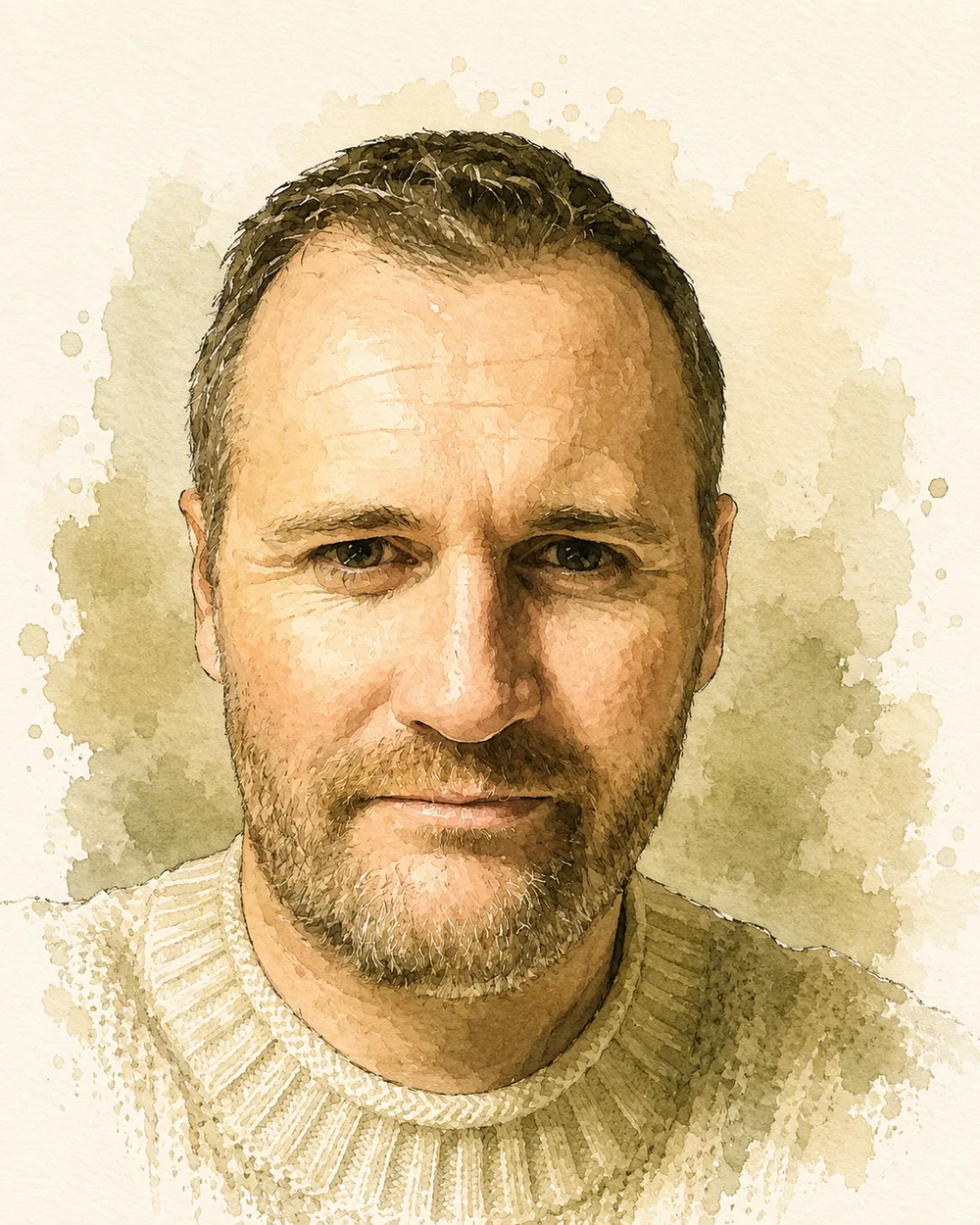
Watercolour portrait of Mark, specialist dyslexia assessor

About your assessor

Mark

Every Defining Dyslexia assessment is carried out by Mark, a PATOSS-registered specialist assessor with fifteen years of experience supporting children, young people and adults with dyslexia and other learning differences. Mark holds an Assessment Practising Certificate (APC) and works to the standards set by SASC.

He is also a qualified teacher and former SENCo, bringing a practical understanding of how assessment findings can be used in education, the workplace and everyday life.

Learn more about your assessor

Ready to take the next step?

Tell us a little about the situation and we will respond within one working day. No pressure, no jargon, just a calm first conversation.

Start an enquiry