Dyslexia, ADHD and Executive Functioning: Understanding the Differences
Dyslexia, ADHD and executive functioning are related questions, not interchangeable labels. Understand overlap without turning everyday difficulties into diagnoses.
By Mark, specialist dyslexia assessor

Forgetting instructions, losing track of a task or struggling to start can lead to several questions at once: is this dyslexia, ADHD or an executive-functioning difficulty? Those terms do not mean the same thing. Similar everyday experiences can have different explanations, and more than one difficulty may be present.
Three different questions
Dyslexia is a specific learning difficulty involving persistent difficulties with aspects of word reading and spelling. Its impact and associated strengths or difficulties vary. It is not a measure of intelligence, and it is not another name for poor attention.
ADHD is a neurodevelopmental condition involving a persistent pattern of inattention and/or hyperactivity and impulsivity that affects functioning. Presentation varies. An ADHD assessment considers the wider history and impact across settings, rather than using one difficulty such as procrastination to decide.
Executive functioning describes processes used to manage purposeful activity, such as holding information in mind, pausing responses, planning and switching approach. Difficulties with these processes are not a standalone diagnosis and do not identify either dyslexia or ADHD.
Overlap does not make them interchangeable
A person can have dyslexia and ADHD, either one without the other, or executive difficulties without either diagnosis. Not everyone with dyslexia has executive-functioning difficulties. Equally, a person with ADHD does not necessarily have the reading and spelling profile associated with dyslexia.
Tasks combine demands. Someone may lose their place because reading is effortful, because attention shifted, because they were interrupted, or for several reasons. The observable result alone does not identify the cause. This is why a checklist of everyday behaviours cannot replace an appropriate assessment.
Look at the task, history and conditions
Consider an unfinished assignment as an illustration, not a diagnostic example. Was the reading difficult to work through? Was the brief unclear? Was there trouble beginning, maintaining attention or keeping the steps in mind? Was the workload unrealistic? Asking these questions identifies useful support; it does not establish a condition.
- Notice what is consistently difficult and what changes with the setting.
- Separate reading and spelling demands from organising, remembering and starting demands where possible.
- Consider the person’s history, existing support and what makes the task easier.
- Include the person’s own account rather than relying only on what others observe.
- Avoid interpreting one strength as proof that another difficulty cannot exist.
Consider an unfinished assignment as an illustration, not a diagnostic example.
Helpful support can begin while questions remain open
Clear steps, accessible written instructions, predictable routines and manageable task sizes can be useful without deciding on a label first. Select support for the barrier. Reading software will not automatically clarify an ambiguous assignment, and a planner will not automatically reduce effortful spelling.
For children, discuss specific observations with the teacher or SENCo. Schools can put support in place without a formal diagnosis. For adults and students, discuss practical changes with the relevant workplace or learning-support team. Any formal entitlement to adjustments or funding depends on the applicable criteria and decision-maker.
Know what an assessment can and cannot answer
A dyslexia diagnostic assessment explores dyslexia using relevant history, observations and interpreted assessment evidence. It does not formally diagnose ADHD, autism or DCD. Defining Dyslexia may recognise a wider pattern and signpost further advice, but this is not a diagnosis of those conditions.
The existing guide to dyslexia alongside ADHD or dyspraxia in adults explains assessment boundaries further. If ADHD is your main concern, the NHS adult ADHD guidance explains discussing it with a GP and referral to an appropriate specialist. Our ADHD and autism assessment pathways page provides signposting rather than an in-house diagnostic service.
Where the unresolved question is persistent literacy difficulty, read about child dyslexia assessments or adult dyslexia assessments. If an existing report already answers that question, check whether new evidence is actually needed before paying for another assessment.
Do not explain away a new difficulty
Dyslexia and ADHD are developmental, so new or worsening difficulties should not simply be attributed to either. Seek appropriate health advice if there is a significant change from the person’s usual functioning.
Verified information and further reading
The NHS guide to dyslexia in adults outlines learning difficulties and support; the NHS ADHD guide describes symptoms and assessment. The Harvard executive-function guide explains the processes. None of these turns everyday signs into a self-diagnosis.
Explore the executive functioning series
- Part 1: What Is Executive Functioning and Why Does It Matter?
- Part 2: My Child Knows What to Do but Cannot Get Started
- Part 3: Why Do I Leave Everything Until the Last Minute?
- Part 4: Organisation Difficulties: When Being Told to Try Harder Does Not Help
- Part 5: Executive Functioning at Work: Why Everyday Tasks Can Feel So Difficult
- Part 6: Dyslexia, ADHD and Executive Functioning: Understanding the Differences — this guide
Frequently asked questions
Can someone have both dyslexia and ADHD?
Yes. They can co-occur, but one does not establish the other. Each question needs appropriate consideration and assessment where indicated.
Do executive-functioning difficulties prove ADHD?
No. Many factors can affect starting, planning, remembering and attention. ADHD assessment considers a broader developmental history and impact across life.
Does Defining Dyslexia formally diagnose ADHD?
No. Defining Dyslexia provides dyslexia diagnostic assessment and may signpost other concerns. Exploring or recognising traits is not a formal ADHD, autism or DCD diagnosis.
About Defining Dyslexia and the author
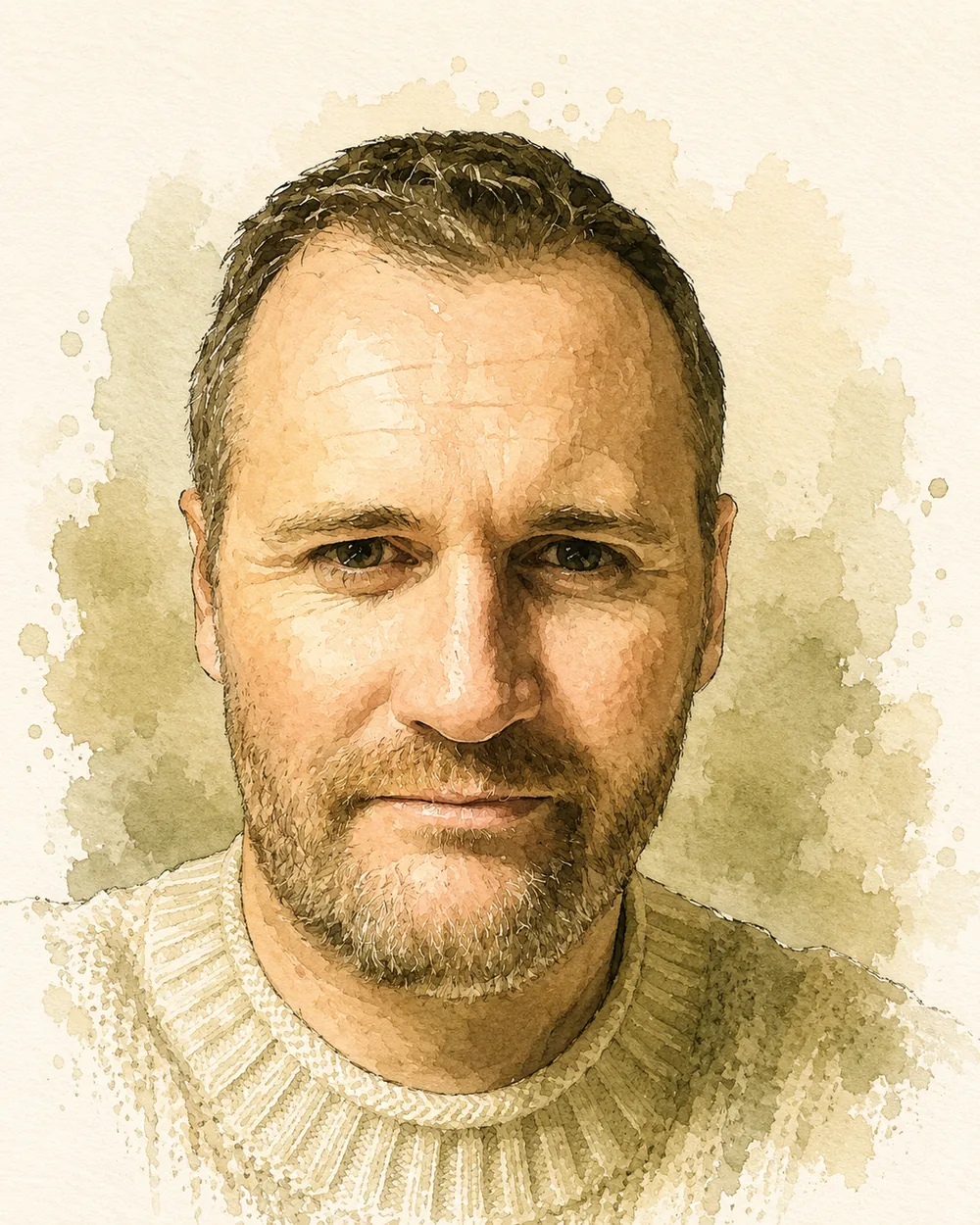
About the author
Mark
Specialist dyslexia assessor and founder of Defining Dyslexia
Mark is a qualified teacher and specialist assessor who has worked across mainstream and SEND education, including as a SENCo. He holds an Assessment Practising Certificate and is a member of PATOSS, and he carries out every Defining Dyslexia assessment personally, from the first conversation through to talking the report through with you.
- PATOSS member
- Assessment Practising Certificate
- PGCE
- NASENCo
- CPT3A
- PgDip SpLD
About Defining Dyslexia
Diagnostic dyslexia assessments for children, adults and students
Defining Dyslexia provides full diagnostic SpLD assessments for children, adults and university and college students. Face-to-face assessments are available across our local service areas in South Yorkshire, Chesterfield and surrounding Derbyshire, Wakefield, Peterborough, Stamford, Rutland, Grantham and South Lincolnshire, with remote assessment available UK-wide. Every assessment includes time to talk through the findings together, so you leave with a clear understanding of the results rather than a document to decipher alone.
If you have questions, or you are wondering whether an assessment might be the right next step, a free 15-minute telephone call is available with no obligation.