Why Does Dyslexia Seem More Common Now? Are We Recognising More People, or Is It Being Overdiagnosed?
More people are being identified as dyslexic, particularly adults. That does not necessarily mean dyslexia itself is increasing. A balanced look at awareness, definitions, overdiagnosis concerns and why careful assessment matters.
By Mark, specialist dyslexia assessor

It is a question I hear from parents, teachers and adults alike. When they were at school, hardly anyone was described as dyslexic. Now it seems to come up in every class, every staffroom and plenty of workplaces. So is dyslexia becoming more common, or are we simply noticing it more? And is there a risk that it is being diagnosed too readily?
These are fair questions. They deserve a calm answer rather than a defensive one, and the honest answer is that several things are happening at once.
Greater awareness and earlier questions
Dyslexia has been described for well over a century, but public understanding has grown enormously in the last few decades. Teachers receive more training on literacy difficulties, parents can read about indicators online, and well-known people talk openly about being dyslexic.
When more people know what to look for, more people ask. That alone would increase the number of identifications without any change in how many people are actually dyslexic. In England, government special educational needs statistics show specific learning difficulty recorded as a primary need for a large number of pupils, but those figures reflect what schools record and support, not a population-wide diagnostic count.
Many adults are being identified for the first time
A noticeable part of the increase is adults. People who left school in the 1970s, 1980s or 1990s often did so without anyone exploring why reading or writing felt so effortful. Some are now prompted by a child's assessment, a university course, a workplace change or professional exams.
These adults were not newly dyslexic when they were assessed. They were recognised later. If this sounds familiar, our guide on reaching adulthood without knowing you are dyslexic explores that experience in more depth.
Why prevalence estimates vary so much
You may see very different figures quoted for how many people are dyslexic. Estimates range from a few per cent to around one in ten or more. That variation is not a sign that anyone is being careless. It reflects a basic point: dyslexia is best understood as a continuum rather than a clear-cut category, so the number depends on where the line is drawn.
- Studies use different definitions of dyslexia.
- They use different tests and different cut-off points for what counts as a significant difficulty.
- Some count only severe, persistent difficulties; others include milder profiles.
- Language matters too. English spelling is less consistent than many languages, which can make difficulties more visible.
Older approaches often required a large gap between a person's IQ and their reading. That model has largely fallen out of favour, partly because it excluded people who clearly struggled. Changing definitions can change the numbers without the population changing at all. We explain the role of intelligence in Do Dyslexic People Have Higher IQs?.
Older approaches often required a large gap between a person's IQ and their reading.
Is dyslexia being overdiagnosed?
Some researchers and commentators have raised genuine concerns about how the label is used. They point out that the boundary between dyslexia and other reading difficulties is not sharp, that identification can depend on who is able to access or pay for assessment, and that a label should lead to better teaching rather than replace it. These are serious points made in good faith.
It is equally true that underidentification remains a real problem. Many children are still told they will catch up, many adults have never been assessed, and some groups are less likely to be referred at all. Both things can be true at the same time: some people may be identified on thin evidence, while others with significant difficulties are missed.
Rather than asking whether there is too much or too little dyslexia, a more useful question is whether each individual identification is well founded.
Screening is not diagnosis
One reason the picture can seem confused is that screening and diagnosis are sometimes treated as the same thing. A screener is a quick way of flagging possible risk. It cannot diagnose dyslexia, and it can both overestimate and underestimate difficulties. Our guides on why a screener does not always tell the whole story and what a specialist assessor notices that a screener cannot explain the difference.
Other explanations for literacy difficulties
Not every reading or spelling difficulty is dyslexia. A responsible assessment considers other factors, including:
- limited or interrupted teaching, including missed schooling
- learning English as an additional language
- uncorrected vision or hearing difficulties
- broader language difficulties, such as developmental language disorder
- attention difficulties, anxiety, low mood or significant life events
- general learning difficulties affecting a wider range of skills
Some of these can sit alongside dyslexia rather than replacing it. Dyslexia also commonly co-occurs with other profiles; see What is an SpLD? and Dyslexia and ADHD.
Some of these can sit alongside dyslexia rather than replacing it.
Why robust specialist assessment matters
If there are concerns about overidentification, the answer is better assessment, not avoiding assessment. A good diagnostic assessment brings together background history, the response to teaching so far, standardised testing of literacy and underlying skills, and careful observation. It considers alternative explanations and states clearly when the evidence does not support a diagnosis.
That last point matters. A conclusion that someone is not dyslexic, or that their profile is better explained in another way, is a valid and useful outcome. A report should help people understand what is happening and what to do next, whatever the conclusion.
A proportionate next step
If you are wondering about yourself or your child, you do not need to start with a full assessment. The free child and adult indicator checks can help you think through the wider pattern. If questions remain, you can read about dyslexia assessments or book a free 15-minute call to talk it through without obligation.
References and further reading
- Snowling, M. J., Hulme, C., & Nation, K. (2020). Defining and understanding dyslexia: past, present and future. Oxford Review of Education, 46(4).
- Carroll, J. M., Holden, C., Kirby, P., Thompson, P. A., & Snowling, M. J. (2025). Toward a consensus on dyslexia: findings from a Delphi study. Scientific Studies of Reading.
- Rose, J. (2009). Identifying and Teaching Children and Young People with Dyslexia and Literacy Difficulties. Department for Children, Schools and Families.
- Elliott, J. G., & Grigorenko, E. L. (2024). The Dyslexia Debate Revisited. Cambridge University Press.
- Department for Education. Special educational needs in England (annual statistics).
- British Dyslexia Association. What is dyslexia?
Frequently asked questions
Is dyslexia more common than it used to be?
More people are being identified, but there is no good evidence that the underlying rate has suddenly increased. Greater awareness, more adult assessment and changing definitions explain much of the apparent rise.
Is dyslexia overdiagnosed?
Some researchers have raised reasonable concerns about how consistently the label is applied, while others highlight that many people are still missed. The most useful safeguard is a careful assessment that considers history, teaching, testing and alternative explanations.
How many people are dyslexic?
Estimates vary from a few per cent to around one in ten or more. The figure depends on the definition and cut-off used, because dyslexia sits on a continuum rather than being a clear yes-or-no category.
Why are so many adults being diagnosed now?
Many adults went through school before dyslexia was widely understood. They are often prompted by a child's assessment, study or workplace demands. They were not newly dyslexic, just recognised later.
Can a screener tell me whether I am dyslexic?
No. A screener can flag possible risk, but it cannot diagnose dyslexia. A diagnostic assessment by a qualified specialist assessor is needed for that.
Can an assessment conclude that someone is not dyslexic?
Yes. A good assessment reports what the evidence shows. Sometimes difficulties are better explained by other factors, and that conclusion can be just as useful for planning support.
About Defining Dyslexia and the author
About the author
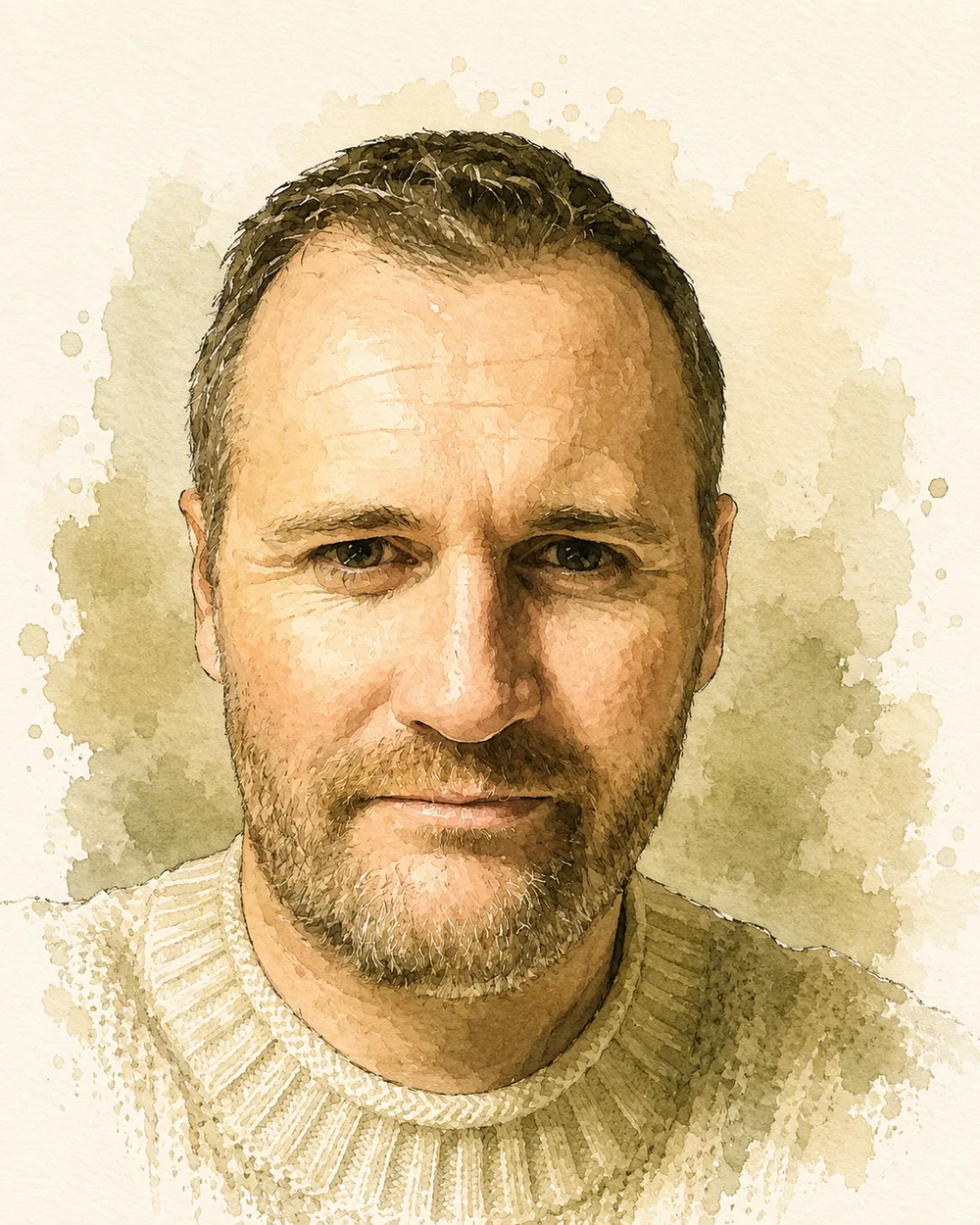
Mark
Specialist dyslexia assessor and founder of Defining Dyslexia
Mark is a qualified teacher and specialist assessor who has worked across mainstream and SEND education, including as a SENCo. He holds an Assessment Practising Certificate and is a member of PATOSS, and he carries out every Defining Dyslexia assessment personally, from the first conversation through to talking the report through with you.
- PATOSS member
- Assessment Practising Certificate
- PGCE
- NASENCo
- CPT3A
- PgDip SpLD
About Defining Dyslexia
Diagnostic dyslexia assessments for children, adults and students
Defining Dyslexia provides full diagnostic SpLD assessments for children, adults and university and college students. Face-to-face assessments are available across our local service areas in South Yorkshire, Chesterfield and surrounding Derbyshire, Wakefield, Peterborough, Stamford, Rutland, Grantham and South Lincolnshire, with remote assessment available UK-wide. Every assessment includes time to talk through the findings together, so you leave with a clear understanding of the results rather than a document to decipher alone.
If you have questions, or you are wondering whether an assessment might be the right next step, a free 15-minute telephone call is available with no obligation.