What If It Isn’t Just One Thing? Dyslexia, Neurodiversity and Looking at the Whole Child
Memory, processing time, writing, attention, change and anxiety can all be part of a wider learning profile — or have other explanations. Why it helps to look at the pattern, not one difficulty in isolation.
By Mark, specialist dyslexia assessor

Most parents first get in touch because of reading or spelling. But as we talk, a much broader picture often comes out:
- “They know the answer, but it takes them ages to respond.”
- “They could do this yesterday. Today it’s as though they’ve never seen it before.”
- “They can explain exactly what they mean, but they can’t get it onto paper.”
- “They can concentrate on Minecraft for hours, but homework lasts ten minutes.”
- “They become overwhelmed by the smallest change.”
- “They’re getting increasingly anxious about school.”
- “They seem bright and capable, but learning takes so much effort.”
Each of these can have many explanations. None of them, on its own, means a child is dyslexic or neurodivergent. But when several appear together and keep appearing, it is worth stepping back and looking at the whole child.
Dyslexia is not just about reading and spelling
Dyslexia mainly affects accurate and fluent reading and spelling. It is often accompanied by differences in phonological processing, working memory and processing speed. Those underlying differences can show up well beyond the page: in following spoken instructions, remembering sequences, organising thoughts or keeping up in fast-moving lessons. Our guide to what an SpLD is explains how dyslexia sits alongside related difficulties.
“But they know it…” — why learning can seem inconsistent
Learning something involves getting it in (encoding), keeping it, and getting it back out (retrieval). A child can have learned something securely and still struggle to find it on a tired Tuesday. Why a child can know something one day and forget it the next looks at this in detail.
Working memory — holding information in mind while using it — also matters. A long spoken instruction can overflow it, so a child remembers the first step and loses the rest. That is often mistaken for not listening. Strong memory for favourite topics is common too, and it is not a sign of choosing what to remember: see why a child can remember Minecraft, football or dinosaurs but forget schoolwork.
Knowing the answer and producing it are different things
Writing asks a child to generate ideas, hold them in mind, find words, spell them, form letters, punctuate and organise — all at once. If spelling or handwriting takes real effort, there is less capacity left for ideas. That is why a child can explain something brilliantly and then produce two short sentences. Why a child can explain the answer but struggle to write it explores this gap.
“Why are they taking so long?”
Processing and retrieval speed describe how quickly a child can take in, handle and respond to information. They are not the same as ability or understanding. Many children with slower processing reason very well when given time. Why a child knows the answer but takes so long to respond has practical ideas for home and school.
Attention isn’t simply “can concentrate” or “can’t concentrate”
Attention changes with interest, motivation, how demanding the task is, cognitive load, background noise and other sensory distraction, and tiredness. Games give instant feedback and quick wins with little reading; difficult written work gives few of either. So a child who focuses for hours on one thing and minutes on another is not necessarily choosing. See they can focus on Minecraft for hours, so why not schoolwork? and, where attention is a wider concern, dyslexia and ADHD.
Sometimes the emotional signs appear first
Frustration, avoidance, anxiety about school, perfectionism or low confidence are sometimes what parents notice before anything else. These can have many causes, and they are not automatically caused by dyslexia. But when learning takes much more effort than it seems to for others, it is understandable for a child to feel worn down or to avoid tasks that feel risky.
Reactions that look like refusal are often overload — see is my child just being difficult?. Difficulty with changes of plan can be part of the same picture: why a child gets stuck when something changes. And dyslexia and self-esteem looks at protecting confidence.
Reactions that look like refusal are often overload — see is my child just being difficult?.
Where wider neurodiversity fits
Dyslexia can occur on its own. It can also occur alongside ADHD, autism, developmental coordination disorder (DCD, sometimes called dyspraxia) or speech, language and communication needs. These conditions can share features — difficulties with attention, processing speed, working memory, organisation or coping with change — but they are different, and one should not be assumed from another.
Look at the pattern, not one difficulty in isolation
A few questions can help you see the pattern:
- Persistence — has this continued over months or years, or is it a recent phase?
- Settings — does it happen at home and school, or mainly in one place?
- Impact — how much is it affecting learning, confidence, friendships or family life?
- Strengths — where does your child shine? Strengths are part of the profile too.
- Response to support — what has been tried, for how long, and what changed?
Assessment should look at the person, not just a test score
A good diagnostic assessment brings together developmental and educational history, the child’s own experience, cognitive and processing measures, reading, spelling and writing, observation during the assessment, and information from home and school. It considers strengths as well as difficulties. Scores matter, but they are interpreted within that wider picture — see what dyslexia assessment scores actually mean and what a cognitive assessment tells us.
The right support can make a real difference
You do not need a diagnosis to start helping. Shorter instructions, written reminders, extra thinking time, reduced copying, alternatives to handwriting, predictable routines and calm conversations can all help now. Helping your child with dyslexia at home and homework strategies that actually help are good places to start, and our free guides and resources include practical tools.
What if you recognise several of these things?
- Jot down what you notice, when, and in which situations.
- Talk to your child about what feels hard and what helps.
- Speak to the class teacher or SENCo to see whether school notices the same pattern.
- Think about what support has already been tried and how your child responded.
- Consider specialist advice or assessment where difficulties persist despite good support.
Our free child dyslexia indicator can help you organise your observations — it is not a diagnosis. You can also read about child dyslexia assessments at your own pace.
Sometimes it isn’t just one thing. Sometimes the important part is understanding how all the pieces fit together. Every child learns differently.
Frequently asked questions
Can memory, attention and anxiety be signs of dyslexia?
They can sometimes form part of a wider dyslexic or neurodivergent profile, but none of them diagnoses dyslexia on its own, and each can have other explanations. Dyslexia mainly concerns reading and spelling and related processing.
Can a child have dyslexia and ADHD or autism?
Yes. Dyslexia can occur alone or alongside ADHD, autism, DCD/dyspraxia or speech and language needs. These are different conditions with some overlapping features, and each needs its own appropriate assessment.
Why does looking at the whole pattern matter?
A single difficulty rarely tells you much. Looking at persistence, settings, impact, strengths and response to support gives a far clearer picture of what may be going on and what might help.
Do we need a diagnosis before support can start?
No. Many practical adjustments at home and school can begin straight away. An assessment can help explain the profile and target support, but it is not a prerequisite for helping.
Does a dyslexia assessment diagnose ADHD or autism?
No. A specialist dyslexia assessment can note where features suggest further exploration, but ADHD and autism are identified through separate specialist pathways.
About Defining Dyslexia and the author
About the author
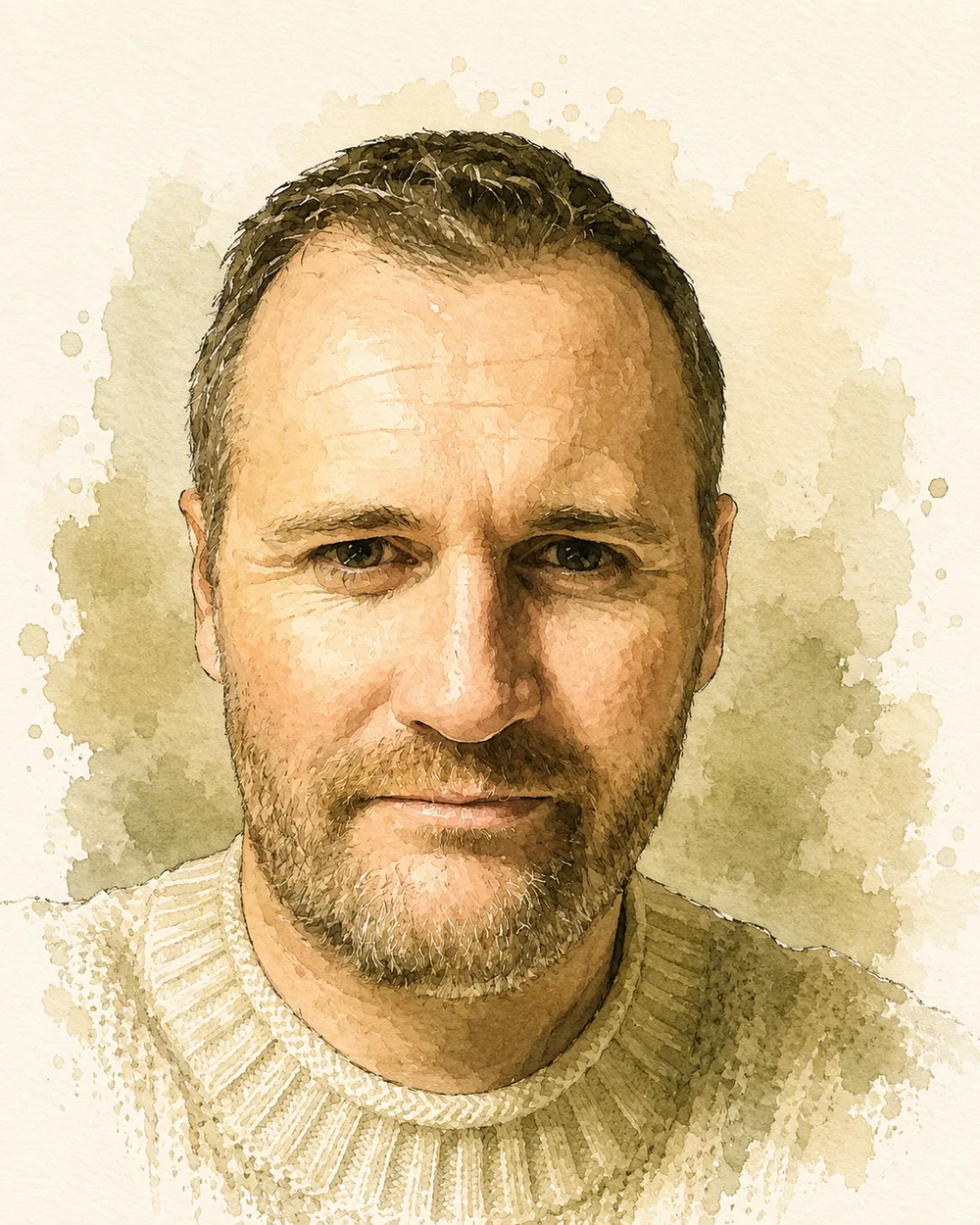
Mark
Specialist dyslexia assessor and founder of Defining Dyslexia
Mark is a qualified teacher and specialist assessor who has worked across mainstream and SEND education, including as a SENCo. He holds an Assessment Practising Certificate and is a member of PATOSS, and he carries out every Defining Dyslexia assessment personally, from the first conversation through to talking the report through with you.
- PATOSS member
- Assessment Practising Certificate
- PGCE
- NASENCo
- CPT3A
- PgDip SpLD
About Defining Dyslexia
Diagnostic dyslexia assessments for children, adults and students
Defining Dyslexia provides full diagnostic SpLD assessments for children, adults and university and college students. Face-to-face assessments are available in Sheffield and South Yorkshire, Peterborough and Cambridgeshire, and Stamford and Rutland, with remote assessments available UK-wide. Every assessment includes time to talk through the findings together, so you leave with a clear understanding of the results rather than a document to decipher alone.
If you have questions, or you are wondering whether an assessment might be the right next step, a free 15-minute telephone call is available with no obligation.