

Skip to content
Defining Dyslexia

For adults

Adults and dyslexia: it's never too late to get answers

Many adults living with dyslexia have spent years wondering why certain things feel harder than they should. Reading takes longer. Writing is exhausting. Spelling never seems to stick. And despite being capable, intelligent people, there is a persistent sense of having to work twice as hard just to keep up. If any of that sounds familiar, you are not alone, and you are not too late.

Face-to-face across South Yorkshire and Cambridgeshire · Remote UK-wide

Illustration of two adults sitting together discussing assessment findings and next steps
Clear answers, practical next steps
Adults of any age
Typically 2–3 hours
£495 full assessment

Start with what you know

You didn't miss the window

Dyslexia is not a childhood condition. It is lifelong, and that means it can be identified and supported at any age. Many adults reach their thirties, forties, fifties and beyond before anyone joins the dots.

Some were told at school they were lazy or not trying hard enough. Others simply slipped through without anyone noticing. Many developed such effective coping strategies that their difficulties were masked entirely, until the pressure of work, university, or daily life made those strategies harder to sustain.

A formal assessment as an adult doesn't change your past. But it can change how you understand yourself, and what becomes possible next.

Patterns worth exploring

What might dyslexia look like in adults?

  • Taking significantly longer to read than peers
  • Spelling inconsistently, even common words
  • Struggling to organise written work or express thoughts clearly in writing
  • Difficulty following multi-step instructions or remembering sequences
  • Finding it hard to take notes whilst listening
  • Avoiding tasks that involve reading or writing where possible
  • A strong verbal ability that doesn't translate into written work
  • A sense of having to work much harder than others for the same results

Not sure whether assessment is the right next step?

Explore the patterns first with our free indicator check.

Take the free adult indicator check

The wider profile

Dyslexia rarely travels alone

Many adults arrive wondering about dyslexia and leave understanding more of the picture, attention, organisation and coordination often come into the conversation. Where it is relevant, the assessment looks at the whole cognitive profile rather than reading and spelling in isolation, and the report can note traits associated with ADHD or dyspraxia (Developmental Coordination Disorder) where the evidence points that way.

To be clear about what this is, and is not

  • A dyslexia assessment can identify dyslexia, and can describe traits associated with ADHD or dyspraxia where they appear significant.
  • It is not a formal diagnosis of ADHD, autism or dyspraxia/DCD. Defining Dyslexia does not provide those diagnoses, and no additional service or fee is involved.
  • Where a different professional is the right next step, that can be explained and appropriate onward referral discussed.

Educational ADHD traits screening describes how traits present in learning; it is not a medical diagnosis. Download our free quick guide: A Quick Guide to ADHD (PDF)

Notes about attention and concentration are observations rather than diagnoses. Defining Dyslexia can assess dyslexia and wider specific learning difficulties. Download our free quick guide: A Quick Guide to Attention and Concentration (PDF)

The assessment

What does an adult dyslexia assessment involve?

People often search for an “adult dyslexia test” when they first start looking for answers. A full diagnostic assessment is more comprehensive than an online test. An assessment with Defining Dyslexia is a thorough, professional, and entirely non-judgmental process. It looks at your cognitive profile alongside standardised literacy testing. Together, these build a detailed picture of your individual learning profile, including areas of strength and difficulty.

The assessment typically takes around two to three hours and is followed by a comprehensive written report. That report includes a clear profile of your strengths and difficulties, a formal identification where the evidence supports it, and practical recommendations tailored specifically to you.

The assessment considers

  • Phonological processing
  • Working memory and processing speed
  • Reasoning
  • Reading, spelling and writing

A full assessment considers several areas together.

Literacy: reading accuracy, reading fluency, reading comprehension, single-word reading and spelling.

Cognitive processing: phonological awareness, phonological memory, rapid naming, working memory and processing speed.

Writing: writing speed, legibility, structure and organisation, and composition and vocabulary.

Where appropriate, additional areas may also be explored, and recommendations for further professional input will be made when needed. The aim is to understand the complete pattern of strengths and difficulties.

Pages from a Defining Dyslexia assessment report

What you receive

What can an assessment unlock for adults?

A formal dyslexia report carries real weight, and opens real doors.

  • In the workplace, where dyslexia meets the Equality Act 2010 definition of disability, an employer has a duty to consider reasonable adjustments. Access to Work may also be able to fund practical support such as assistive technology or coaching. What is agreed is decided by the employer and by Access to Work, not by the assessor.
  • At university, funding bodies and institutions set their own evidence requirements, and a diagnostic report is usually the evidence they ask for when considering Disabled Students' Allowance and reasonable adjustments. Eligibility decisions rest with the funding body and your university.
  • In daily life, a diagnosis gives you a framework for understanding yourself. Many adults describe the experience of finally having an answer as genuinely life-changing because it explains what previously made no sense.
See what is inside a report

Understanding dyslexia a little better

Two of the questions asked most often before an assessment, answered in plain English.

After the assessment

Continued support when you need it

Your support does not end when the report is sent. Mark will explain the findings and remain available for reasonable follow-up questions. Where appropriate and subject to availability, he can also provide specialist study-skills support informed directly by your assessment profile.

Feedback and reasonable questions about the report are part of the assessment service. More substantial follow-up work and specialist study-skills support are separate services and may involve an additional fee, always discussed and agreed in advance.

Dyslexia rarely travels alone

Many adults who are assessed for dyslexia discover that their profile is more complex than they expected. Dyslexia can co-occur with other neurodevelopmental differences, including ADHD and dyspraxia (Developmental Coordination Disorder). Understanding whether these conditions are present alongside dyslexia can fundamentally change how you understand yourself and what support is most useful.
ADHD in adults

ADHD can present differently in adults and may not have been recognised earlier in life. Common experiences can include difficulties with focus and concentration, switching between tasks without completing them, impulsivity, emotional regulation and managing time.

Whilst Defining Dyslexia does not provide a formal ADHD diagnosis, a dyslexia assessment will consider the cognitive profile carefully. Where the evidence suggests ADHD traits are present and significantly affecting daily life, the report will reflect this and appropriate onward referral can be discussed.

Dyspraxia in adults

Dyspraxia affects motor coordination, spatial awareness, and the planning and sequencing of movement. For adults, this can show up as difficulties with driving, coordination in sport or everyday physical tasks, handwriting that remains effortful and unclear, and challenges with spatial organisation.

Whilst Defining Dyslexia does not provide a formal diagnosis of dyspraxia, the assessment can consider whether traits associated with dyspraxia may be part of the wider picture. Where these appear significant, this can be reflected in the report and appropriate next steps discussed.

Why does the full picture matter?

Understanding the wider picture can help ensure that recommendations reflect the individual's needs rather than focusing on one area in isolation. Where dyslexia occurs alongside traits associated with ADHD or dyspraxia, considering these together can provide a more useful understanding of someone's overall profile.

Looking at support at work?

A diagnostic assessment answers whether dyslexia is present. A workplace needs assessment is a separate piece of work that looks at a particular job, its demands and the working environment, and identifies practical adjustments for discussion with an employer.

Workplace needs assessments

Questions adults ask

Frequently asked questions about adult assessments

01How much does an adult dyslexia assessment cost?

A full diagnostic assessment is £495, including the appointment, scoring and analysis, the full written report and feedback afterwards. There are no separate report or travel charges within the areas covered.

02Can I be assessed for dyslexia on the NHS?

Diagnostic dyslexia assessment for adults is not generally available through the NHS, as dyslexia is an educational rather than a medical assessment. Most adults arrange an assessment privately, through their employer, or through a university where they are studying.

03Can I use Right to Choose for a dyslexia assessment?

Right to Choose applies to certain NHS mental health pathways, such as ADHD and autism assessment referrals. It does not cover dyslexia or other specific learning difficulties, because these are not assessed within NHS services.

04Is it worth being assessed as an adult?

Many adults describe the report itself as the least important part. What changes things is finally understanding why certain tasks have always felt harder. Practically, the report can also support reasonable adjustments at work, applications to Access to Work, study support and professional examinations.

05Do I need my old school records?

No. Background information is helpful where it exists, but you do not need childhood school records to enquire or to proceed. We can work with the information available and help identify anything else that may be useful.

06Do I need a referral from my GP?

No. You can arrange an assessment directly, and you do not need a referral from anyone.

Whatever the outcome

A clearer picture and a practical way forward

Not every assessment results in a diagnosis of dyslexia. The purpose of an assessment is to understand your individual profile, rather than to reach a predetermined outcome.

If the evidence does not support dyslexia, I will explain what the results do show. Your report will still identify your strengths and areas of difficulty, with practical recommendations based on your individual profile.

You will not simply be left wondering what to do next. My background across education, SEND and specialist assessment means I can help you understand what the findings may mean in everyday life, education or the workplace.

Whatever the outcome, the aim is the same: clearer answers, a better understanding of yourself and a practical way forward.

Transparent pricing

£495

A full diagnostic assessment with a comprehensive written report and practical recommendations. Venue fees or additional adult screening are discussed before anything is confirmed.

View full pricing

Where it happens

Assessment without the unnecessary travel

Fitting an assessment around work, family and everything else is often the hardest part. Within the face-to-face service areas Mark can travel to you, and remote assessment is available nationally where that is the more practical choice.

At home

Face-to-face assessment can take place at your own home where there is a quiet room free of interruptions.

  • No travel, no parking and no unfamiliar building
  • Easier to arrange around work and family commitments
  • Discreet. Nothing is discussed with anyone else

At work or a place of study

Where an employer, college or training provider is involved and can offer a suitable private room, that can be arranged.

  • Only where you want your employer or provider involved
  • Requires their agreement and a genuinely private space

Nothing is shared with an employer or provider without your consent, whatever the setting.

Another agreed setting

If somewhere else suits you better, ask. A quiet, private room away from interruptions is the only real requirement.

  • Discussed case by case rather than assumed
  • Depends on the room being genuinely quiet and private

If you would prefer an alternative arranged venue, please ask. Where an external venue has to be hired, an additional venue cost may apply, and it would always be agreed with you beforehand.

Remotely

A full diagnostic assessment delivered online, available anywhere in the UK and often the quickest option to arrange.

  • Same £495 fee and the same full written report
  • Split across shorter sessions where that suits better
  • Useful where travel, work or distance make a face-to-face date difficult

The £495 fee covers the assessment, the report and travel within the normal face-to-face service areas. There is no Defining Dyslexia clinic or assessment centre, the service travels instead. Where you specifically ask for an alternative arranged venue that has to be hired, an additional venue cost may apply and is always agreed with you before anything is booked. Full pricing.

Where does an adult assessment take place?

At your home, at a workplace or place of study where that is agreed and a private room is available, at another agreed setting, or remotely. Within the face-to-face service areas Mark travels to you; remote assessment is available across the UK.

Do I have to travel to Sheffield or Peterborough?

No. Those are the core face-to-face service areas rather than places you visit. There is no Defining Dyslexia office or assessment centre. Outside those areas, remote assessment gives you exactly the same assessment and report.

Can I come to you instead?

Alternative arrangements can be discussed. If you would prefer an arranged venue and one has to be hired, an additional venue cost may apply and would be agreed with you beforehand. Most people find home or remote simpler.

Before the assessment

We build the picture together

An assessment is not just a series of tests. It brings together what you notice, what education has seen and what the assessment day shows. A few things are genuinely useful to think about beforehand:

  • Tell us what already works
  • Why now?
  • What you remember about education
  • How it shows up now

You do not need any of this before getting in touch. We work with the information available and help you identify anything else that may be useful.

Areas we cover

Face-to-face or remote, UK-wide

Face-to-face assessments for adults are available across South Yorkshire and Cambridgeshire, covering a wide area across both. Remote assessments are available for adults anywhere in the UK.

South Yorkshire

Sheffield, Doncaster, Barnsley, Rotherham, Chesterfield and the Peaks.

See Sheffield assessments

Cambridgeshire & Rutland

Peterborough, Stamford, Rutland and surrounding areas.

See Peterborough assessments

Anywhere in the UK

Remote assessments are available for children, adults and students across the UK.

Explore remote assessments

Local information

Looking for local SEND support?

Most local SEND services are aimed at children and young people up to 25, so they are less relevant for adults. If you are supporting a child as well as looking into your own dyslexia, or you are a young adult in education, your council's Local Offer is still a useful free source of information.

Local Offer links by area

Official Local Offer and SEND advice links for each area we work in, alongside the assessment page for that area. Defining Dyslexia is an independent service and is not part of, or endorsed by, any local authority.

Local dyslexia & SEND information

Evidence and adjustments

What is the evidence actually for?

Different organisations ask for different things, and an existing report is often enough. These pages explain who decides and what is usually required, including benefits, where a dyslexia report is only ever part of the picture.

Evidence and adjustments

Exams, university and DSA, driving theory tests, professional qualifications, apprenticeships and work.

Evidence hub

PIP and dyslexia

The everyday activities considered within a Personal Independence Payment application, and the other evidence that may be required alongside a dyslexia report.

Read the PIP guidance

Already have a report?

Check what it already contains before arranging anything new. Nobody should pay twice for evidence they already hold.

Do I need a new assessment?
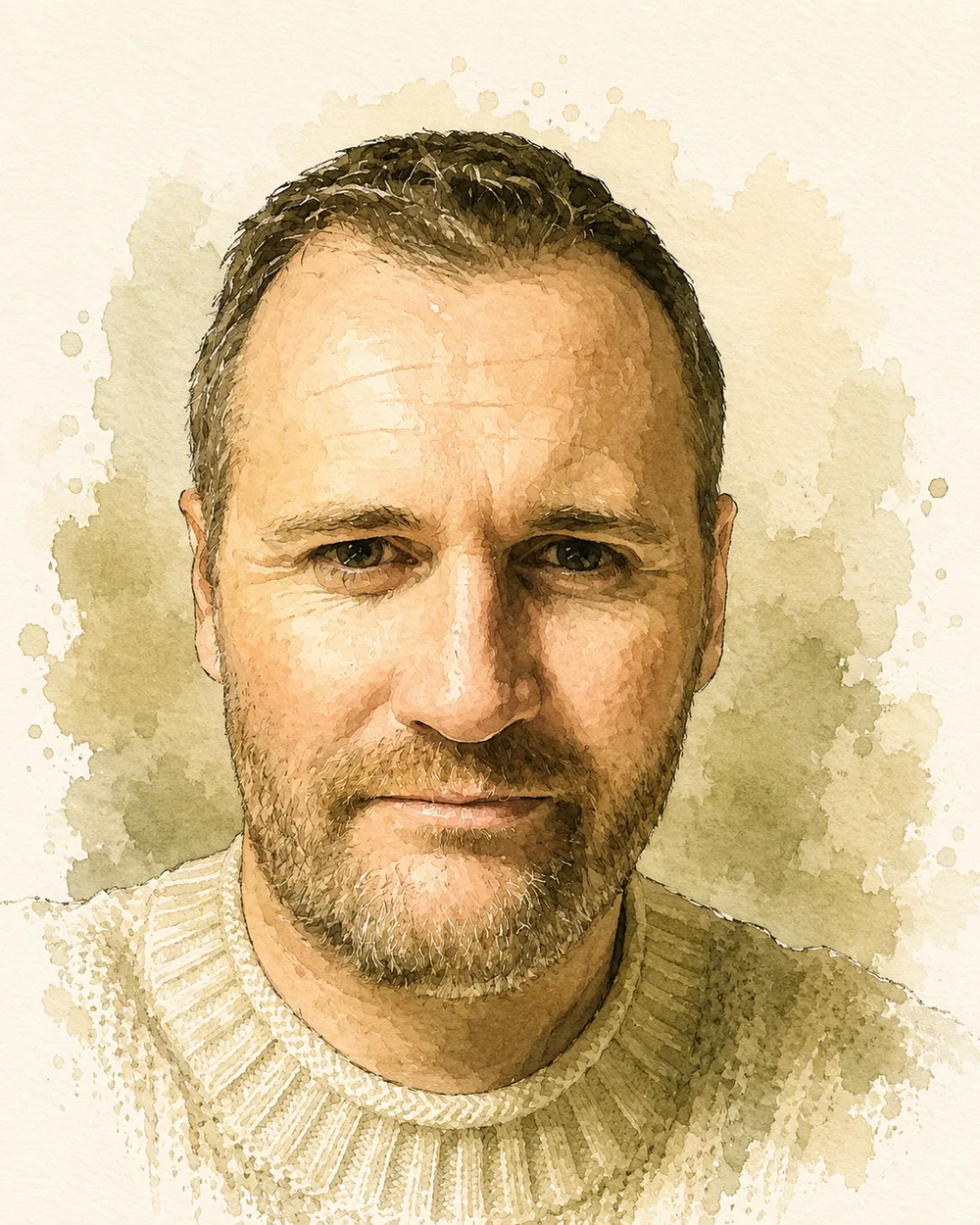
Watercolour portrait of Mark, specialist dyslexia assessor

About your assessor

Mark

Every Defining Dyslexia assessment is carried out by Mark, a PATOSS-registered specialist assessor with fifteen years of experience supporting children, young people and adults with dyslexia and other learning differences. Mark holds an Assessment Practising Certificate (APC) and works to the standards set by SASC.

He is also a qualified teacher and former SENCo, bringing a practical understanding of how assessment findings can be used in education, the workplace and everyday life.

Learn more about your assessor

Ready to take the next step?

Tell us a little about the situation and we will respond within one working day. No pressure, no jargon, just a calm first conversation.

Start an enquiry